
Lexington game makes NCAA fighting mad. Basketball dispute plays out in court.
March Madness, the annual tournament that crowns college basketball’s national champion, is just a couple of months away.
As fans wait to see which 68 teams will battle it out on the courts, a Lexington company and the National Collegiate Athletic Association are in court having a war of words over … words.
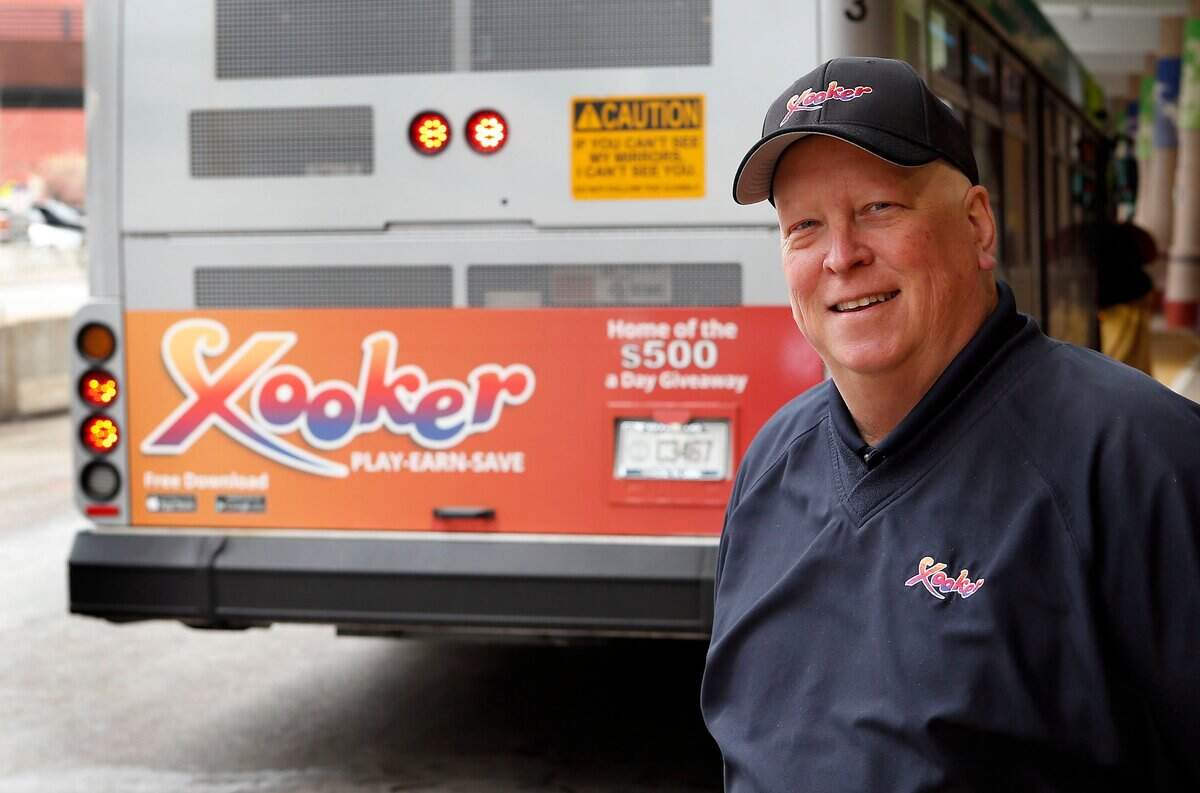
Last year Xooker, a mobile marketing company, sued the NCAA. The reason: The NCAA had objected to Xooker’s application to register “Basketball Madness” as a trademark for a cellphone game.
The NCAA countersued, saying the term “Basketball Madness” is too similar to “March Madness” — the registered phrase for the tournament — and poses unfair competition.
Xooker wants a federal judge to declare that there is no likelihood of confusion between “Basketball Madness” and “March Madness.”
The case demonstrates how aggressive the NCAA is in protecting its trademarks, which it sees as valuable assets worth millions.
In a financial statement for the fiscal year ending Aug. 31, 2017, the NCAA reported that $818 million — nearly 80 percent of its total revenues — came from broadcasting rights and marketing fees from the tournament.
(The report didn’t break out how much the NCAA earns in royalties from licensing fees alone. But trial testimony cited in a 2003 Texas ruling indicated that the NCAA received up to $4 million annually in royalties from NCAA licensees between 1988 and 1995. The earnings have presumably increased since then.)
The local dispute began in April 2017. That’s when Xooker filed an application with the government to register the mark “Basketball Madness” to identify its “downloadable electronic games via wireless devices.”
An examining attorney for the U.S. Patent and Trademark Office “found no conflicting marks that would bar registration” under federal law.
But on March 1, 2018, the NCAA sent a “cease and desist” letter to Xooker. The NCAA says Xooker’s “Basketball Madness” is “confusingly similar” to trademarks registered and used by the NCAA and is “therefore in violation of the NCAA’s rights.”
Furthermore, the NCAA says its authorized licensing partners expect to be the sole users of NCAA-related marks for their products. The NCAA has registered “March Madness” for a variety of goods, including cups, mugs, trading cards, T shirts, sweatpants and jackets.
The NCAA said through a spokesman that it had no comment on the litigation with Xooker. Conrad Carney, founder and chief executive officer of Xooker, did not return a telephone message seeking comment but his attorney, Richard Getty, said, “We absolutely, firmly believe that there is no infringement whatsoever.”
The NCAA has used “March Madness” in connection with a downloadable mobile phone app called “March Madness Live!” In 2017 alone, 98 million live streams of the March Madness tournament were viewed on the app, according to the NCAA.
Xooker’s “Basketball Madness” game can only be accessed through the Xooker app downloaded onto a user’s phone or other wireless device.
The goal of the game is to score as many baskets as possible. “Players can earn prizes and can earn discounts redeemable at stores and restaurants, but no real money is at stake, and this is not a game wherein players can compete against other real players,” Xooker says in court documents.
Xooker argues that the NCAA’s registration of its mark to identify computer game software was allowed to lapse in 2015. “They (the NCAA) had a similar registration and they abandoned it,” Getty said.
The NCAA denies that.
Furthermore, Xooker says, there are 300 active trademark registrations and applications on the federal register that use “Madness,” including “Arch Madness” owned by the Missouri Valley Conference. That mark is “far more similar” to “March Madness” but was registered without successful interference by the NCAA, Xooker says.
The first use of the term “March madness” in reference to a high school basketball tournament can be traced to Henry V. Porter, an official with the Illinois High School Association, the NCAA says in an online history. Porter wrote an article in 1939 called “March Madness” for the organization’s in-house magazine.
Later, CBS broadcaster Brent Musburger used the phrase to describe the 1982 NCAA tournament. The nickname stuck and has been used since.
In 1996, the Illinois High School Association sued to stop an NCAA corporate partner from distributing a CD-ROM game bearing the March Madness title. A judge sided with the NCAA, but to avoid more litigation, the two sides formed a joint holding company called the March Madness Athletic Association.
The Illinois High School Association controls the name on the high-school level, and the NCAA has a perpetual license to use the phrase with its collegiate tournament.
As its licensing program developed, the NCAA became more focused on enforcement of its rights against unauthorized users. The NCAA sends “cease and desist” letters to unauthorized users of “March Madness.”
Sometimes those cases wind up in federal court.
In March 2017, the NCAA opposed an attempt by a Las Vegas-based company called Kizzang LLC to register the marks “April Madness” and “Final 3.”
The NCAA sued Kizzang and alleged trademark infringement, trademark dilution and unfair competition.
The case ended in January 2018 when a judge ruled for the NCAA. As a result of the ruling, Kizzang was prohibited from using any of the contested trademarks and was required to recall all products, services and advertising bearing the marks.
Also in January 2018, the NCAA filed a trademark infringement complaint against the owner of some Southern California car dealerships over the use of the phrase “Markdown Madness” in car ads.
That case was settled in the summer of 2018 but the terms were not disclosed.
Attorneys for Xooker and the NCAA said in a recent court filing that they don’t believe mediation would enhance prospects for a settlement. Both sides have asked for a three-day bench trial in either May or June 2020.
This story was originally published January 25, 2019 at 1:05 PM.