Lexington emergency services needs to step up oversight of $1.2M in grants, audit finds
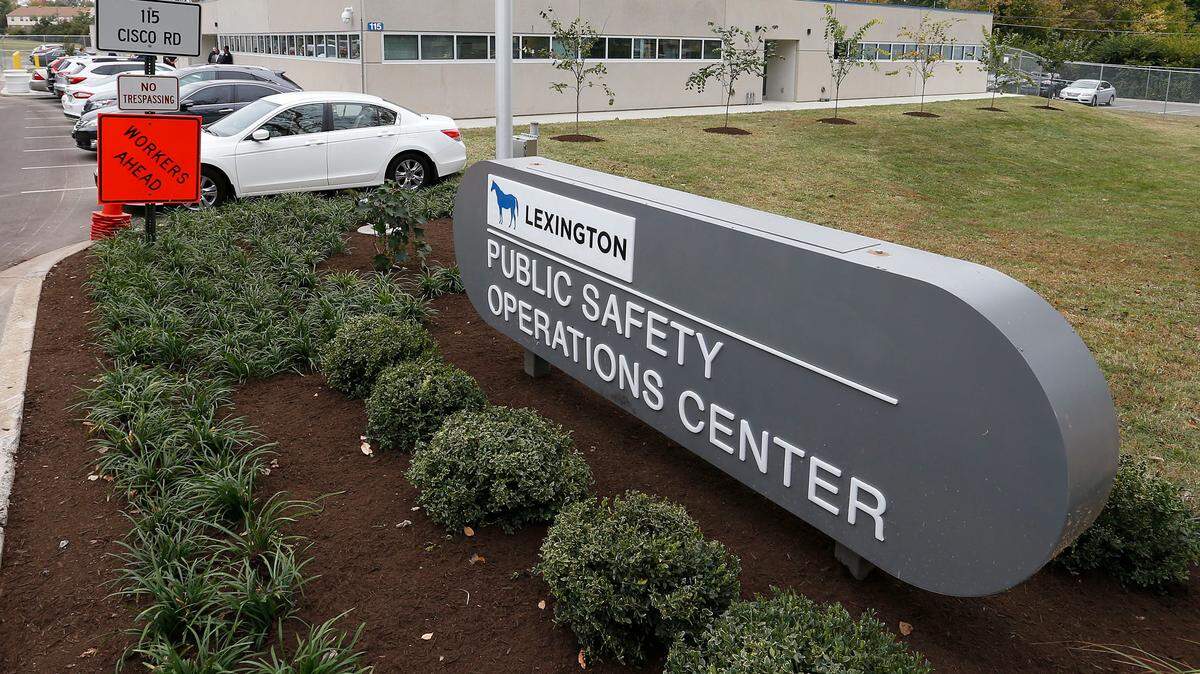
An audit of Lexington Emergency Management found the division responsible for keeping Lexington safe and prepared for emergencies needs to step up its management of more than $1.2 million in state and federal grants that helps pay for emergency operations.
The Aug. 10 audit by the city’s internal auditors found Lexington Emergency Management was often late turning in monthly reports to Kentucky Emergency Management and failed to follow up in a timely manner with questions from state officials on grant spending, creating delays in reimbursements from the state to the city.
Pat Dugger, executive director of the division of emergency management since 1988, said in the audit that not all of the delays were caused by emergency management. Some of the problems originated in other city departments or at Kentucky Emergency Management, Dugger wrote.
Dugger was suspended for 160 hours in 2020 after city officials said staff time in emergency management was charged to the wrong grant. City officials also said Dugger misled city officials on whether she had received prior approval to charge different grants for employee time and talked about the investigation after being told not to do so.
Lexington Emergency Management receives two grants from the state: A little more than $1 million from the Chemical Stockpile Emergency Preparedness Program grant, associated with chemical weapons stored at the Blue Grass Army Depot in Richmond, each year. That money helps the city prepare if there is a chemical weapons leak. It receives a little more than $200,000 from the Emergency Management Assistance grant, which helps communities prepare for emergencies.
Monthly reimbursement reports are submitted to Kentucky Emergency Managements for the two grants.
In April 2021, the responsibility for sending those reimbursement reports was moved to the city’s Division of Grants and Special Programs, which manages all federal and state grants for the city.
What problems did the audit find?
The audit found several problems that delayed reimbursement of those two grants:
- The Emergency Management Assistance grant requires local governments to submit reimbursement documents by the 15th day after the last day of the month. Auditors tested 26 monthly reimbursement reports and found none were submitted by the 15h day of the month. One was 131 days late. On average, the monthly reports were 32 days late, auditors found.
- The Chemical Stockpile Emergency Preparedness Program reimbursements do not have a specific date for reimbursements but those reports were also delayed. Auditors pulled 47 reimbursement reports and found none were submitted by the 15th day of the following month. Twelve of the 47 reimbursement reports were submitted to state officials at least 60 days after the 15th day of the following month, with two being submitted 173 days after the 15th day of the following month.
In her response, Dugger said delays in the reimbursements were also caused by delays in getting other city departments to sign off on the reimbursement documents. Dugger suggested the city set specific dates for each department to OK the documents.
The audit also found city emergency management officials failed to resolve questions from state emergency management officials who had questions about those reimbursements. The state then put “stop payments” on pending reimbursement claims.
Some of the issues with reimbursement include:
- In April 2021, when grants and special programs took over management of the grants, there were more than $439,110.51 in reimbursements from the CSEPP program in limbo at the state. The city has since received $434,000 in those back or stopped payments, grant officials told auditors.
- More than $21,000 in stop payments were still in limbo for EMA grants in April 2021, grants and special programs staff said. The city has received $372. The remaining EMA reimbursements are in process of being paid to the city, grants staff said.
Dugger said at the time there were only two claims specialists assigned to all 120 counties at the state emergency management. Any question about the documentation would stop the process. The lack of staffing and how state officials processed those reimbursement documents also caused delays, she wrote.
Dugger said emergency management typically responded within six days of getting questions from state officials.
Yet auditors noted the lag in getting back to state officials and getting those questions addressed stopped when grants and special programs took over managing the grants in April 2021.
“Once the Division of Grants & Special Programs assumed the duties of submitting the Monthly CSEPP and EMA Grant Reimbursement Reports to the state, the stop payment issues were resolved,” auditors wrote.
There are currently no reimbursement claims at the state that have been placed in “stop payment,” the audit said.
Commissioner of Public Safety Ken Armstrong, who oversees emergency management, said the division has been told on multiple occasions to respond promptly to questions from grants and special programs if there are questions regarding payment on those grants.
“DEM has been directed a number of times to provide all requested documents to grants as soon as possible to assist in the process,” Armstrong wrote. “Continued issues in this area may result in the reassignment of these job duties.”
Several other reports that were required by Kentucky Emergency Management officials, including quarterly reports, were filed late, which resulted in the state putting a “stop payment” on reimbursements in 2021, according to the auditors.
What’s next?
The city is changing the way the two emergency management grants are managed to make sure there are no delays in reimbursement and payments, including setting specific time frames on when each department must sign off on the documentation for reimbursement, according to the audit.
Susan Straub, a spokeswoman for the city, said those action steps will be reviewed in the future to ensure the grants and reimbursements are being managed properly.
“Once all the recommendations are fully implemented they will be reviewed and any possible future updates will be vetted for viability,” Straub said.
No action will be taken against Dugger, she said.
This story was originally published August 22, 2022 at 11:51 AM.