Lexington considers raising police pay. Again. Mayor warns it could mean tax hike, cuts
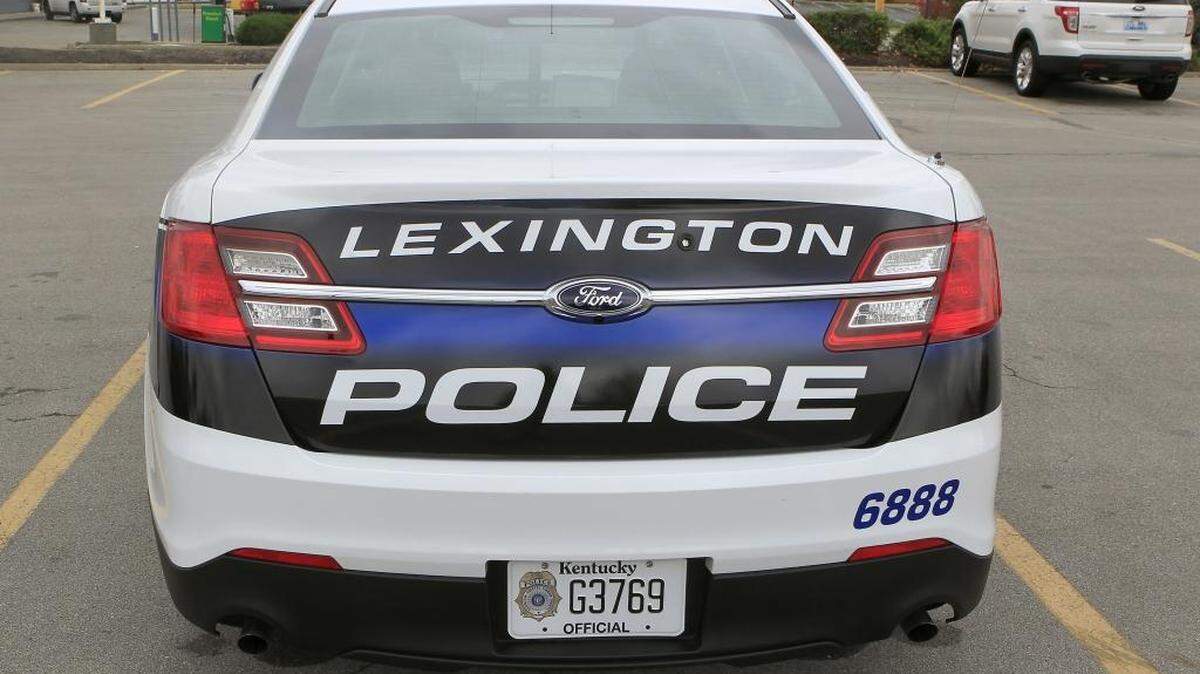
The Lexington council voted unanimously Tuesday to allow Mayor Linda Gorton’s administration to pursue a memorandum of understanding with the police union to possibly increase salaries to help address vacancies.
But Gorton cautioned during a Tuesday Lexington-Fayette Urban County Council work session that money to increase pay again would have to come from somewhere.
“In order to have the re-occurring money, we will have to raise revenue or cut the budget,” Gorton said.
The city and the Fraternal Order of Police Bluegrass Lodge 4 inked a collective bargaining agreement in October 2021 that upped starting salaries and included substantial increases in pay for current officers.
That contract expires in June 2025. It is estimated those pay increases will cost the city an additional $21.3 million over the life of the four-year contract.
In addition, officers and other public safety employees received one-time bonuses for working during the coronavirus pandemic. In late August, the council also approved a second $4,000 bonus for current police, detention center and E911 employees. The city used $5 million from a city savings account for those bonuses.
New employees or recruits will get a total of $3,000 spread over two different payments from the $5 million. Those payments will come at different times depending on the public safety department, city officials said.
According to Aug. 23 figures, the Lexington police department had an authorized strength of 639 officers and currently has 83 vacancies. There are 29 new hires currently in training.
Jeremy Russell, president of the FOP Bluegrass Lodge, said the FOP’s numbers show 115 vacancies.
“We hope all recruits studying the academy graduate, but none can perform law enforcement duties until they are sworn in. This will not happen for several months,” Russell said.
Russell said the Lexington Police Department is one of the best in the country and officer pay needs to reflect that.
“The FOP sought much higher pay and benefits for officers last year. We finally agreed to unfavorable compensation terms to end the delay and stop the bleeding of personnel,” Russell said. “We were experiencing a mass exodus of experienced police officers and our recruiting results were dim. Unfortunately, the city’s financial adjustments have not worked. The trend has not changed. The FOP is open to exploring any ideas LFUCG has for increasing our retention and recruitment.”
Councilman Richard Moloney said shootings, upticks in homicides and public safety are a top concern for the public. Moloney originally proposed the city open the collective bargaining contract to address pay and other retention issues.
Councilman Fred Brown suggested the council look at a memorandum of understanding — which acts like an addendum to the police contract — rather than open up the collective bargaining contract. Collective bargaining contracts can take months or years to negotiate. An addendum to the contract will be easier and quicker to negotiate.
Vice Mayor Steve Kay agreed and proposed the council amend Moloney’s motion to direct the administration to approach the union about addressing pay and other issues through a memorandum of understanding. That amendment passed unanimously.
Lexington Law Commissioner Susan Speckert said the city has addressed other issues through memorandums of understanding with the police and other unions in the past. Speckert said the city was still looking at whether it could address pay through a memorandum of understanding or if the entire contract had to be reopened.
Councilwoman Susan Lamb said the city typically has to employ lawyers outside of city government to negotiate collective bargaining agreements, which adds to the cost. Lamb pushed the council to address the pay issue through a memorandum of understanding.
“I’m also concerned about setting precedent,” Lamb said.
Gorton said after Lexington raised its starting pay other law enforcement agencies in Lexington “raised their salaries after we locked in,” she said.
Some officers have retired or left the department to take higher-paying jobs with other agencies.
The first-term mayor said the city has been able to augment pay to keep officers through one-time or surplus money.
If the city raises salaries across the board, the money will have to come from the general fund, the city’s main checking account. Those salaries will continue to have to paid in coming years, adding to the city’s expenses, Gorton said.
The city has negotiated contracts with its largest unions in the past several years. In addition to the main police contract, the city also inked a two-year contract with detention center employees. That contract will cost the city an additional $10 million in wages.
The city’s financial fortunes have been buoyed by one-time federal coronavirus relief funds. The city has used some of that one-time money over the past two years to fund programs and capital projects that would typically come from the general fund, creating surpluses over the past several years. That federal money will not be available for budgeting come July 1, 2023, the start of the next fiscal year.
The city’s bottom line has also been helped by a better-than-expected economic recovery from the pandemic, with unemployment lower than pre-pandemic levels. The majority of the city’s general fund comes from a tax on wages.
Moloney said the city’s tax revenues continue to remain strong. The city may not need to cut or raise taxes to afford additional pay increases.
“We have seen increases in our revenues,” Moloney said.
Russell tied the lack of officers to an uptick in shootings and murders.
“If the city’s isn’t competitive and our numbers continue to decline, our community will never recover,” Russell said. “The effects of the crisis are being felt today.”
This story was originally published September 7, 2022 at 10:30 AM.