Hair-based discrimination in Lexington could become illegal under this ordinance
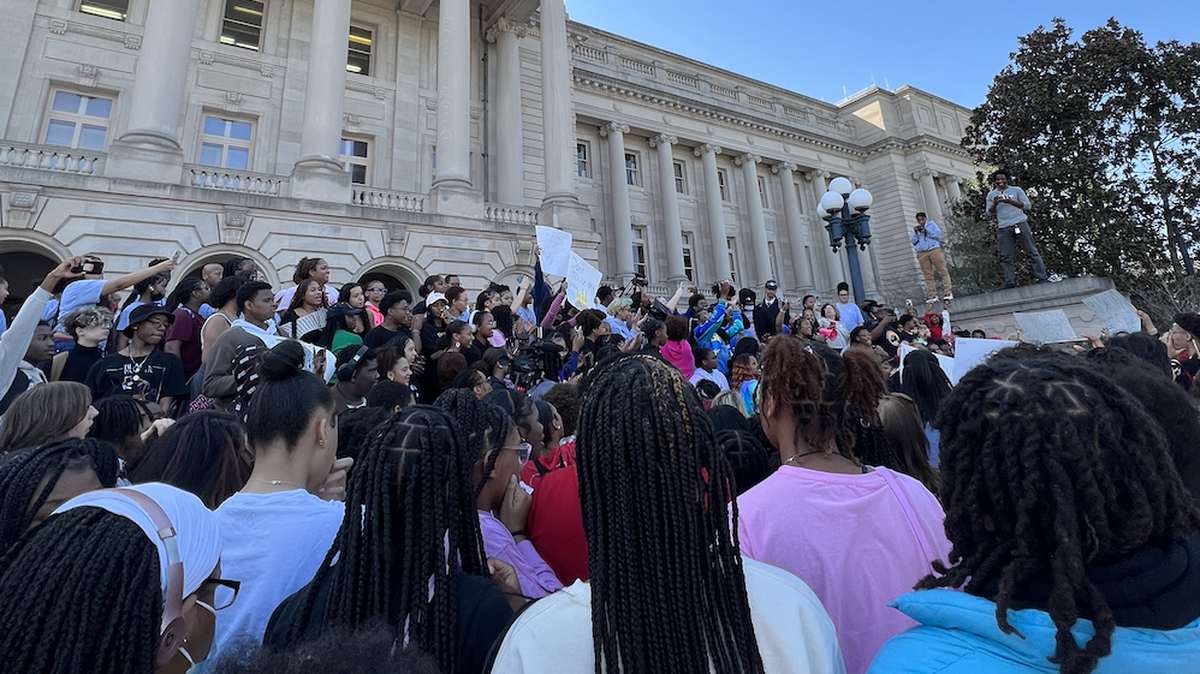
Lexington could soon become the fourth city in Kentucky to ban race-based hair discrimination in workplaces.
On Tuesday, the Lexington-Fayette Urban County Council General Government and Planning Committee unanimously passed the Create a Respectful and Open World for Natural Hair, or C.R.O.W.N., ordinance, which would ban discrimination based on hair types of certain styles — such as braids, locs, twists or Bantu Knots.
The ordinance now goes to the full council, where it could receive a final vote later this month.
Louisville, Covington and Frankfort have passed similar anti-hair discrimination measures. Efforts to get a statewide ban on hair-based discrimination has failed in the state legislature in recent years. Covington was the first city to pass an ordinance in 2020. Frankfort was the latest in March.
According to information provided to the council Tuesday, 44 cities and 21 states have banned discrimination based on hair.
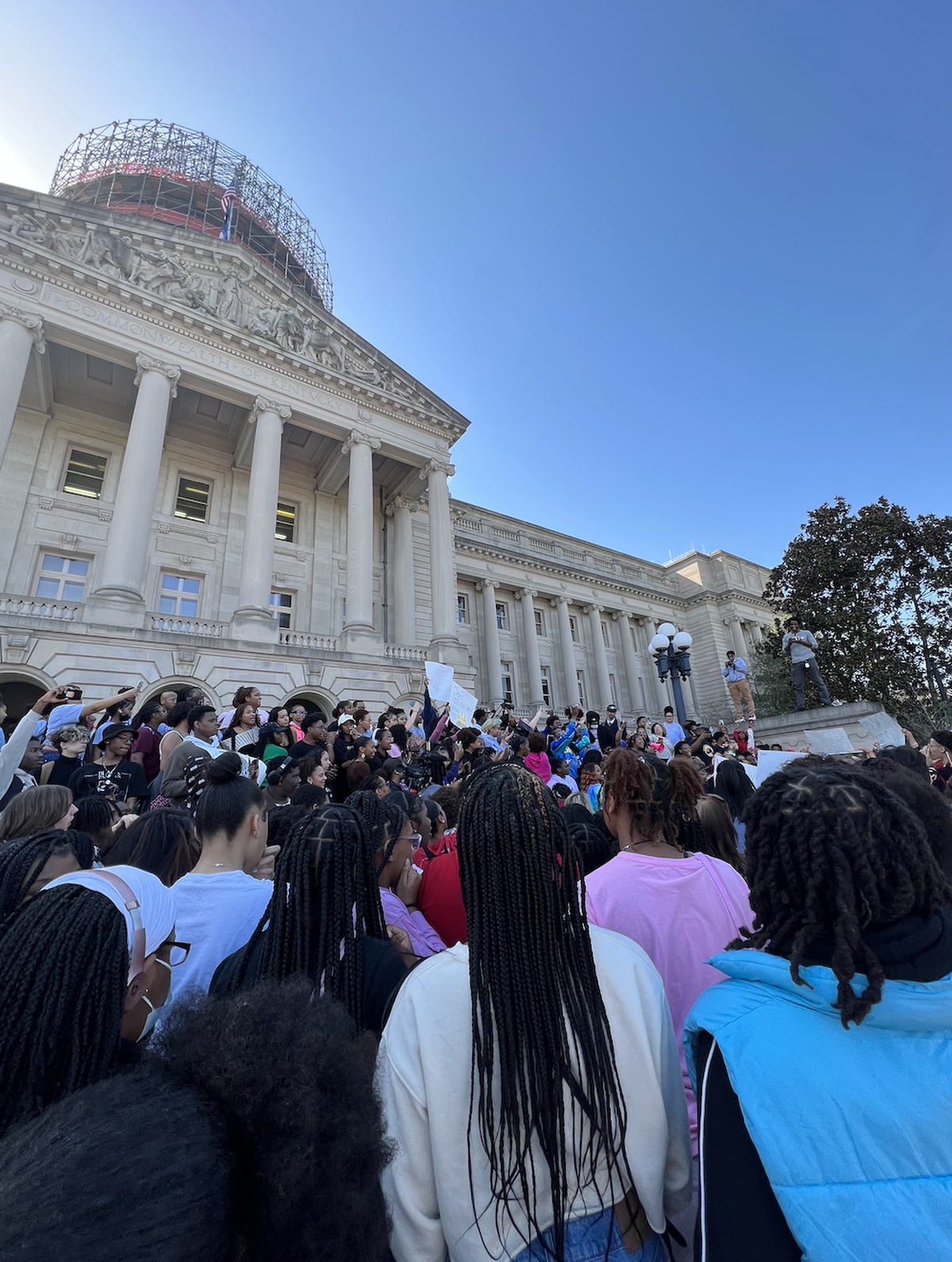
“Currently it is perfectly legal to discriminate based on natural hair styles,” Tiffany Brown, the city’s diversity, equity and inclusion officer, said.
Three Black Lexington councilwomen — Shayla Lynch, Denise Gray and Tayna Fogle — pushed for the ordinance.
“It is important to ensure all Lexingtonians are free from discrimination based on their hair,” said Lynch. “For the first time, we have city council members and council staff of various hairstyles from locs to other natural hairstyles.”
Lynch, who showed a photo of herself with former Gov. Ernie Fletcher during Tuesday’s committee meeting, said she was told after the photo was taken that she needed to change her hair style if she wanted to be successful. At the time, Lynch had an afro.
Sent home from work, discriminated in school
A Dove 2019 Workplace Research Study, a survey of 2,000 women, half of them Black and half white, showed Black woman are 3.5 times more likely than white women to be sent home from work due to their hair. Eighty percent of Black women in the study were more likely to change their natural hair in professional workplace.
The report also states 25% of Black women believe they have been denied a job interview because of their hair, which is even higher for women under 34.
Gray said she has heard of people who were denied a job or disciplined at work because of perceptions about Black hair.
“I have spoken with Black women and men who have either been denied employment or have received workplace discipline regarding their hair. Many within our community do not realize discrimination based on one’s hair is legal in Kentucky because it doesn’t necessarily affect them,” Gray said.
Gray said as a former educator she has seen students discriminated against and berated because of their natural hair.
“It hurts to see people who don’t feel comfortable being themselves,” Gray said.
Black girls in schools are also disciplined or discriminated against based on their hair, a 2021 Dove study showed.
That study showed 53% of Black mothers said their daughters were discriminated against based on their hairstyles.
How the ordinance would work
The proposed ordinance would ban racial based discrimination of hairstyles in employment and housing. The Lexington-Fayette Human Rights Commission would investigate all complaints. If someone is found guilty, the courts could determine what the financial damages would be, said Brown.
Private and public schools may not be covered under the ordinance, Brown said due to jurisdictional issues.
Fayette County Public Schools and University of Kentucky are governed by state laws and codes that allow schools to have their own disciplinary procedures, according to city lawyers.
“It would not prohibit them from filing a complaint with the human rights commission,” said Michael Cravens, a lawyer with the city. “The question would be whether the human rights commission has jurisdiction.”
Councilman James Brown said efforts at the state level have stalled and the city needs to step up.
“Discrimination based on hair is real,” James Brown said, referring to his daughter and other family members who have struggled because of hair-based discrimination.
Vice Mayor Dan Wu said not only is the ordinance important, but it also tells people “who we are and what we value.”