Lexington to give $2 million from ‘infill fund’ for projects outside growth boundary
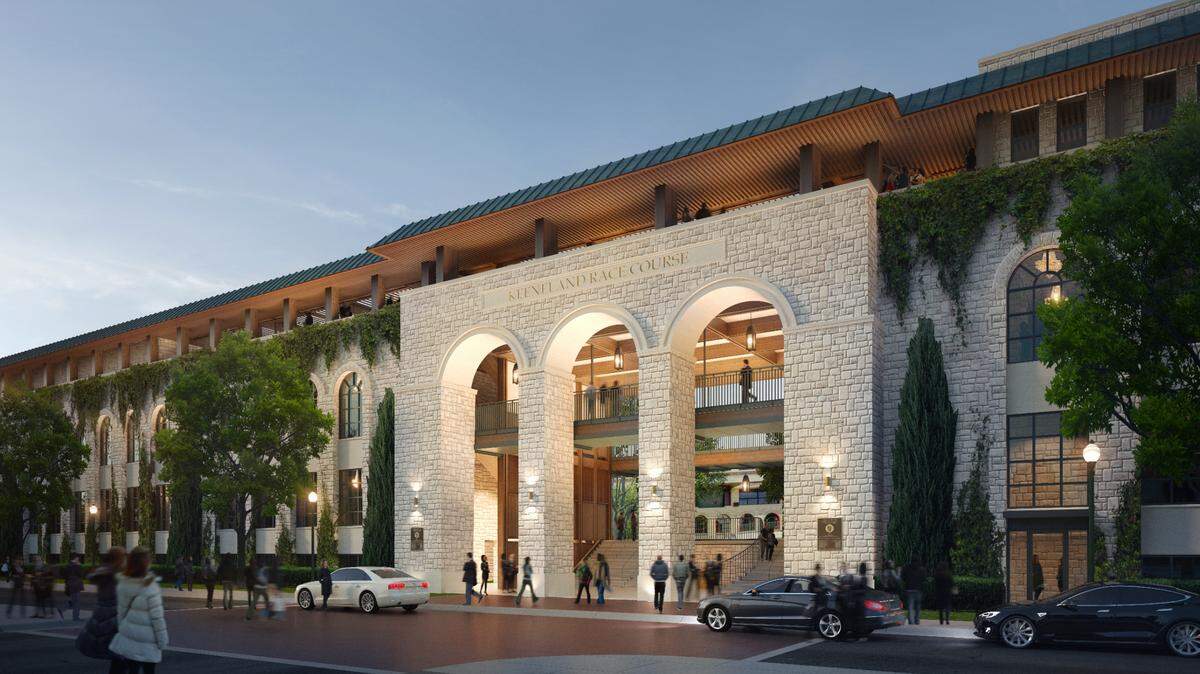
A fund designed to help Lexington developers with difficult infill projects could be depleted by two proposed sports-related tourism draws outside of the city’s current growth boundary.
During a Tuesday work session, the Lexington-Fayette Urban County Council voted to move to its agenda two incentives from a $3 million infill and redevelopment public infrastructure fund. The council will have a first reading on the incentives at its Thursday meeting.
Those incentives include:
- $1 million for infrastructure at Keeneland, which is proposing a more than $93 million renovation and expansion
- $1 million for public infrastructure for Lexington Sporting Club’s 5,250 seat stadium on Athens Boonesboro Road.
Both projects are currently outside the city’s infill and redevelopment area.
The $3 million was originally proposed to help with public infrastructure on difficult to develop parcels inside the city’s growth boundary. Developers pushed for the creation of the fund, arguing many undeveloped and underdeveloped parcels had costly infrastructure fixes.
The council originally approved the guidelines for the $3 million fund in 2022.
Lexington Chief Development Officer Kevin Atkins told the council Tuesday the two projects qualified because they would create jobs. Moreover, the projects did not have to be traditional infill projects.
Infill and redevelopment projects “was an area of focus but not a requirement,” Atkins said of the $3 million public infrastructure fund.
Atkins said there has been some interest in the fund from other developers. Projects have to be ready to go to get funding. Not all infill and redevelopment projects are at that point, Atkins said.
The $1 million is reimbursement only, and it can only be used for construction costs.
In addition to the $1 million from the public infrastructure fund, Lexington Sporting Club could also receive a rebate of 1% of the 2.25% local occupational tax. There is no projection for how much in tax rebates the club could receive.
“It would only be for new jobs created,” Atkins said. “If the projects aren’t completed, there are claw back provisions.”
That means the city can get some of its money back.
Lexington Sporting Club will create between 50 and 150 jobs. There are no minimum salary requirements.
Other incentives for Lexington Sporting Club
Lexington Sporting Club can also apply for an industrial revenue bond of up to $50 million.
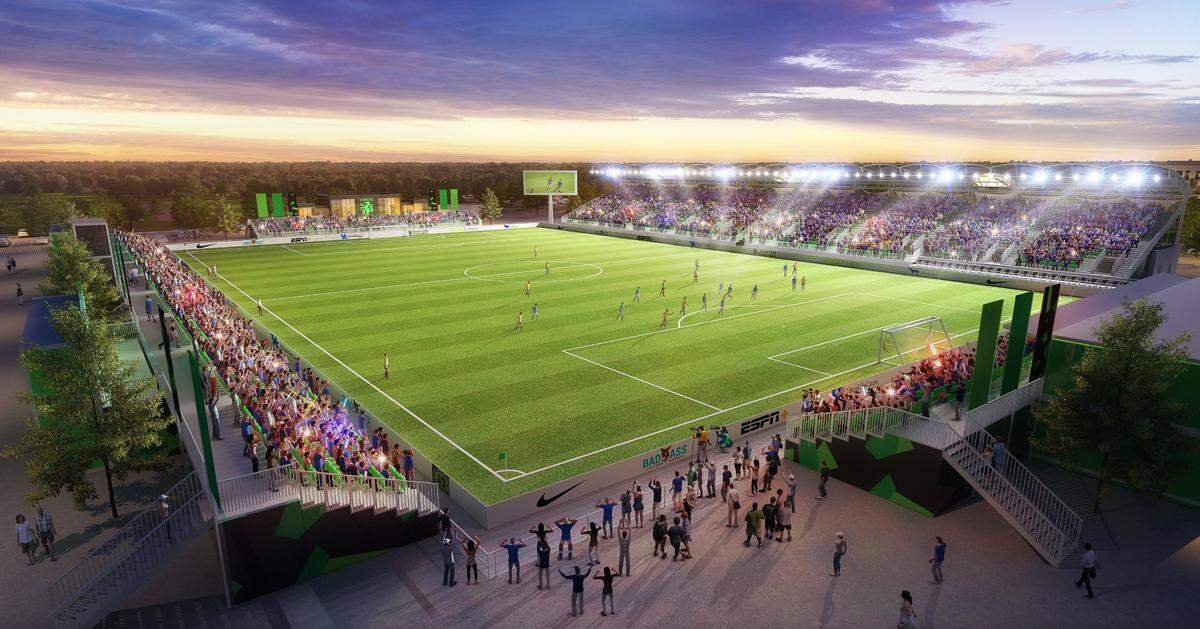
Under that program, the city would help Lexington Sporting Club issue bonds for construction of the project. The city would then take title of the land. That means the pro soccer club would not have to pay city property taxes. It would have to work out agreements with other taxing districts such as Fayette County Public Schools, the library and Lextran for property taxes.
Industrial revenue bonds also help non-government organizations like the professional soccer group attain other financing.
The council already approved $1 million in incentives from surplus funds for the construction of seven youth sports fields at the Athens Boonesboro complex.
Lexington-Fayette Economic Development Incentives Board, which vets and gives initial approval for business incentives, approved the incentives at an Oct. 24 meeting.
Lexington Sporting Club officials had originally said it would not seek public incentives to build a stadium. However, the group, after struggling to find a home for its stadium, was then courted by other counties, including Jessamine County.
This is the second time in two years a group has taken advantage of industrial revenue bonds. The council approved a similar financing structure for the Manchester Hotel in 2021.