‘It’s not bait and switch.’ Fight over fate of Lexington home heats up
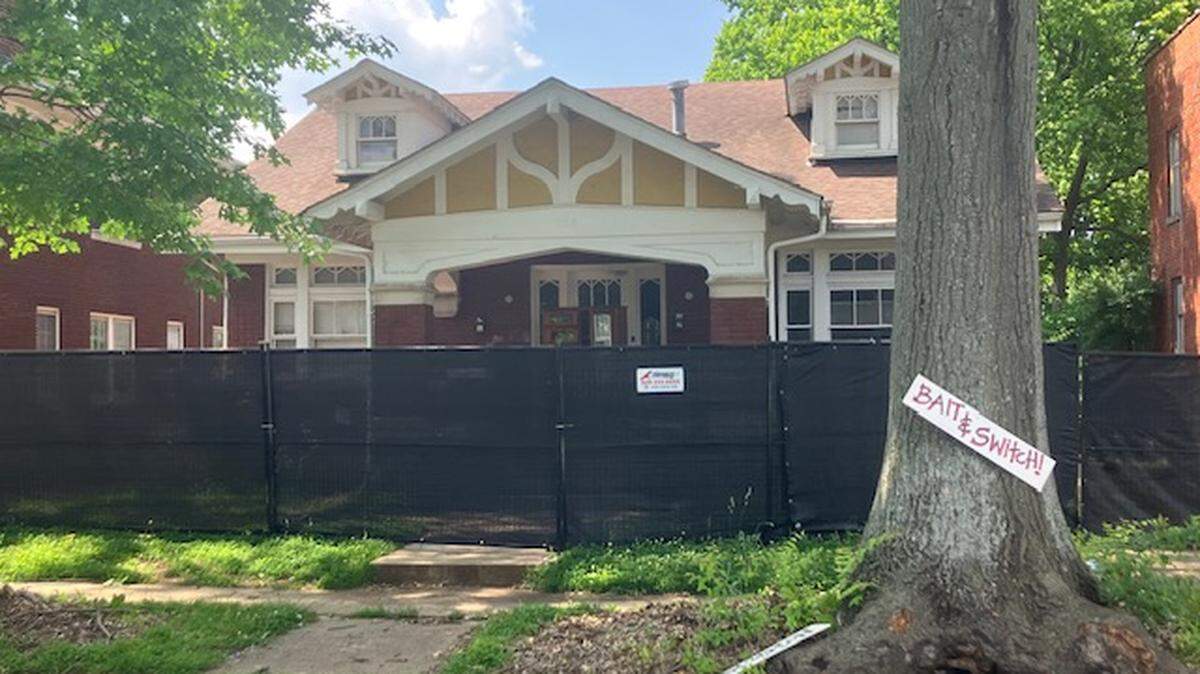
A lawyer for a developer of a six-story apartment complex near the University of Kentucky says a demolition permit was mistakenly pulled for a home that preservationists and neighbors thought would be saved.
Yet, it’s likely the home at 245 Stone Ave. will eventually be razed to make way for a new fraternity house, said officials with Stavroff Land and Development.
The fate of the home at 245 Stone Ave. is just the latest fight in a sometimes contentious two-year battle between neighbors, the Blue Grass Trust and Stavroff Developers over the new student apartment complex on East Maxwell Street.
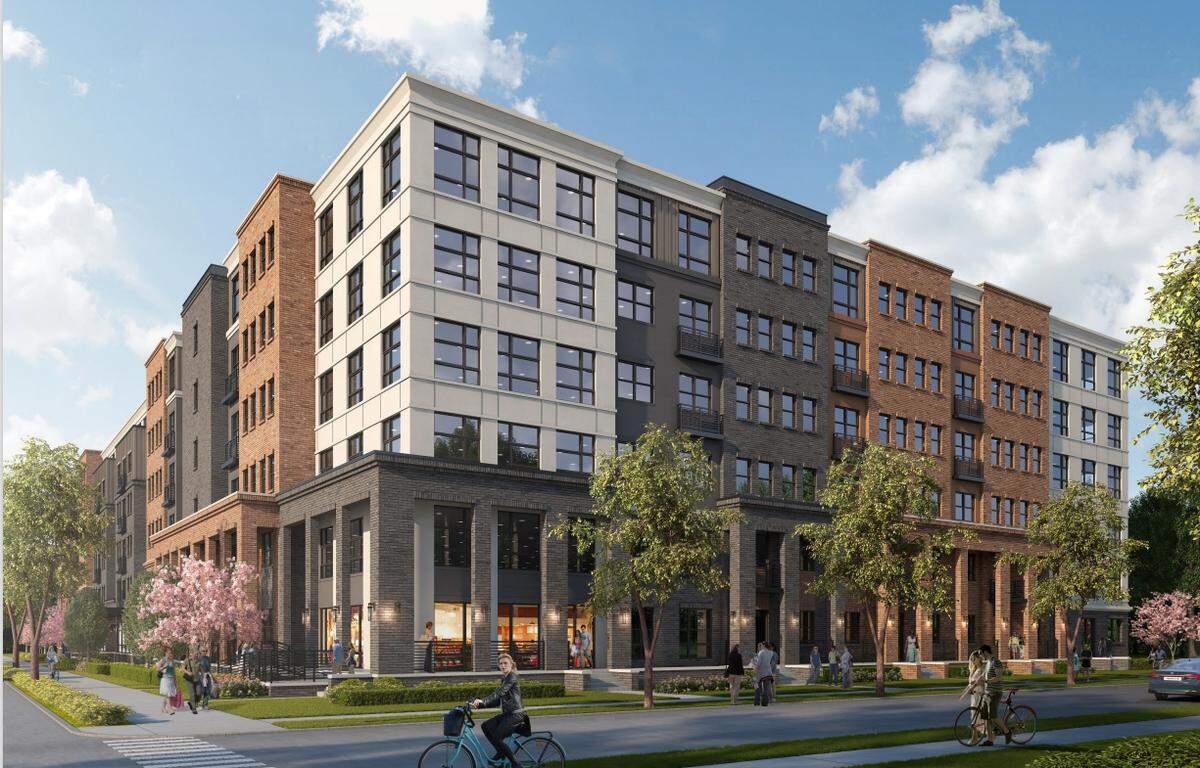
In December 2023, the Urban County Planning Commission voted to approve a zone change allowing Stavroff to build a six-story apartment complex on East Maxwell Street between Stone Avenue and Lexington Avenue. The apartment complex will have 238 units.
During the initial development phase, Stavroff had originally proposed razing the home at 245 Stone Ave. so it could place trash compactors or dumpsters behind the the proposed apartment building. Due to concerns raised by planning commission members, that plan was ultimately scrapped and neighbors thought 245 Stone Ave. would be spared from demolition.
The block for the proposed development has several a dozen homes that are student apartments that will be razed.
After a zone change is approved, developers must return to the planning commission with a final development plan before construction can begin.
In December 2024, Stavroff presented a final development plan that some commission members said was dramatically different than the initial plans shown in December 2023. Some of those planning commission members and neighbors were worried Stavroff had pulled a “bait and switch.”
Officials with Stavroff said those changes were necessary because of site constraints due to utilities on the property and other issues that arose during further site analysis after the zone change was approved in December 2023.
Stavroff agreed to review its plans and restored many of the design elements included in the original plan. It received final approval of its development plan in January.
Demolition permits pulled, fencing up
In May, demolition permits were issued by city officials for the homes in the East Maxwell block.
Fencing also went up around homes set to be torn down.
Maureen Peters, an architect on Lexington Avenue who also raised concerns about the change in Stavroff’s initial and final designs, noticed the home at 245 Stone Ave. was behind the construction fence.
She and members of the Blue Grass Trust soon discovered the construction crews Stavroff hired were issued a demolition permit for 245 Stone Ave. The January final development plan showed the house outside the demolition area.
Peters said she was worried Stavroff was going to demolish the home and put the trash compactors on the site as it had proposed two years ago.
After Peters and the preservation group raised questions about the demolition permit, it was pulled, city records show.
Still, Peters and Zak Leonard, historic preservation manager for the Blue Grass Trust, said they had concerns about the lacks of checks and balances on the demolition process.
City planning staff don’t monitor demolition permits so a developer could apply for a demolition permit for a building it told planning commissioners and planning staff it was going to save.
“The planning staff do not monitor demolitions and therefore can’t really ensure that development plans are being followed,” Leonard said. “Second, the building inspection department does not consult final development plans in determining if a demolition is valid. That’s how situations like this occur. “
Susan Straub, a spokeswoman for the city, said 245 Stone Ave. inclusion in the development plan was a mistake. It was never supposed to be included on that plan.
“We do not consider 245 Stone to be included in the current development plan,” she said. “245 Stone was removed from the development plan, but Vision Engineering (the engineering firm overseeing the new development) erroneously left the address in the title block.”
A title block is included on a development plan to show what addresses the development includes.
Straub confirmed building inspection does not review development plans before issuing demolition permits.
On May 13, not long after the demolition permit was pulled, Stavroff transferred ownership of 245 Stone Ave. to Kappa Alpha fraternity for $1, land records show.
Stavroff had also paid Kappa Alpha $1.2 million that same day for its property at 235 Stone Ave., the former fraternity house. which will be torn down for the new development. Fayette County Property Value Administrator records show the property is worth $407,000.
A mistake, but building will likely be razed
Jon Woodall, a lawyer for Stavroff, said the general contractor accidentally pulled the demolition permit for 245 Stone Ave. when it pulled permits for the rest of the block. It was a mistake and it was corrected.
“This is not bait and switch,” Woodall said.
The trash compactors will not go on the property at 245 Stone Ave., he said.
Woodall said Stavroff always planned to turn the property over to Kappa Alpha. Officials with Kappa Alpha could not immediately be reached for comment.
Woodall said he has been told Kappa Alpha plans to raze 245 Stone Ave. to eventually build a new fraternity house. To do so, city officials said Kappa Alpha would have to get a zone change and a conditional use permit to operate a fraternity at that address.
“At some point that building will be razed. That’s never been hidden by anybody,” Woodall said. Woodall said the intent to transfer the property to Kappa Alpha was mentioned in previous subcommittee meetings of the planning commission.
Officials with the Blue Grass Trust wrote to Kappa Alpha last week asking it to consider saving the home. Built in 1927, it has a “stunning array of styles. Its triple windows and exposed rafter tails indicate a Craftsman influence, while its half-timbering and the porch’s pointed arches (which are echoed in the front transom windows) reflect a clear Tudor Revival inspiration,” Leonard wrote in a letter to the fraternity provided to the Lexington Herald-Leader.
Peters said the house is unique.
“There is really nothing in Lexington like it,” she said.
Leonard said Friday he had not heard back from the fraternity.
This story was originally published June 9, 2025 at 4:00 AM.