
Is your Central KY yard a skunk hotspot? You can keep them away with these tips
AI-generated summary reviewed by our newsroom.
- Juvenile skunks roam in late summer and fall, seeking food and nesting spots.
- Securing trash, removing food sources and sealing structures deters skunks.
- Rabid skunk reports rising; keep pets vaccinated and monitor for odd behavior.
More skunks are testing positive for rabies in Kentucky, with the highest number of cases reported in Fayette County in recent years, a Kentucky Department for Public Health report shows.
In 2024, the county reported five skunk-variant rabies cases, and as of May this year, that figure stands at three. The Kentucky Department for Public Health report shows skunk-variant rabies is on the increase for both years. That underscores the importance of keeping your pets current on their vaccines, and why you should take care not to attract skunks to your backyard.
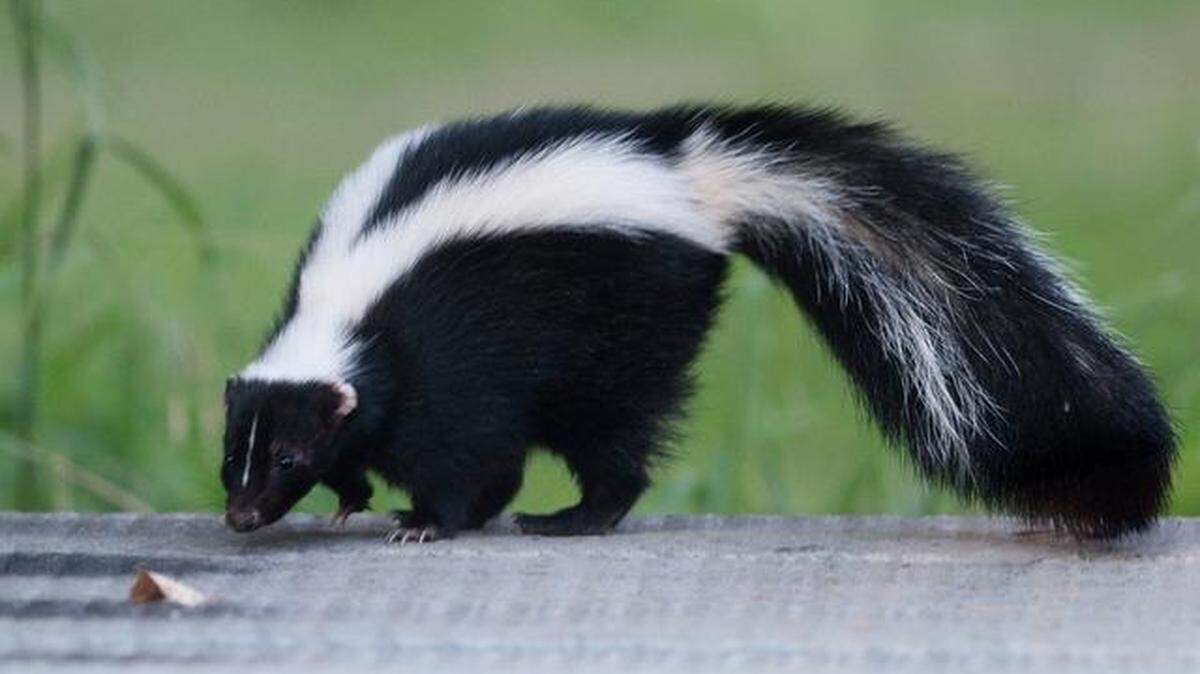
As explained by Matthew Springer, an associate extension professor of wildlife management at the University of Kentucky, skunks are opportunistic eaters that will gravitate toward easy sources of food. Skunks will eat just about anything, from the grubs in your backyard, to your garbage and food scraps.
What’s more, late summer and early fall are when juvenile skunks are breaking off from their families to strike out on their own. With easy food sources and attractive denning sites, your backyard could become prime skunk real estate.
To be clear, most skunks don’t pose a problem and are actually beneficial. They feed on many things humans consider to be pests, such as rodents. But if skunks are invading your backyard, Springer has tips for repelling them and keeping them away in the first place.
How to get rid of skunks and keep them away from your yard
If you find yourself dealing with a skunk problem in your backyard, know skunks are opportunistic eaters drawn to convenient sources of food.
“Skunks are really good at living in human environments,” Springer said. “We offer them a lot of resources, whether that’s denning under somebody’s deck or garage or shed, to all the food that we tend to have around.”
As the late naturalist Thomas G. Barnes explained in a fact sheet published by UK’s Cooperative Extension Service, skunks’ favorite food sources are grasshoppers, crickets, beetles, cutworms and other insect larvae.
When these aren’t available, they’ll gravitate to mice, rats, shrews, moles, chipmunks and other small mammals. Skunks also eat reptiles and amphibians, fish, fruits and food scraps or garbage. Poultry and the eggs of ground-nesting birds are also on their list.
Because skunks prey on a lot of pests, it’s generally best to let them do their thing. If they have become a problem in your backyard, consider whether you or your neighbors might be contributing to that problem by providing easy sources of food.
If your backyard is attracting skunks, the first thing to do is to make it less appealing, Springer advises. Consider the following:
- If you have a bird feeder, consider removing that food source. Skunks will eat leftover bird seed spilled on the ground, and the rodents those feeders attract can also be appealing food sources.
- If you feed your pets outside, pick up any leftover food. Skunks are mostly nocturnal animals and will be on the prowl for a meal at night.
- A skunk will gladly settle for your leftover McDonalds if they can get to it. Make sure your trash cans are secure and they can’t get access to scraps. A compost pile could also be a draw.
- If skunks are sheltering under your deck, shed or another attractive denning site, use chicken wire or hard wire cloth to seal the area off. Skunks can dig, but don’t offer them easy denning sites. Wood piles and rock mounds can also be good denning sites if you’re a skunk. Used kitty litter or motion-activated flood lights near a denning site can also make these spots less appealing to skunks.
- If skunks are digging up your lawn, they’re likely going after grubs, another favorite food source. Springer recommends treating your yard for grubs in that case.
- Talk to your neighbors and make it a team effort. If your neighbors are feeding skunks, intentionally or not, it will limit how effective you can be with your own exclusion efforts.
“We occasionally find folks that are trying to purposefully feed them,” Springer said, adding that’s not advisable.
What should I do if I encounter a skunk?
One point you should keep top of mind is that skunks can carry rabies, and reports of rabid skunks have been fairly common in Lexington in recent years.
It’s a big reason why people shouldn’t be in the habit of feeding skunks and why your pets need to stay current on their rabies vaccines.
“Ensuring that any pets that you have are up to date on their vaccinations is really important, because you never know when those animals may come in contact with each other,” Springer added.
Humane World for Animals, formerly called the Humane Society, advises watching for the signs of rabies in skunks. Skunks can be active during the day, but if you see one displaying the following signs, watch out:
- Limb paralysis.
- Circling.
- Boldness or unprovoked aggression.
- Disorientation or staggering.
- Uncharacteristic tameness.
If you suspect you’re dealing with a rabid skunk, contact Lexington-Fayette Animal Care and Control. The agency only removes sick and injured animals, but it can also refer to private businesses for other types of removals. You can also report your observations to the Kentucky Department of Fish and Wildlife Resources to help the agency track sick animals across the state.
Skunks usually offer ample warning when they’re about to spray. According to Humane World for Animals, this includes stamping their front feet, a raised tail, hissing sounds, short forward charges and aiming their behind in your direction. More rare spotted skunks, which Kentucky does have in its eastern regions, will actually do a handstand.
While they may seem obvious to humans, dogs will often ignore these signs, which is why they should be on a leash if they’re out for a walk.
If you happen to meet a skunk, back away slowly, do your best to avoid spooking the animal and offer it an escape route.
If you or your dog are unfortunate enough to get sprayed by a skunk, a Lexington dog groomer has expert tips for removing the smell.
Do you have a question about wildlife or critters in Lexington or Kentucky for our service journalism team? We’d like to hear from you. Fill out our Know Your Kentucky form or email ask@herald-leader.com.
This story was originally published August 6, 2025 at 9:30 AM.