FCPS property tax rates have jumped 20% since 2012, while other rates dropped
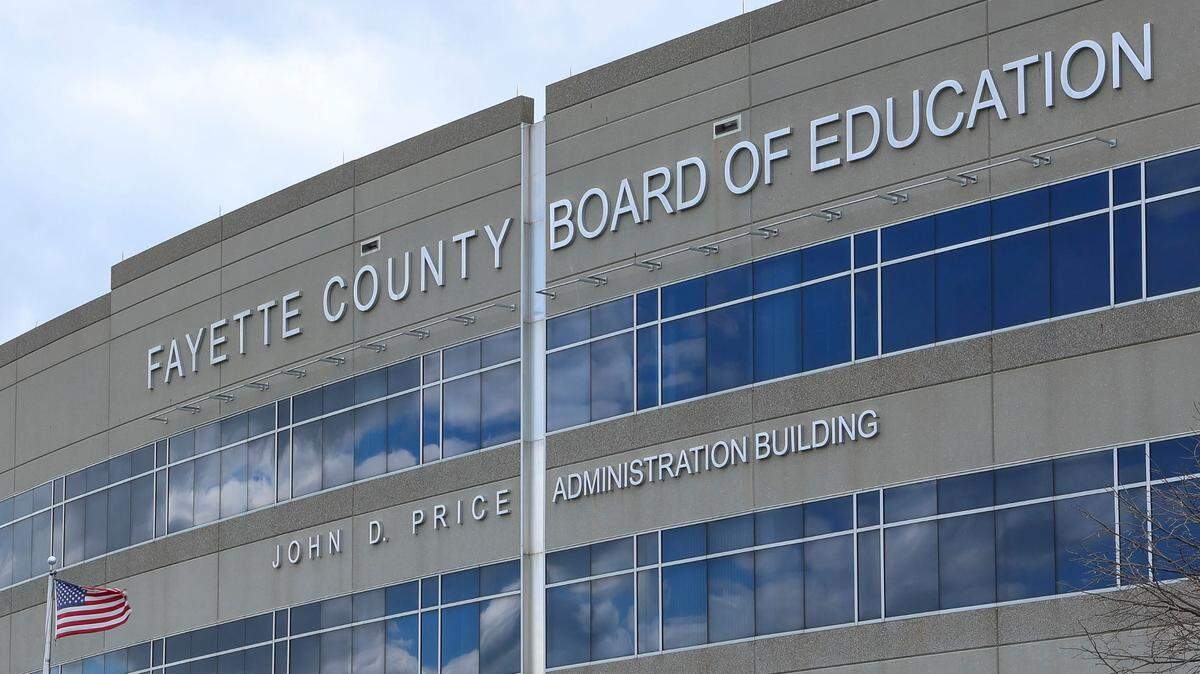
As Fayette County Public Schools grapples with a potential $16 million budget shortfall, one potential solution is to increase property taxes, a main source of revenue for the district.
Property tax rate records show it’s an option the school district has consistently used to shore up its books.
From 2012 to 2024, Fayette County Public Schools raised property tax rates by 20%, according to records from the Fayette County Property Value Administrator’s office.
In 2012, the district’s tax rate per $100 of assessed value for Fayette County residents was 0.674, or roughly 67 cents per $100 of assessed value. By 2024, the latest figures available for all taxing districts, the tax rate had jumped to 0.809, or roughly 81 cents per $100 of assessed value.
Meanwhile, the city and state have decreased their property tax rates during that same time, Fayette County property tax records show.
Fayette County Public Schools has not raised property tax rates every year. The last time it raised property tax rates was in 2022, when it raised the rate from 80 cents per $100 of assessed value to 83 cents per $100 of assessed value. It has kept rates relatively steady or decreased them slightly over the past six years, tax records show.
The increases have happened while Fayette County has seen skyrocketing property values.
Unlike Fayette County Public Schools, the city and state have opted to lower their tax rates as property values have increased by 66% in Fayette County over those 12 years, according to David O’Neill, the Fayette County PVA.
That means a home worth $150,000 in 2012 is now worth $249,000.
KY, Lexington have decreased tax rates as assessments have climbed
The Lexington-Fayette Urban County Government and the state have either decreased their tax rates or kept them largely the same to account for the increase in property values in the past 12 years, tax records show.
In 2012, the tax rate for the city’s general fund — its main checking account — was 0.08, or 8 cents for $100 of assessed property. (To do that math, take a home worth $260,000/100=$2,600. Then multiply by 0.08 to get a tax bill of $208).
LFUCG recently passed a 2026 general fund tax rate of 0.075. That means a homeowner of a $260,000 property will pay $195, marking a decrease from the tax bill for the owner of a similarly priced home in 2012.
But most homeowners are paying more to all taxing districts than they were in 2012, anyway, because of the increased value of their homes.
“If you count the increase in the tax rate and the assessment values, the total increase for Fayette County Public Schools is 100%,” O’Neill said.
State property tax rates have also decreased during that period. In 2012, the tax rate was 0.122, or roughly 12 cents per $100 of assessed value. In 2023, it was 0.114, or roughly 11 cents per $100 of assessed value.
Here’s the percentage tax rate increases and decreases by taxing district from 2012 to 2024 according to Fayette County PVA numbers:
State property tax rate: 11% decrease
Fayette County Public Schools: 20% increase
LFUCG General Fund: 5% decrease
LFUCG Urban Services Fund (garbage pick up, street cleaning, street lights): Less than 1% decrease
Fayette County Schools gets bulk of property taxes
At least 64% of local property tax revenues go to the Fayette County Public Schools, property tax records show.
It’s the largest chunk of homeowners’ property tax bills. Roughly 6% goes to the city’s general fund — more than half of that money goes to the Lexington Public Library — and 9% goes to the state.
The remaining money goes to pay for other city services such as trash pickup, streetlights and street cleaning, as well as other taxing districts such as Lextran and the Fayette County Health Department.
According to Fayette County Public School 2025-2026 budget documents, 56% of its revenue comes from local taxes, which includes property and occupational taxes. The remaining revenues come largely from the state, about 36%, federal and other income sources, including carry-over funds from prior years.
Will FCPS raise property taxes again?
The state’s second-largest school district has been wrestling with how to rectify its shortfall since late May, when it proposed but eventually aborted a plan to raise the occupational tax, or a tax on wages, after public outcry and Attorney General Russell Coleman said it was unlawful.
A school district-led budget work group, consisting of community and business leaders, recommended the district tap a projected $42 million contingency fund, among other recommendations.
But on Thursday, Superintendent Demetrus Liggins said the projected surplus had dropped from $42 million to somewhere between $15 and $22 million. The school district can’t tap it, or it will drop below a state-mandated directive to keep 2% of its revenues as part of a contingency fund.
Liggins said the district was at a “crisis” point.
Liggins said inflation and other unexpected costs have climbed dramatically, including charges for retired teachers who return as substitutes and shortages in funding for preschool and school lunches.
Without additional revenue sources to ease the financial crunch, cuts will be made during the 2025-26 school year, with additional adjustments likely in the years ahead, Liggins said.
The Fayette County Public School Board is expected to discuss its property tax rate at a school board meeting on Monday, school board chairman Tyler Murphy said.
According to board agenda minutes released Saturday, the school system is recommending a decrease of approximately 1.1 cent per $100 of assessed property values. That would be a decrease of approximately 80 cents per $100 of assessed value to 79.8 cents per $100 of value.
This story was originally published August 15, 2025 at 11:29 AM.