A cock-a-doodle-do crackdown? Lexington could limit roosters in urban areas
AI-generated summary reviewed by our newsroom.
- Lexington council advanced a rule limiting roosters to one per urban home.
- Fines for restricted or noisy animals will rise to $100 per animal per day.
- Final ordinance vote set for Sept. 11; enforcement begins Nov. 1, 2025.
No more walking on eggshells for Lexington city officials.
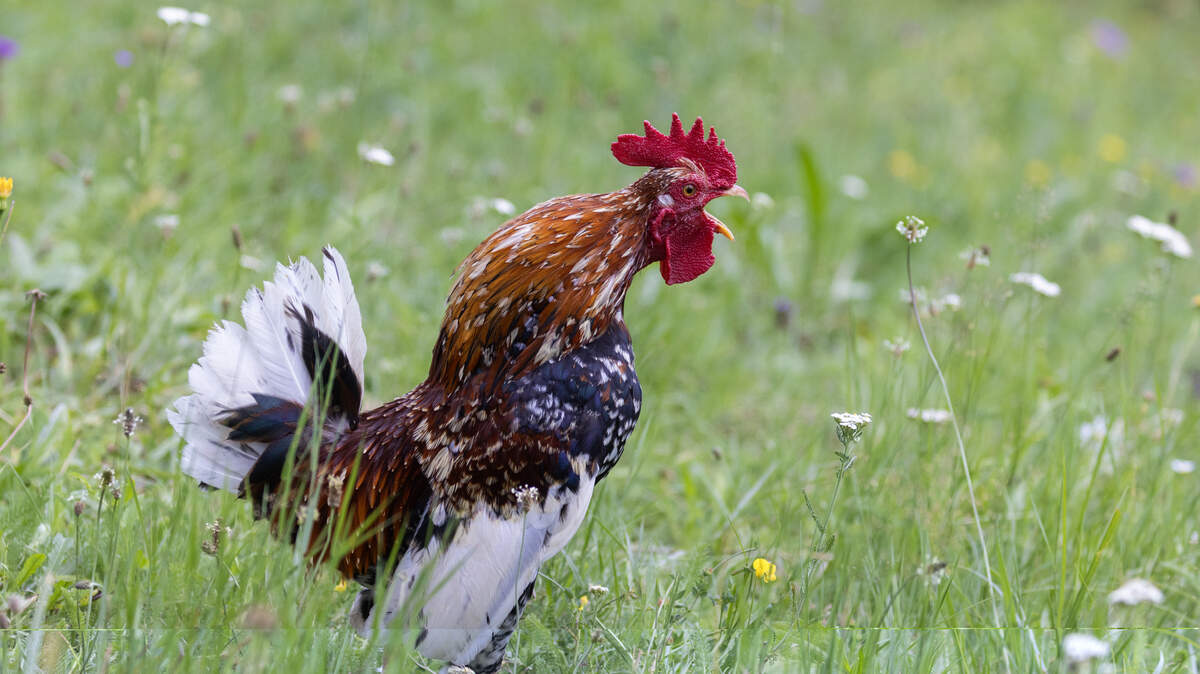
Responding to residents’ complaints of too-early-in-the-morning wake-up calls from red-combed rascals with fancy tail feathers in city neighborhoods, Lexington council members have decided to enact some limits.
The Lexington council move forward new rules Tuesday that would limit the number of roosters to one per household.
The new rooster limit would not apply to roosters in the agricultural zones, or large property outside the urban service boundary.
The ordinance, if approved, would boost fines for those who keep restricted animals from $5 per animal per day to $100 per animal per day. Those restricted animals include those who keep more than one rooster or are owners of hogs, pigs or goats.
The city already prohibits pigs, hogs and goats inside the urban service boundary.
The Lexington-Fayette Urban County Council’s Social Service and Public Safety Committee voted to approve the updated ordinance during Tuesday’s meeting.
The measure will get a first reading Thursday with a final vote set for Sept. 11..
Crowing all day
Councilwoman Amy Beasley, who represents the 8th Council District, said she has received multiple complaints about noisy roosters in her district. The 8th Council District includes neighborhoods surrounding the Tates Creek school campus on Centre Parkway.
One woman in her district has a neighbor with 12 roosters, Beasley said.
The birds are highly territorial, she said.
“They can crow at each other all day,” Beasley said.
That’s why limiting households to one rooster will likely help keep complaints down, she said.
In addition to increasing fines for prohibited animals, the proposed changes would also increase fines for noisy animals to up to $100 per animal, per day.
That means even if someone has only one rooster, but it continually and repeatedly makes noise, a homeowner can still be fined, Beasley said.
The Fayette County attorney’s office currently enforces the prohibited and noisy animal ordinances. That office would continue to do so under the amended ordinance, Beasley said.
Councilman Tyler Morton said he has received complaints about noisy roosters in his district, which includes parts of downtown and the city’s north side.
“There are many cities that don’t allow them,” Morton said of roosters. “There is some sentiment that we should go to zero (roosters).”
Councilwoman Jennifer Reynolds said she also has received multiple complaints over the years about roosters.
One couple told her they could not sleep because of a neighbor with multiple roosters. Some of those roosters were believed to be raised for cock fighting, she said.
Some council members expressed concerns about the steep increase in fines and notifying chicken owners with more than two roosters about the change in city ordinances.
It’s not known how many people raise chickens inside the city’s urban service boundary. The number has likely increased as more people have started raising poultry due to steep increases in egg prices in recent years.
Beasley said if the ordinance wins approval from council, it would not be enforced until Nov. 1.
Beasley said she has been told by the Fayette County attorney’s office staff they would work with people prior to issuing fines after the new ordinance takes effect.