‘Building Hope.’ Lexington’s oldest homeless shelter opens $6.8 million expansion
AI-generated summary reviewed by our newsroom.
- Hope Center adds 72-unit expansion to boost transitional housing capacity.
- New facility prioritizes homeless veterans and reintegration program clients.
- Project cost doubled to $6.8 million due to delays and rising construction prices.
Lexington’s largest homeless shelter just got bigger.
On Wednesday, the Hope Center opened a $6.8 million expansion after several months of delays.
“Together, we are building more than a facility. We are building hope,” said Cathy Jacobs, chairperson of the Hope Center Board, during an opening ceremony Wednesday at the new unit next to the Hope Center’s main emergency shelter on Loudon Avenue.
The Hope Center is the city’s main shelter for men and also one of the city’s oldest shelters. It opened in 1993.
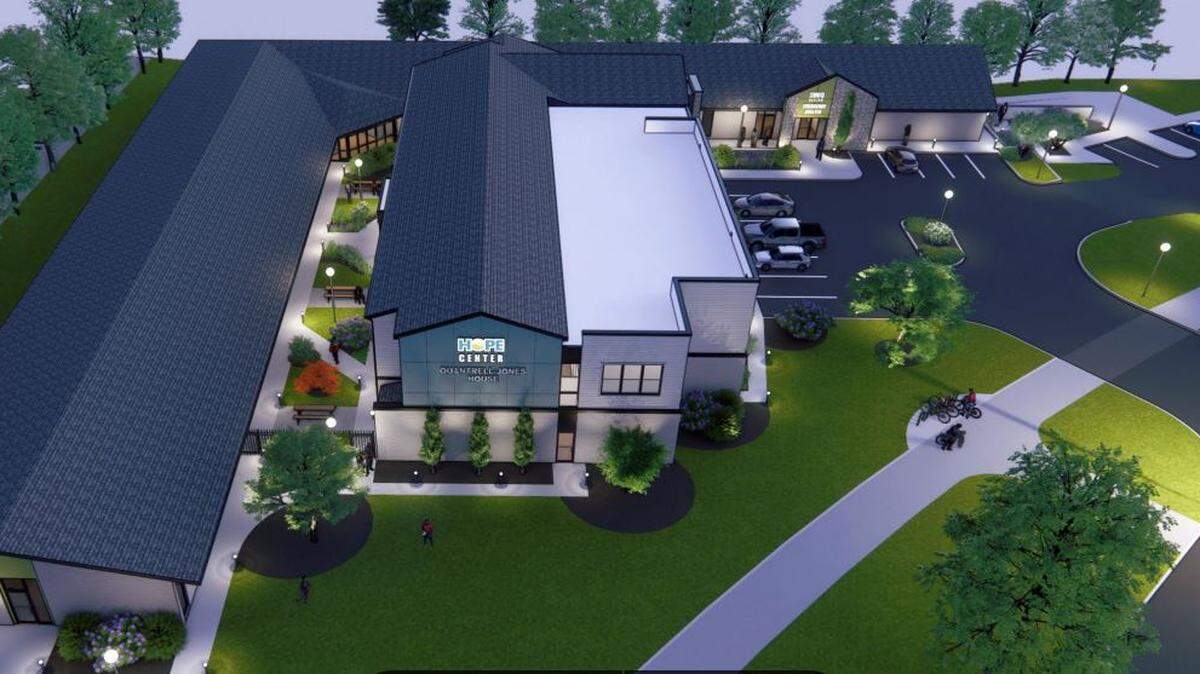
The Quantrell Jones transitional housing unit will add 72 new housing units. Of those, 32 will be designated for homeless veterans.
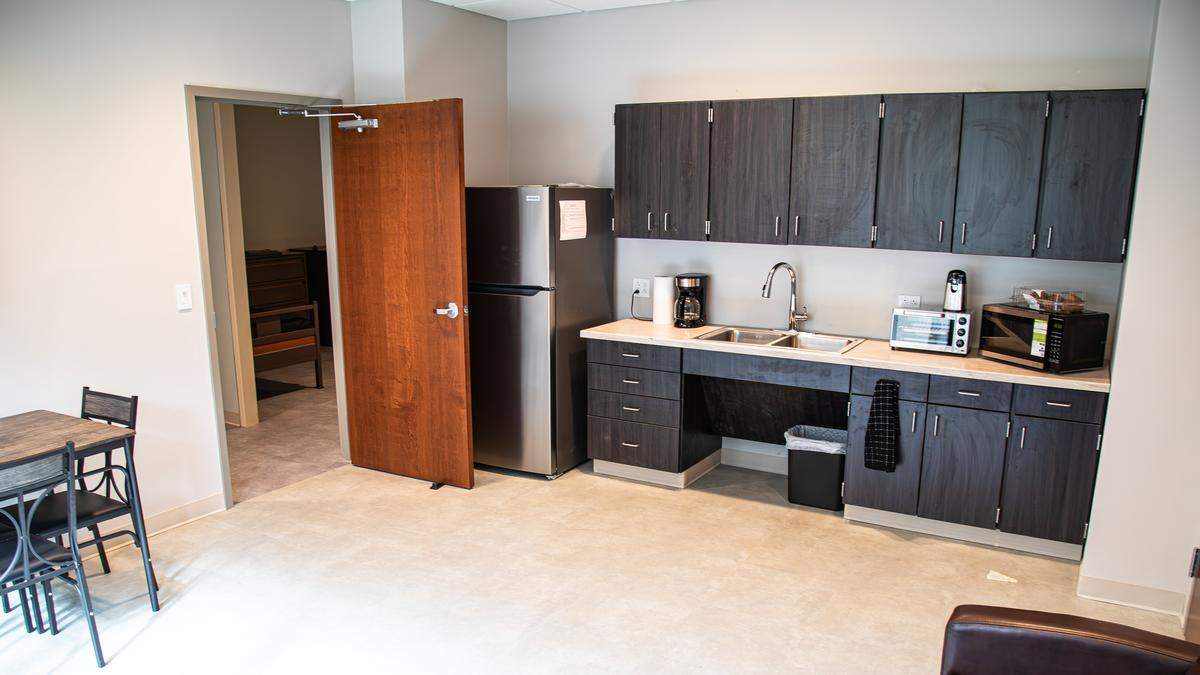
The 40 units on the second floor will be for people receiving reintegration services from the Hope Center, like mental health treatment or career preparation programs.
The much-needed transitional housing will help move more people out of homelessness into permanent housing, officials said.
That will help free up more beds in the Hope Center’s emergency shelter, said David Shadd, chief programs officer for the Hope Center.
Living in congregate settings -- with lots of people -- can be difficult for people with mental illnesses or other issues. The Hope Center has a separate transitional housing unit for people in recovery on its Loudon Avenue campus.
But the new Quantrell Jones center will be the first to focus on veterans and other populations.
Rev. Bonnie Quantrell Jones, who the center is named after, has been volunteering with the Hope Center since its inception in the early 1990s.
Quantrell Jones was a young seminary student when she first started volunteering at Christ Church Cathedral’s Central Kitchen, which eventually merged with a city-run homeless program to become the Hope Center.
The city provided the money to build the shelter, but the Hope Center had no money for furniture. Quantrell Jones, who soon joined the Hope Center board, said they went to hospitals, lawyers, banks and other community groups to acquire beds, couches and desks.
When Hope Center first opened, it had capacity for 114 people. Within a week, they had 140 people sleeping there, she said. They soon had to buy mattresses so they could fit the number of people who needed shelter for the night.
The minister and well-known Lexington car dealer said the Hope Center has continued to expand its mission to help those who need refuge through its various programs, including its drug treatment and transitional housing programs.
“Everyone has a right to a place to live, to food and to clothing,” Quantrell Jones said.
Quantrell Jones also thanked her son and all the employees of the Quantrell Auto Group for their support. It was a donation from Quantrell Jones that made the new transitional housing unit possible.
Emmanuel Bell, a veteran who is now living in the new Quantrell Jones housing unit, said he had a lot of people to thank for their support in his journey to housing.
“There’s nothing like this building that we got. It’s probably the best homeless facility for veterans in the state of Kentucky,” Bell said.
A burst pipe and a delay in opening
The expansion was originally to open in April, but a burst pipe caused significant damage, delaying the opening.
“Eighty-nine gallons a minute flowed for five hours. It occurred overnight, so no one saw the issue until they came to work that morning,” Chief Advancement Officer Chris Peck said earlier this year. “We had to redo all the walls, floors and ceiling. It was a mess, but we are now on track.”
Shadd said they had started planning for the new transitional housing unit nearly five years ago. The cost of materials and construction nearly doubled during that time. The cost for the transitional housing unit was originally going to be $3 million. It exploded to $6.8 million.
About half of the $6.8 million expansion was funded through private donations. The other money came from a $1.55 million capital grant from the Office of Veterans Affairs, and $2 million in American Rescue Plan Act funds, or coronavirus relief money, from the city of Lexington.
This story was originally published September 3, 2025 at 2:54 PM.