Kentucky nonprofits slash staff, shrink programs amid mounting federal cuts
AI-generated summary reviewed by our newsroom.
- Federal funding cuts force KY nonprofits to reduce staff and eliminate programs
- Organizations like KET and KY Humanities report major budget-driven downsizing
- Private donations fall short in offsetting steep reductions in government support
Some Kentucky nonprofits have dramatically curtailed services and laid off staff because of federal funding cuts, nonprofit officials told the Lexington council Tuesday.
Danielle Clore, chief executive officer of the Kentucky Nonprofit Network, an advocacy group for nonprofits, said the loss of federal dollars and the consequences of future cuts are creating chaos in Kentucky’s nonprofit community.
“It’s certainly creating uncertainty and destabilization for nonprofits,” Clore told the Lexington-Fayette Urban County Council’s Budget, Finance and Economic Development Committee Tuesday.
Nonprofits have been hit with a combination of cuts from President Donald Trump’s administration, a $9 million rescissions package that claw backed already allocated funding and other cuts in the Big, Beautiful Budget Bill passed July 4.
And the hits to nonprofits, and essentially those who lean on those groups, will likely keep coming, Clore said.
There are discussions about a second $4.9 billion rescissions package for foreign aid. Trump’s proposed budget also includes $163 billion in budget cuts to emergency management, mental health services, heating and rental assistance.
Those potential cuts will not only hurt nonprofits but also drive up need for services with too few nonprofits able to help, Clore said.
Cuts to staff, programming changes
Many nonprofits have already slashed staffs, Clore said.
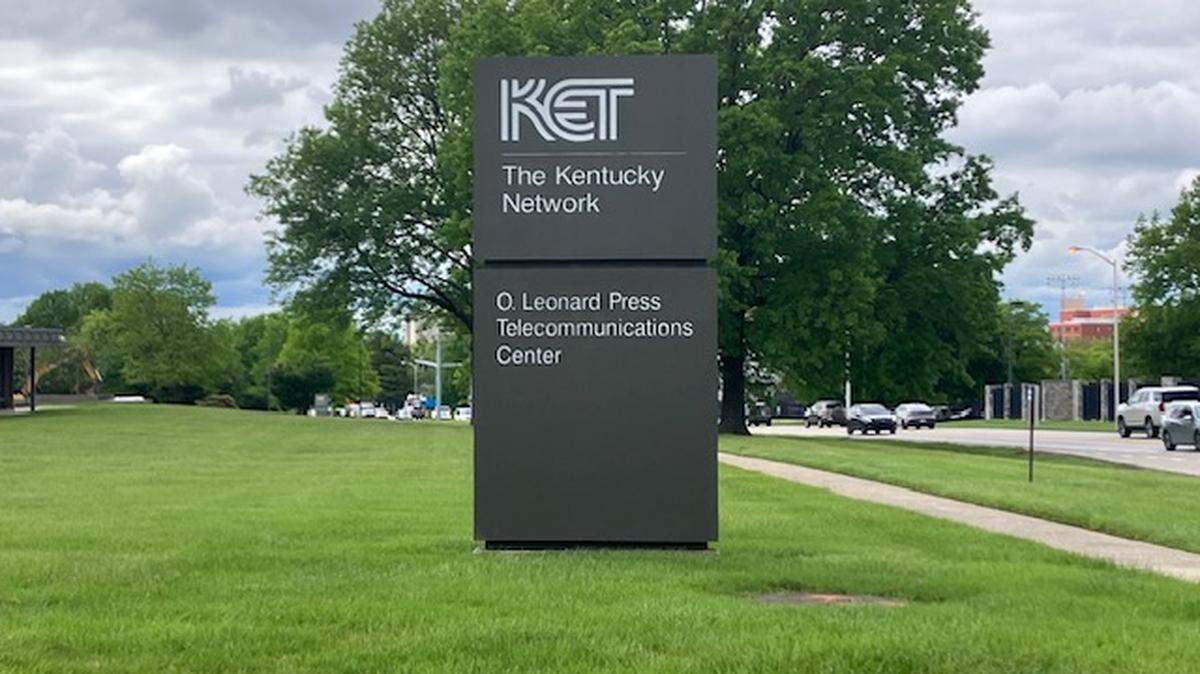
Some including, Kentucky Education Television, or KET, have laid off 15 staff and kept an additional 21 positions open or unfilled, resulting in a loss of more than 20% of its workforce, KET officials said earlier this month.
That was after Congresss passed a $9 billion recission package, yanking funding to the Corporation for Public Broadcasting, which funds KET and other public television stations. KET lost $4 million in federal funding.
Other nonprofits are paring back programming, Clore said.
Kentucky Humanities was notified earlier this year $850,000, or roughly 71% of its $1.3 million budget, has been terminated.
The group helps foster humanities and learning through various activities, including the Kentucky Book Festival and Chautauqua speakers at schools.
“All of our programs, including the Kentucky Book Festival, have been downsized or curtailed in some fashion,” said Bill Goodman, executive director of Kentucky Humanities, formerly known as the Kentucky Humanities Council. “Two programs, Prime Time Family Reading and our grants program for community organizations, have been cancelled until we find out more.”
Many groups that work with refugee and immigrant populations also have seen funding eliminated. Kentucky Refugee Ministries, one of the largest Kentucky refugee resettlement programs in the state, has been forced to shift its focus to current refugees.
No new refugees have been allowed in the country since the beginning of the Trump administration. Funding for those federal refugee programs has been axed.
“Our focus now is entirely on the clients that are already present in the United States and continuing to provide critical services and support those individuals and families,” said Melissa Coulston of Kentucky Refugee Ministries in a recent interview with The Asbury Collegian.
Clore shared multiple comments from nonprofit service providers during Tuesday’s presentation.
Clore said in addition to the cuts, many nonprofits fear retribution from the Trump administration if they discuss the cuts publicly.
“There’s also a lot of fear,” Clore said.
Groups are wary of filling open positions for fear that future revenue will be wiped out.

Some nonprofits, which typically operate on lean budgets, depend on banks to float loans particularly if there are fluctuations on when those nonprofits receive payment. But the uncertainty surrounding federal funding means many are hesitant or can’t access credit for those loans, another anonymous nonprofit leader said.
Not enough private dollars to make up shortfall
Clore said many have assumed private donations can offset the loss in federal funding.
Private fundraising can’t do that, she said.
“Private foundations currently contribute around $107 billion annually to U.S. charitable nonprofits. To replace lost government funding, they would need to increase their giving by a staggering 282% per year, which is not feasible,” Clore said.
Worse, Kentucky does not have many deep-pocketed foundations to fill those gaps, she said.
Nonprofits are also facing other headwinds in addition to loss of funding. The Trump administration has backed proposals nixing a provision that requires nonprofits to be nonpartisan.
Nonprofits cannot endorse candidates or participate in political campaigns, Clore said. That non-partisanship has helped build trust in nonprofits, she said.
Several court cases are now making their way through the courts that could decide the issue, Clore said.
The Trump administration has also proposed a new rule that would strip a nonprofit of their tax-exempt status if a nonprofit gives money or resources to “terrorist supporting organizations.” There would be no appeal process if a nonprofit is stripped of its tax-exempt status, she said.
Nonprofits are concerned “terrorist supporting organizations” has not been defined, Clore said.
Lexington, state government unable to make up shortfall
Councilman James Brown, who chairs the Budget, Finance and Economic Development Committee, said he asked Clore to testify before the committee so that council is kept updated on challenges nonprofits face as the city looks to craft its next budget.
Clore will return to the committee with additional information over the next several months.
Clore said she has shared information with the Kentucky General Assembly, but has not yet been able to testify before any state legislative committee.
The city typically sets aside about 1% of its total budget for social service programs. That’s a little less than $5 million a year. But the city is also facing rising costs, uncertainty over proposed tariffs and possible federal cuts, council members said Tuesday.
“We are not going to be able to swoop in and save the day for everybody,” said Councilwoman Whitney Elliott Baxter. “We are also in the same boat,”
This story was originally published September 17, 2025 at 10:54 AM.