Lexington city council questions price tag, delays vote on new government center
AI-generated summary reviewed by our newsroom.
- Council delays vote on $209 million, 35-year public-private deal for Vine St.
- Administration proposes $86.6M construction plus $3.5M annual lease payments.
- Council debate links project funding to homelessness task force and priorities.
The Lexington-Fayette Urban County Council voted Tuesday to delay a vote on a new city government center after several members of the public and some on council questioned the cost of the property Vine Street.
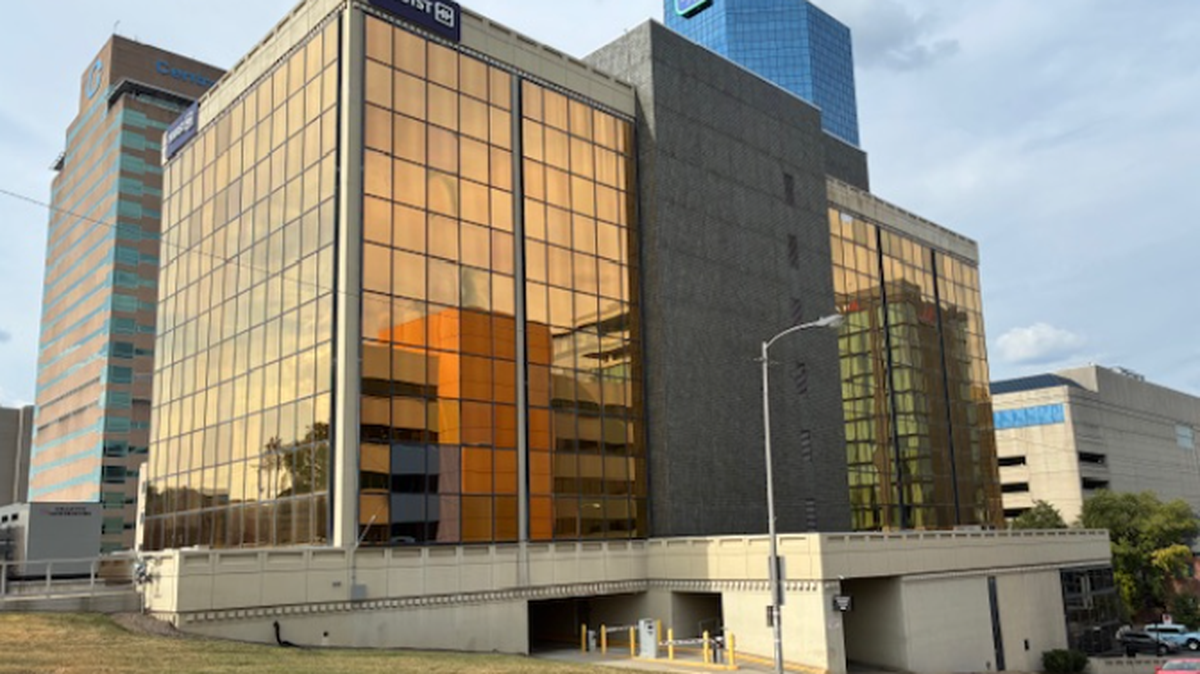
The council will give a first reading Thursday, Nov.20 to a resolution authorizing the administration to enter into an agreement with the Lexington Opportunity Fund for a public-private partnership to turn the former BB&T, now Truist, bank building at 200 and 260 West Vine St. into the city’s new government center.
The council will take a final vote Tuesday, Dec. 2.
The price is $86.6 million in construction and other costs. The city will have an annual lease payment of $3.5 million for 35 years. The city will pay the Lexington Opportunity Fund $30 million in cash upfront, which will come from a capital projects fund. At the end of the 35-year term, the city will own the property and improvements.
The total long-term expense for the city, including site acquisition, design services, construction activities, and financing principal and interest costs, is $152.5 million.
During a Tuesday work session, Councilwoman Liz Sheehan said she would not vote for a new city government center until Mayor Linda Gorton’s new task force on homelessness releases recommendations and funding options.
“That amount of money is very significant. I believe we are facing more pressing problems right now, and I believe our highest priority should be basic needs in our community, specifically affordable housing and decreasing homelessness,” Sheehan said.
Other council members said the city’s current building, a former hotel on Main Street completed in 1920, is too costly to maintain.
“It’s not a great use of taxpayer money,” Councilwoman Jennifer Reynolds said. “We keep pouring more and more money into this building.”
Some members of the public who spoke at the work session agreed the city had more pressing needs than a new government building.
Reva Russell English said she understands the need for a new building, but President Donald Trump’s administration is making dramatic cuts to social safety net programs, sending food insecurity and homelessness soaring.
“The economy is hemorrhaging jobs,” Russell English said. “People can’t afford groceries.”
Plans include a 104,000-square-foot building
The city government building plans include remodeling the current 94,000-square-foot bank and adding 10,000 square feet of additional space, city officials said. That addition would include a lobby and new meeting areas.
The council’s current chamber is small. People sometimes have to sit in an overflow area outside because there are not enough seats in the council’s main meeting area.
The current government center can also be challenging for people with mobility issues. To get into the front lobby, people in wheelchairs or those who use walkers have to use a small, mechanical lift to bypass the many stairs at the front entrance.
The new site includes a three-level parking garage with 286 spaces. Currently, those visiting city hall have to find parking in the nearby Helix LexPark garage or street parking.
The city has spent millions in recent years on fixes to the former hotel, including its parking garage and the building’s exterior. In 2019, the city paid more than $250,000 to rebuild the front entrance because the masonry was no longer connected to the building and it was deemed a safety hazard.
The estimated annual lease payment of $3.5 million is less than 1% of the city’s general fund. The general fund budget is currently $540 million, according to General Services Commissioner Chris Ford.
The $86.6 million price tag includes $23.6 million to purchase the property. That price was “negotiated and agreed upon based on the fair market value established by an independent appraisal,” according to city officials.
The $86.6 million figure also includes:
- $44 million for construction
- $3.5 million for design
- $7.1 million contingency (15% of total project costs)
- $5.7 million financing fee
- $2.7 million developer fee
The city has socked away more than $40 million in a capital reserve account to help buy a new space. The first $30 million will come from that fund, Ford said.
There will still be $10 million in that reserve account to pay for other projects, Ford said. One of the capital projects the city is considering is building a new homeless shelter. That $10 million could still be used for that project.
The $30 million upfront payment will keep the annual lease payments to $3.5 million, Ford said. That mark is something the city felt it could afford without having to cut other services, Ford told the council.
Nearly 40-year quest to find new city hall
The city released a request for proposals for a new government center in late 2024. In April, the city selected the Lexington Opportunity Fund, which owns 200 W. Vine St., from three submissions.
The city’s main government building is the former Lafayette Hotel at 200 E. Main St. That building was finished in 1920, and the city has been there since 1984. It was initially intended as a temporary space. City offices occupy other downtown buildings, as well, including an adjoining structure and the Phoenix building on Vine Street. The city would keep using the Phoenix building if it moved to the Vine Street location, officials have said.
The city has tried multiple times to move and combine its operations and has spent millions in maintenance and upkeep on the 1920 hotel building. During a September meeting, city officials said the space has more than $55 million in deferred maintenance costs.
Since 2016, Lexington has spent more than $475,000 on studies to cement the need for a new government building.
Past efforts to find a new government center have been fraught with problems. In 2018, the city got close when it nearly signed a lease agreement with a developer for the former Lexington-Herald-Leader building on Midland Avenue. That plan ultimately fell apart, and Fayette County Public Schools eventually purchased the building and combined many of its technology schools to one location. The $65 million Hill opened in June.
The Lexington Opportunity Fund is overseen by the Webb and Greer companies, which built City Center, a long-delayed downtown development that includes hotels, an office building and multiple restaurants.
This story was originally published November 20, 2025 at 5:00 AM.