
Lexington forgives $12M in medical debt. Here’s how to know if yours is paid off
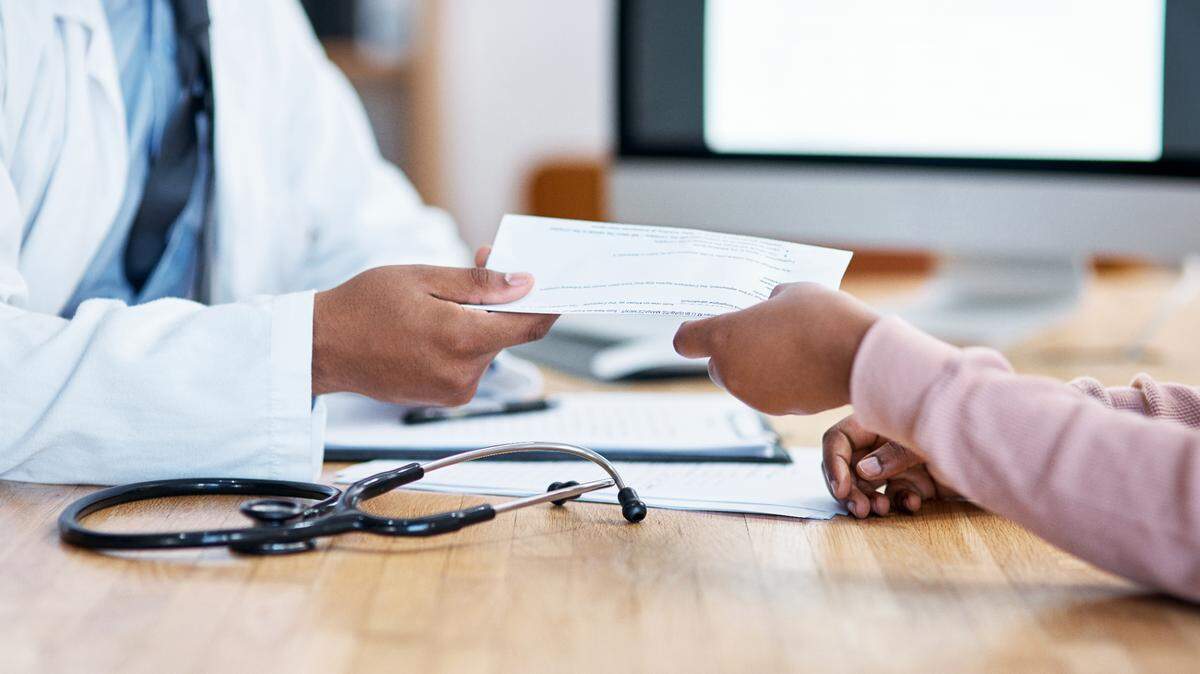
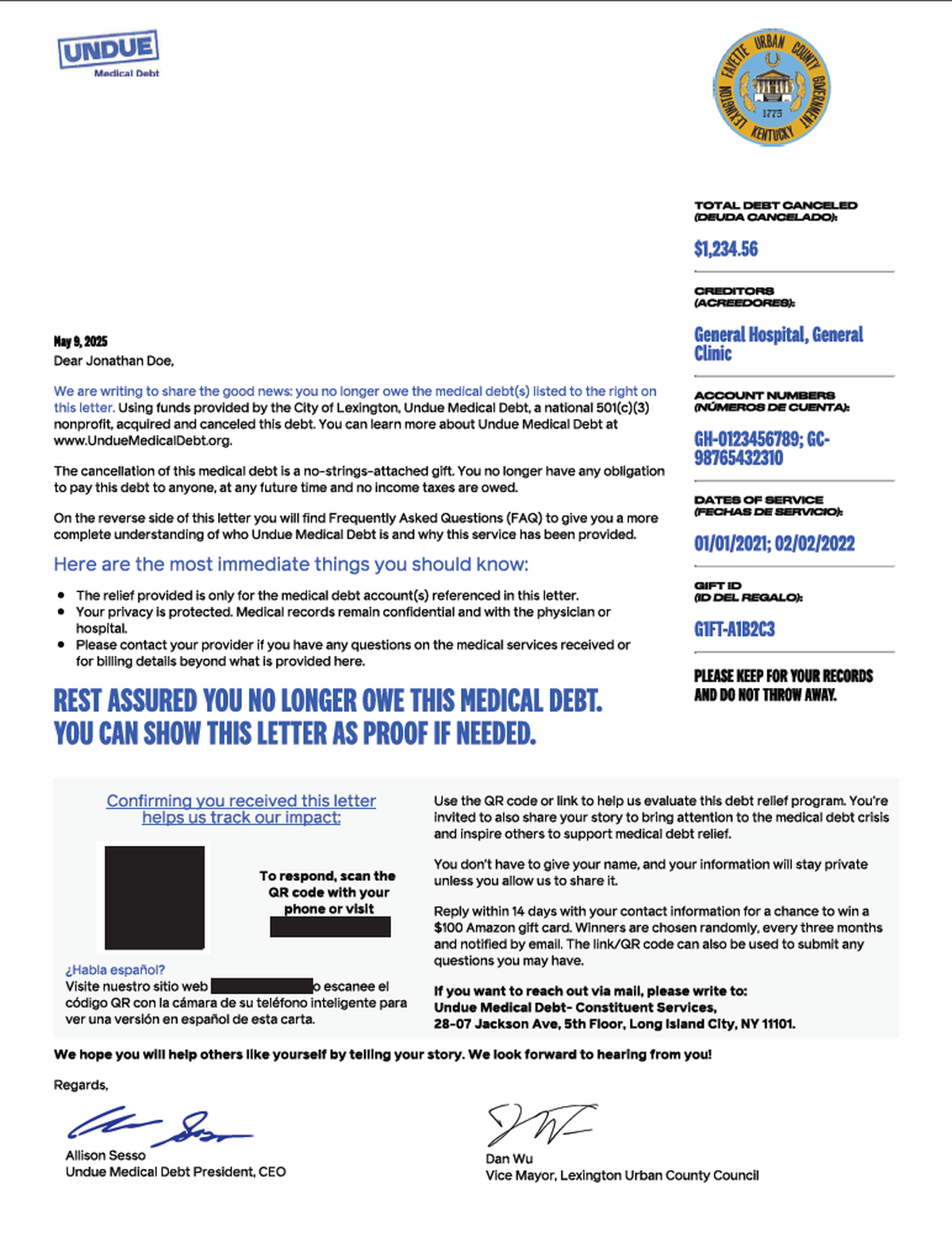
Some city residents may be in for a surprise from the Lexington Fayette-Urban County Government this week: a letter in the mail saying their unpaid medical debt has been forgiven.
Vice Mayor Dan Wu and other members of the council announced Tuesday morning that through a partnership with national nonprofit Undue Medical Debt, $12,641,416.24 in medical debt has been forgiven for 6,484 residents.
There is no application process for residents, nor any actions they need to take to accept the relief. Those who have had their debt forgiven will receive the letter informing them they no longer owe the outstanding balance of their overdue medical bills.
“Letters will be landing in mailboxes this week informing recipients of the relief. This is the real deal,” Wu said.
In 2024, the council allocated $1 million to purchase and forgive medical debt in partnership with Undue Medical Debt. The nonprofit estimates the $1 million can be used to forgive up to $90 million in medical debt for roughly 32,000 Lexington residents.
The Kaiser Family Foundation estimates 12 million Americans owe a combined $220 million in medical debt. Three million people have more than $10,000 in debt.
Aqsa Qureshi, a psychiatric physician assistant at UK HealthCare, told reporters she recently spoke with a patient who delayed seeking care because she thought she “couldn’t afford to get better.”
“She wasn’t just talking about money,” Qureshi said. “She was talking about hope, about the quiet, invisible pressure so many people feel when medical bills pile up. Folks who carry the burden of unpaid medical debt suffer financial hardship, mental strain, poor credit scores, and worst of all, do not seek much needed medical care.”
Medical debt can also be reported negatively on credit reports and affect credit scores.
Undue Medical Debt estimates 11% of Fayette County residents have medical debt on their credit reports.
Wu acknowledged forgiving medical debt is not a long-term solution to improving affordable access to health care.
“My intention was never to say, ‘let’s do medical debt relief, cut some checks, and walk away,’” Wu told the Herald-Leader.
“To me, the attention that we’re going to get from this first wave of medical debt (relief) is a way to put a spotlight on this issue.”
Qualified patients must live in Lexington and have medical debt totaling at or more than 5% of their household’s annual income, or have a household annual income at or less 400% of the federal poverty line, which is $106,600 for a family of three.
While local government has limited ability to change health care, Wu said he is exploring ways LFUCG can help connect people to existing, affordable health care services, like free and low-cost medical clinics.
Tuesday’s announcement is just the first round of debt forgiveness residents can expect. LFUCG’s contract with Undue Medical Debt runs for three years.
The group, founded in 2014, uses money from local government and support from donors to buy medical debt portfolios from hospitals, just like collection agencies do. Agencies can purchase debt portfolios at a price lower than the actual amount of debt, typically at a rate of one dollar for every $100 of debt.
But where a debt collection agency pursues payments from patients to earn profit, Undue Medical Debt forgives the debt on behalf of patients.
Each debt purchase is negotiated between Undue Medical Debt and a local hospital. The $12 million announced Tuesday is all debt owed to one specific Lexington hospital — although that hospital has chosen to remain anonymous.
Correction: This story was updated at 1:45 p.m. Nov. 18 to correct the spelling of a name. It was also updated Dec. 1 to include a new sample letter.
This story was originally published November 18, 2025 at 1:21 PM.