
Lexington fashion designer’s spring exhibit celebrates Latin American attire as art
AI-generated summary reviewed by our newsroom.
- Local artist Soreyda Begley is documenting Latin American dress via miniature garments
- MAVEN exhibit opens March 21, displaying her collection at Lyric Theatre
- Begley is partnering with other local Latin American artists and designers for the exhibit
Growing up in her native Honduras, artist and fashion designer Soreyda Benedit Begley spent most of her childhood drawing and making clothes for her dolls.
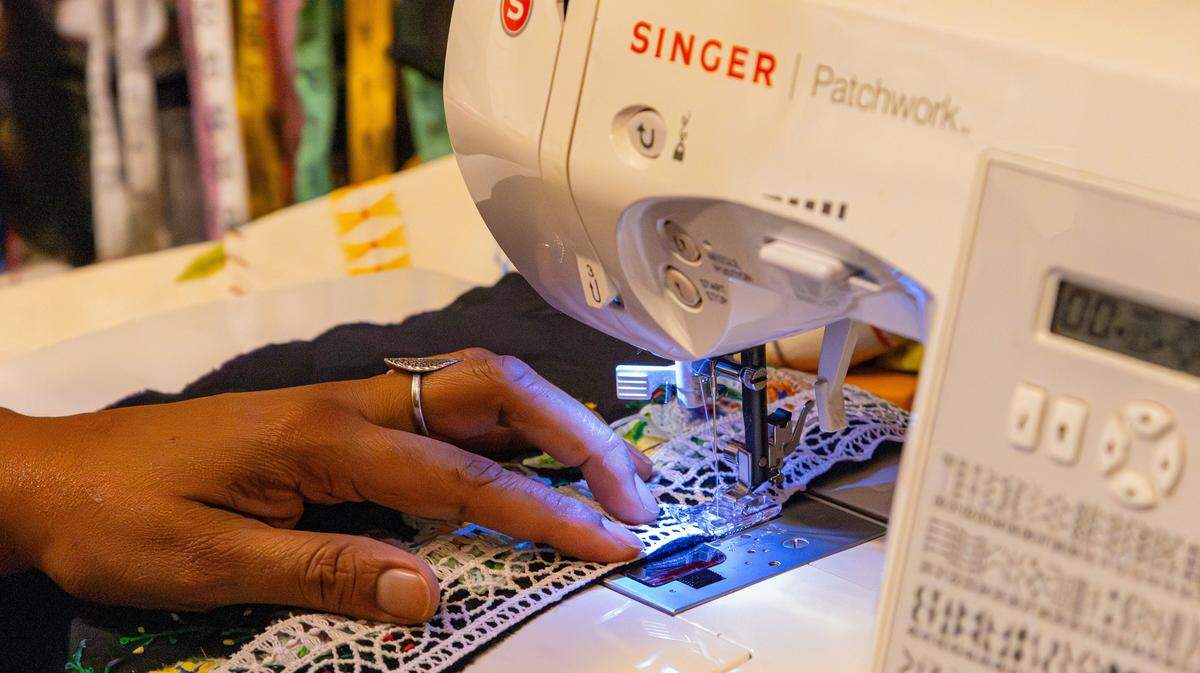
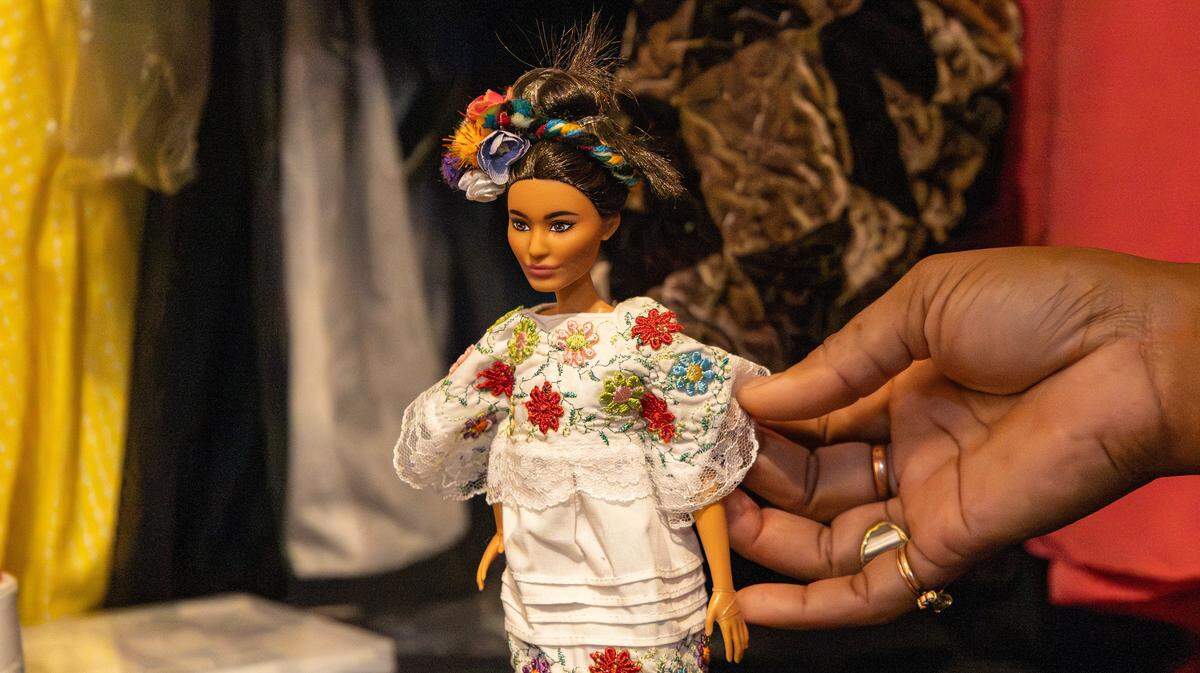
Decades later, after brutal work as a factory seamstress, immigration to the U.S., motherhood and years of late-night sewing, Begley, now a Lexington resident, is doing it again. She’s documenting Latin American cultural traditions through dolls and miniature fashion.
“Within each country, there’s different regions. They have different customs, and so my goal is to have as many as possible,” Begley said, describing the sweeping, oftentimes exhausting, effort in an interview with the Herald-Leader.
The project began as an art installation in 2020 to commemorate Hispanic Heritage Month in lieu of the Latino Festival canceled that year. With the help of a LexArts grant, Begley is expanding this cultural archive to a collection of 50 pieces.

She’s planning to display her body of work, titled “Wearable Culture,” at the Lyric Theatre and Cultural Arts Center in an exhibit with multiple artists. The exhibit opens Saturday, March 21. Called MAVEN, it’s curated by Brianna Armstrong and Jayda Johnson.
From the Andes Mountains to Central America, 22 Latin American countries are represented among Begley’s collection, which includes traditional, miniature male and female garments — all hand-stitched by Begley herself.
Throughout her work on the collection, Begley reports feeling awed by the skill and dedication Latin American cultures pour into even a single garment. It’s a contrast to her experience working in Honduran factories, which she began when she was just 14 years old. There, she performed the same stitch, repeatedly, day after day for months at a time.
“It was very soul crushing,” Begley said. “It was definitely not something that I could do for a long period of time because I’m a very creative person.”
Documenting disappearing traditions
What started in 2020 as a commissioned project from Lexington Parks and Recreation to create an art display for Hispanic Heritage Month is gradually turning into a cultural archive with Begley’s work.
Young people, particularly the children and grandchildren of Latin American immigrants to Kentucky, are particularly drawn to the collection, Begley said.
That’s because they often haven’t had the opportunity to travel widely and extensively in their parents’ native countries. Begley’s ultimate goal with the doll collection is to put it on display for the public, especially children. It will visit schools, libraries and universities in the area.

For the exhibit this spring, Begley is collaborating with her son, William, to design the dolls’ display. A computer engineer, William works installing museum exhibits. Additionally, Begley is working with photographer Andrea Marroquin to create a still-motion video of the dolls.
The scope of the project is daunting: Countries such as Peru, Guatemala, Mexico and Brazil are rich in culture. Mexico alone has more than 100 different custom styles of dress, Begley said.
“There’s so much to pull from there,” she said.
Deciding what to include and what to leave out takes careful discernment. Spain, for example, has a space in the collection, but a small one, Begley said.
“I cannot negate the influence that Spain has had in Latin American countries, but at the same time, I cannot center the work of colonizers,” Begley said.
Recreating the attire faithfully is also a challenge.
“Some of these garments are incredible,” Begley said. “I cannot exactly replicate them.”

In some parts of the Andes, for example, people process everything by hand, from raising the animals the fabric comes from to hand-dying and weaving what they produce.
A deep sense of purpose cuts through Begley’s work. In many places in Latin America, the flood of mass-produced, imported clothing threatens to drown out local styles of dress.
“In Honduras, for example, a lot of the traditions are dying out because there’s so much pressure from Western styles,” Begley said. “They’re basically eradicating the traditions because they’re so cheap. The locals cannot compete with imported items.”
But there is resilience there, too, Begley said.
“It makes me feel very proud of Latin America in general because people are so creative and so skillful and committed to their traditions at the same time,” Begley said.
Balancing work and life
There’s a lesson Begley has learned, particularly as a woman torn between pursuing success in her career as an artist and her dream of starting and raising a family of her own.
“You can have it all, but not all at the same time,” Begley said.
Begley has managed to juggle work and family responsibilities, but not without great dedication and effort. She describes days spent taking care of her children that ended in late nights or even all-nighters working on her craft.
“I always have managed to make time to do creative work and also to stay connected with the art community, because I absolutely love my artistic friends,” Begley said.
She’s been described as a connector, someone who weaves together social threads. It’s a job on its own, requiring time, patience and kindness.
“I have made an effort to know everybody because I want everybody to know everybody,” she said. “That’s how you build community.”
Art in this moment
As an immigrant artist, Begley said she wants to be present and to be visible. She wants people to see her humanity, and dare them to deny it, she said.
“We contribute. We are not leeches,” Begley said. “It’s just pushing and demanding at times for people to see our humanity.”
“That’s the way I use my work as an artist, as an organizer, is to represent my heritage,” Begley said.
