P.G. Peeples, titan of civil rights movement and ‘MVP of Lexington,’ dies
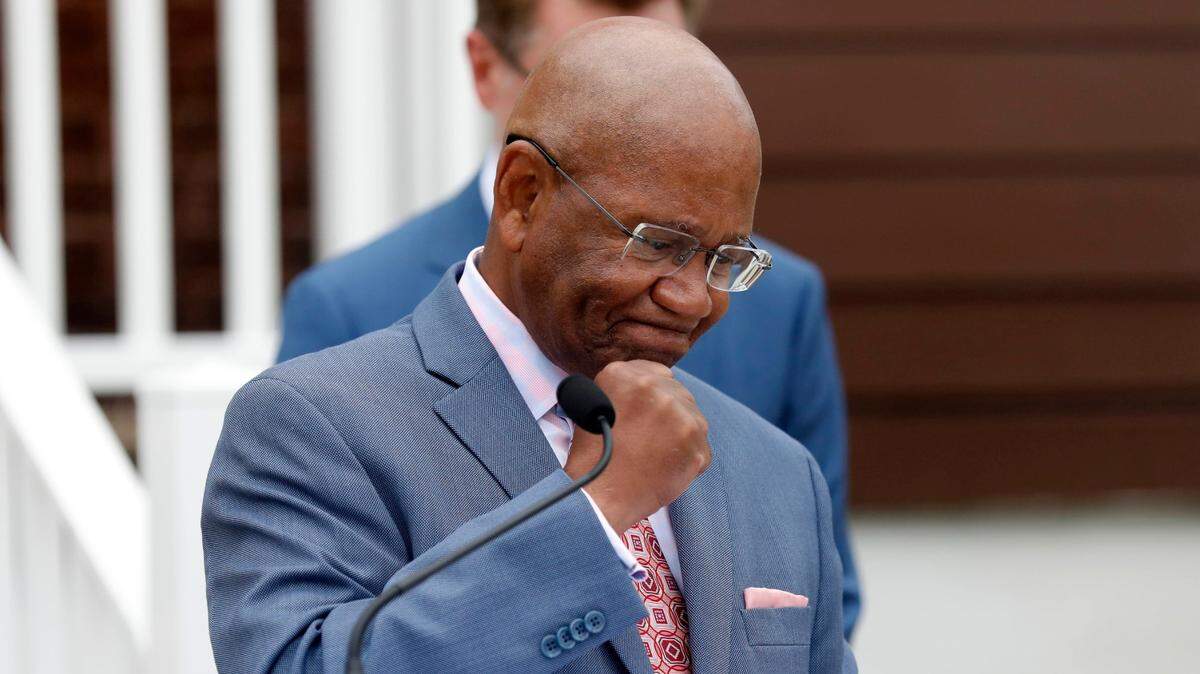
A Lexington civil rights leader who spent more than 50 years as the head of the Urban League of Lexington died Tuesday, April 28.
P.G. Peeples, 80, died at his office at the Urban League on Deweese Street, according to a statement from the Urban League.
“Mr. Peeples always knew that he would work until his last breath. He spent the day in meetings on affordable housing, which will be one of his many lasting legacies,” the statement read.
Peeples worked for 57 years at the Urban League, 55 of those years as CEO and president.
Peeples’ impact on Lexington stretched far beyond the Urban League and its mission. He pushed for equality in Fayette County Public Schools, the University of Kentucky, city government and other institutions during his more than half-century in public service.
“There is virtually no organization or business in this community that didn’t have a P.G. Peeples mentee in its office or boardroom,” the Urban League statement said. “He leaves behind not just a legacy but a grieving wife, son, daughter, siblings and staff, who worked alongside him for decades.”
He served on multiple boards and commissions, often working behind the scenes to forge consensus and nudge policymakers into making public and cultural institutions more inclusive and more equitable, those who worked with him said.
“There is no one who has been a more outstanding citizen of Lexington in the last 50 years, the MVP of Lexington,” said sports entrepreneur Jim Host in 2022 for a Lexington Herald-Leader article about Peeples. “In my opinion his greatest asset is his calming influence and leadership and role in civil rights.”
William Turner, author of the “The Harlan Renaissance,” grew up with Peeples in Harlan County.
“Whatever good measure of racial reconciliation the Lexington area enjoys is owed in large part to the work of Porter Geneal Peeples, of whom I am mighty proud to call my lifelong friend,” Turner said in 2022.
An avid UK fan, Peeples was also friends with former University of Kentucky Coach John Calipari.
“He leaves a legacy of bringing people together to move ALL forward. He was the President of the Urban League of Lexington and was one of the first people I met with,” said Calipari in a post on social media site X. “His accomplishments are too many to mention but the impact he had on people both young and old is amazing.”
Lexington Mayor Linda Gorton said she adored Peeples.
“Our city is a better place because of his strong leadership,” she said.
The two have known and worked with each other for decades, first meeting on a Fayette County Public School committee to improve educational outcomes for minorities.
“P.G. Peeples fought to make Lexington a better place for over five decades through the Urban League,” she said. “It was an honor to work with him to improve education, job training, housing and more.”
A coal miner’s kid from Lynch
Born October 29, 1945, Peeples was one of nine children raised in the segregated coal mining town of Lynch in Harlan County. His father was a coal miner for U.S. Steel.
But Peeples’ world stretched far beyond Harlan County. In the summers he was sent to live and work with relatives in Brooklyn. He worked at St. Lukes Hospital across the street from the home of the president of Columbia University, where he had a front row seat when students took over that home in the turbulent 1960s, he previously told the newspaper.
He attended Southeast Community College, now Southeast Kentucky Community Technical College, in Cumberland before attending the University of Kentucky.
He and Turner were two of about 50 Black students at the university at the time.
Racism at UK at the time was “very, very open,” Peeples wrote in a book commemorating the 50th anniversary of the Urban League. When he walked along Rose Street, he often heard the racial slurs coming from passing vehicles. He graduated in 1968.
At just 24, he was tapped by Harry Sykes, the first Black city commissioner, to head the still nascent Urban League of Lexington in 1972, becoming the youngest director of the Urban League in the country. Peeples had previously served as education director of the organization before becoming its executive director.
From typing classes to affordable housing and more
Since it began, the Urban League has established and managed programs to give the disadvantaged assistance. Under Peeples’ leadership, it expanded job training and education classes. It saw the need and began developing affordable housing decades before the Lexington-Fayette Urban County Government established its own affordable housing fund in 2014.
The organization has built more than 270 affordable housing units throughout Lexington.
“We needed to find a niche,” Peeples said in 2017. “As a minority organization we were struggling to raise money.”
In 1981, the Urban League formed a non-profit development corporation and bought four dilapidated shotgun houses on Chestnut Street, one of which was burned-out, from a Lexington lawyer for $5,000. They were completely renovated and resold to first-time homeowners.
As one house would sell, the Urban League would begin work on another. By 2006 it had built or renovated 159 single-family homes all over Lexington that cost an average of $73,396, according to a 2017 Herald-Leader article.
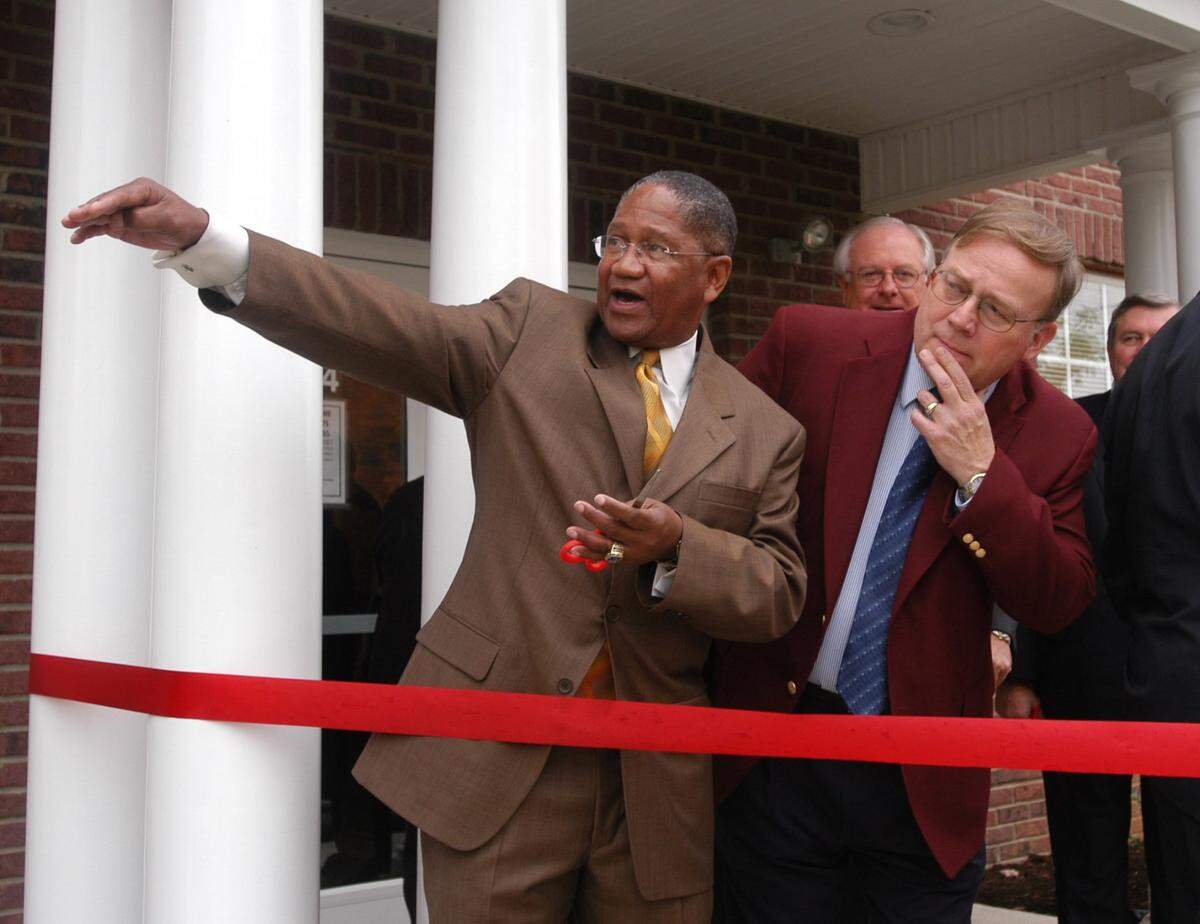
The Urban League’s Elm Tree Lane Apartments, with seven units for seniors, opened in 2003. The old Russell Elementary School on North Upper Street was renovated in 2012 into the 27-unit Russell School Apartments for seniors.
Peeples said much of the Urban League’s work to uplift those who needed help was dependent on relationships, oftentimes relationships Peeples worked hard to cultivate.
“Relationships are key,” he said in a 2014 Herald-Leader interview. “I have to have relationships with the corporate community for the funding of this organization. I have to have relationships with government entities to go for competitive grants. I have to have relationships with the faith-based community because I think we share the same mission: That is to make life better for people who are less fortunate. I have to have relationships with other agencies and be willing to support them. Relationships are key.”
A civil rights leader and advocate for justice
Outside the Urban League, Peeples worked to cultivate those relationships and push for change.
He served on dozens of boards including the Kentucky Housing Corporation, Bluegrass Airport, Blue Grass Community Foundation, St. Joseph Hospital Foundation, Commerce Lexington, Fayette County Education Foundation, the Kentucky Horse Park and Fayette County Schools Equity Council.
He also served as the chairman of the board of regents of the Kentucky Community and Technical College System.
Through that work, Peeples’ profile steadily grew.
“Our approach is to sit down and talk about it and talk through it,” he said in an interview with the Herald-Leader in 2014, when discussing how to get institutions and people to address racist policies.
Sometimes it meant taking to the streets to get people’s attention.
“The Urban League was the lead organization in forming the African American Education Coalition and the vote of no confidence in the Fayette County school system,” Peeples said. “We said, ‘Let’s talk,’ but we weren’t getting anywhere.”
A “no confidence, no trust” rally was held in June 2001 to protest equity issues in Lexington schools.
With a group of ministers, citizens and other organizations, the education coalition took its research to the Chamber of Commerce, showing the negative effects of an unequal educational system.
Soon the community got behind the efforts, and changes in the system were made. “We have a (school) board now that is attentive to the issues we were saying they need to pay attention to,” Peeples said.
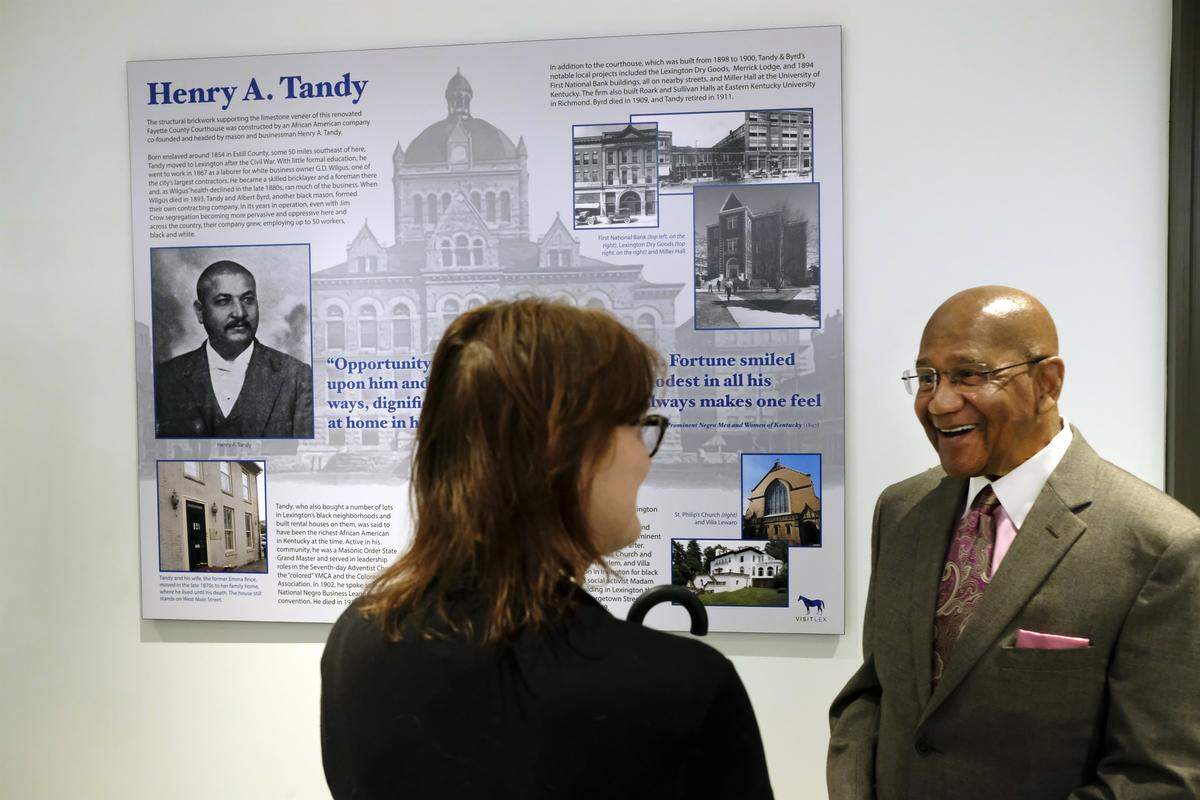
Peeples received numerous accolades over the years.
He has been inducted into the University of Kentucky College of Education Hall of Fame and the Kentucky Commission on Human Rights Hall of Fame. He also received multiple awards from the national Urban League.
He is the recipient of many awards and has awards named after him. In recognition of his achievements, the Fayette County Public Schools established the P.G. Peeples Equity Award in 2003. He was the first chairman of the districts Equity Council as well as a leader on the public schools Affirmative Action Council.
Urban League officials said funeral arrangements for Peeples will be announced at a later date.
This story was originally published April 29, 2026 at 11:47 AM.