
Proposed rules would put major limits on data centers in Lexington. Here’s what’s in them
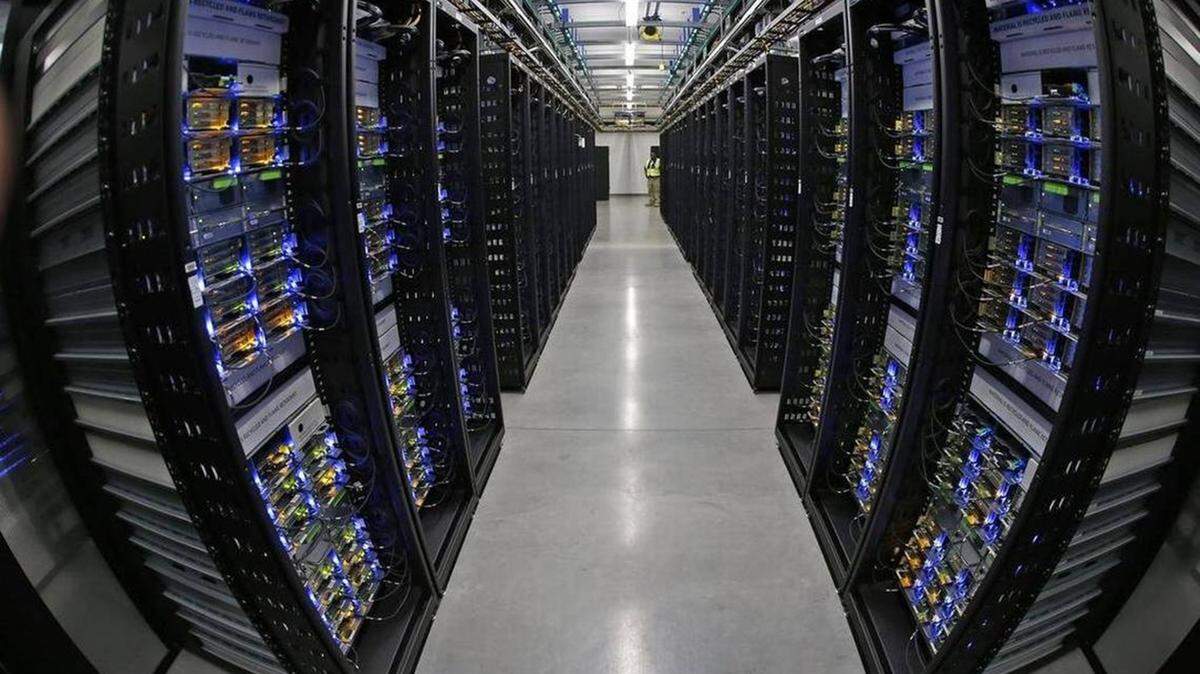
Lexington’s planning staff released a draft of changes it thinks the Lexington-Fayette Urban County Council and Planning Commission should adopt for existing zoning codes in order to define data centers, and where they can and cannot operate.
The 20-page draft zoning text amendment prohibits any data center from operating in agricultural zones and does not allow major data centers — those it defines as any larger than 50,000 square feet — to locate anywhere in Fayette County.
The amendment also outlines conditional use related to data centers, or the specific requirements a developer must meet to bend regular rules of the zone a property might be in.
The zoning ordinance text amendment process was initiated by council June 9 when it unanimously voted to have planning staff draft these rules. At the same time, council passed a moratorium on data center development in Lexington which paused permits, development plans and zone change requests until at least Oct. 31.
Those votes came days after the Herald-Leader reported a data center developer had purchased a former Lexmark property on New Circle Road and planned a long-term power capacity expansion and turning what was an IBM data center into one that could support artificial intelligence demand.
Last week, Council launched Engage Lexington, an online platform to collect feedback from residents on data centers. When it launched the platform, the draft amendment was not yet available.
On July 30, the Planning Commission will hold a public hearing on any proposed updates to the zoning ordinance text amendment before sending it to Council for final review.
What’s in Lexington’s proposed data center regulations?
The draft amendment defines a data center as all or portions of a building being used to store, manage, process and transmit digital data. They may also house computers and network equipment, servers, appliances and other components related to digital data regardless of whether the facility serves on- or off-site users.
The definition also says data centers may include air handlers, power generators, water cooling and storage facilities, power substations and other associated utility infrastructure to support operations.
Major data centers are those with more than 50,000 square feet of total floor area and may include one or more electrical substations. A minor data center is up to 50,000 square feet.
Server rooms are not part of the amendment’s definition of data centers.
Instead, they are defined as one or more designated areas that house computer and network equipment, servers, appliances and other hardware related to digital data that do not exceed 2,000 square feet, or 10% of the principal use, whichever is more.
According to the draft amendment, major and minor data centers would be prohibited in the county’s agricultural rural, buffer and natural area zones, or those areas used for farming, some tourism and single-family detached housing.
The amendment proposes major data centers, those more than 50,000 square feet, be prohibited in every zone, from the county’s agricultural and equine areas all the way to its downtown business corridor.
In warehouse business and light industrial zones —where wholesaling, storage and some manufacturing can take place — minor data centers are only permitted if their applications include:
- A water consumption plan that outlines the water requirements of the data center, including for cooling, and strategies that will be used to reduce or mitigate excessive water use. The water plan should also demonstrate the data center will not strain the county’s water supply;
- An energy consumption plan that estimates peak electricity demand and strategies that will be used to mitigate strain on local power infrastructure, including proposed improvements or alternatives to reduce the need for additional transmission lines;
- A transmission line impact assessment that identifies any need for new or upgraded transmission lines to meet the data center’s electricity requirements. The assessment should also include environmental impacts, including any possible needed tree removal from public land;
- A noise plan that complies with existing noise standards that require generators, substations and other power equipment to be fully enclosed. Those standards also say there can be no continuous sound above an average of 65 decibels over any 30-minute period between 8 a.m. and 6 p.m. or above an average of 55 decibels over any 30-minute period between 6 p.m. and 8 a.m.
The amendment also proposes no data center building nor its air handlers, power generators, water cooling and storage facilities, utility substations or other associated infrastructure be located within 1,000 feet of a residential zone or an agricultural zone outside the urban service boundary.
Data centers, according to the amendment, could not locate within 1,000 feet of a school, daycare center or other childcare service location.
The amendment also requires landscaping around the perimeter of a data center meet existing standards of 50 feet along all common boundaries.
Generator use at a data center, according to the amendment, should be limited to back-up and emergency use only when the primary source of electricity is interrupted or unavailable. Continuous generator use outside of power outages would be prohibited.
External ventilation ought to be designed in a way that does not result in heat generation or in a way that adversely impacts adjacent properties.
The amendment says server rooms are allowed as an accessory use in almost all but agricultural areas across the county including professional office, downtown business, light industrial and economic development zones.
.JPG)