
Last of chemical weapons waste destroyed at Central KY plant
AI-generated summary reviewed by our newsroom.
- Richmond, Kentucky, plant destroyed stockpile of 68,000 chemical warheads.
- Facility enters demolition phase after years of decommissioning and cleanup work.
- Closure results in 512 job losses; support includes job fairs and workforce outreach.
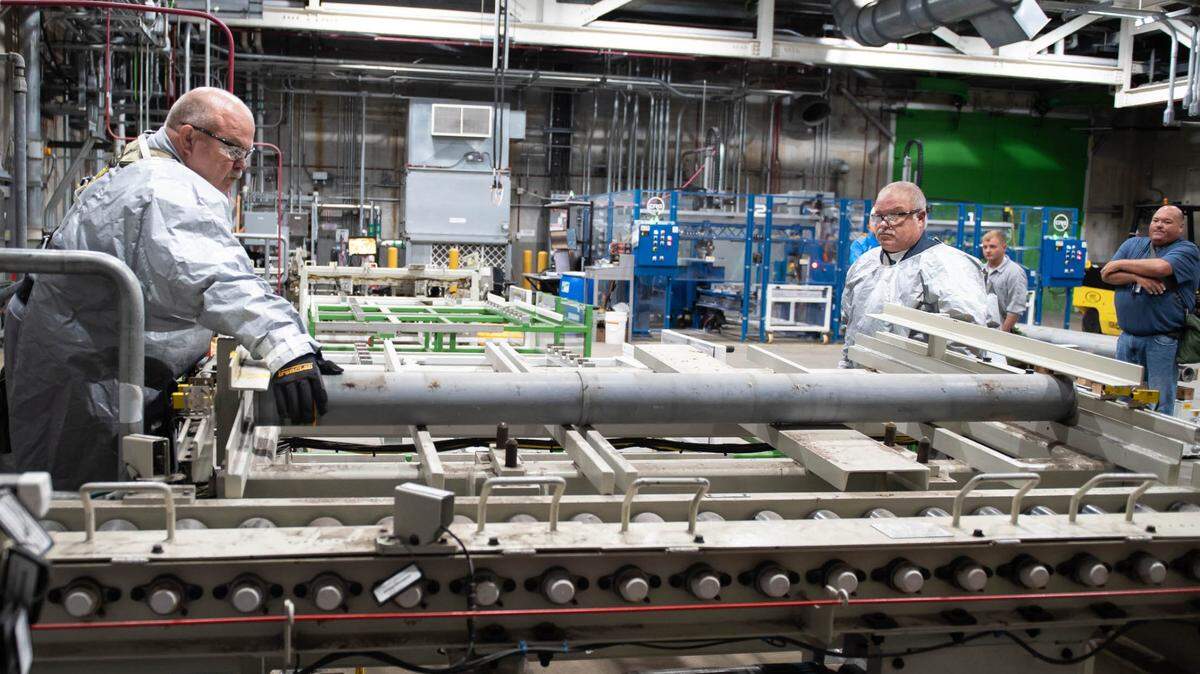
The last of more than 68,000 warheads containing chemical agent waste has been destroyed at the Blue Grass Chemical Agent-Destruction Pilot Plant in Richmond.
The Madison County plant began getting rid of World War II-era chemical weapons at the Blue Grass Army Depot more than five years ago. The plant is in a closure phase and is getting closer to demolition, said Mark York, communications manager for Bechtel Parsons Blue Grass, the joint venture that built and operates the plant.
At peak operation, between 1,500 and 1,600 people worked at the plant, York said. But as October approaches and decontamination and decommission work continues with demolition on the horizon, now less than 800 people work at the plant.
“Every day, we’ve been working ourselves out of a job,” York told the Herald-Leader in March. “It was never designed to be a continuing operation.”
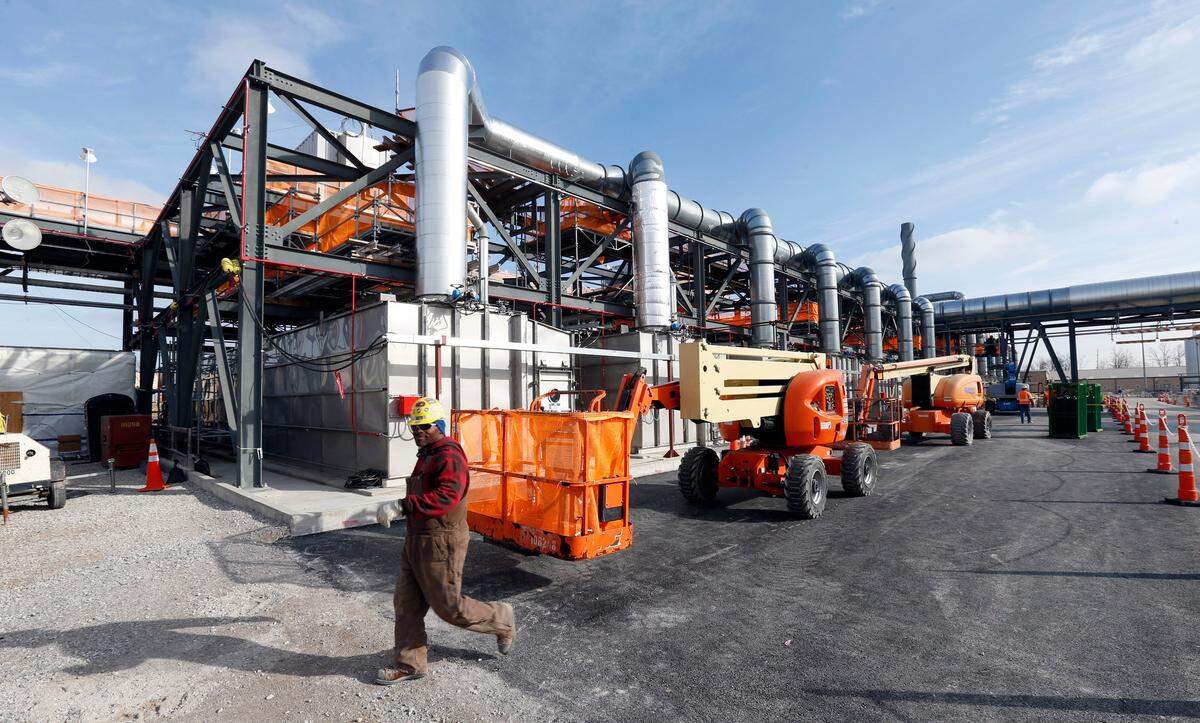
The last weapon in the nation’s chemical weapons stockpile was destroyed at the Richmond plant in July 2023 as workers separated the warhead from the rest of the rocket components.
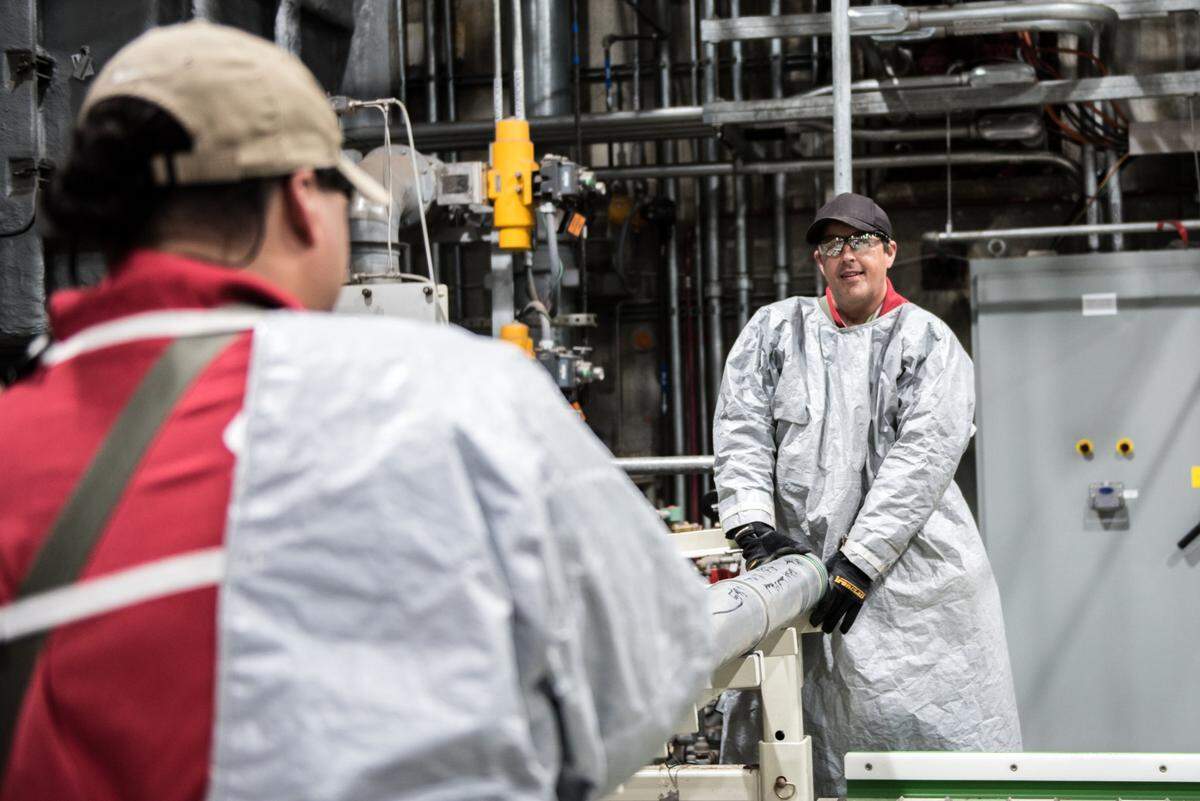
Holes punched in the warhead drained the GB and VX chemical agent, but some residual amounts remained. Then considered agent-contaminated secondary waste, the warheads were placed in metal containers in igloos where they were temporarily stored before being completely destroyed Sept. 11.
The Kentucky facility, the Blue Grass Chemical Agent-Destruction Pilot Plant, was built in 2014 for the specific purpose of destroying a chemical weapons stockpile at the Blue Grass Army Depot nearby.
The depot was build in 1941 where it stored about 2% of the country’s chemical weapons supply, or about 523 tons. A single ton weighs about 2,000 pounds.
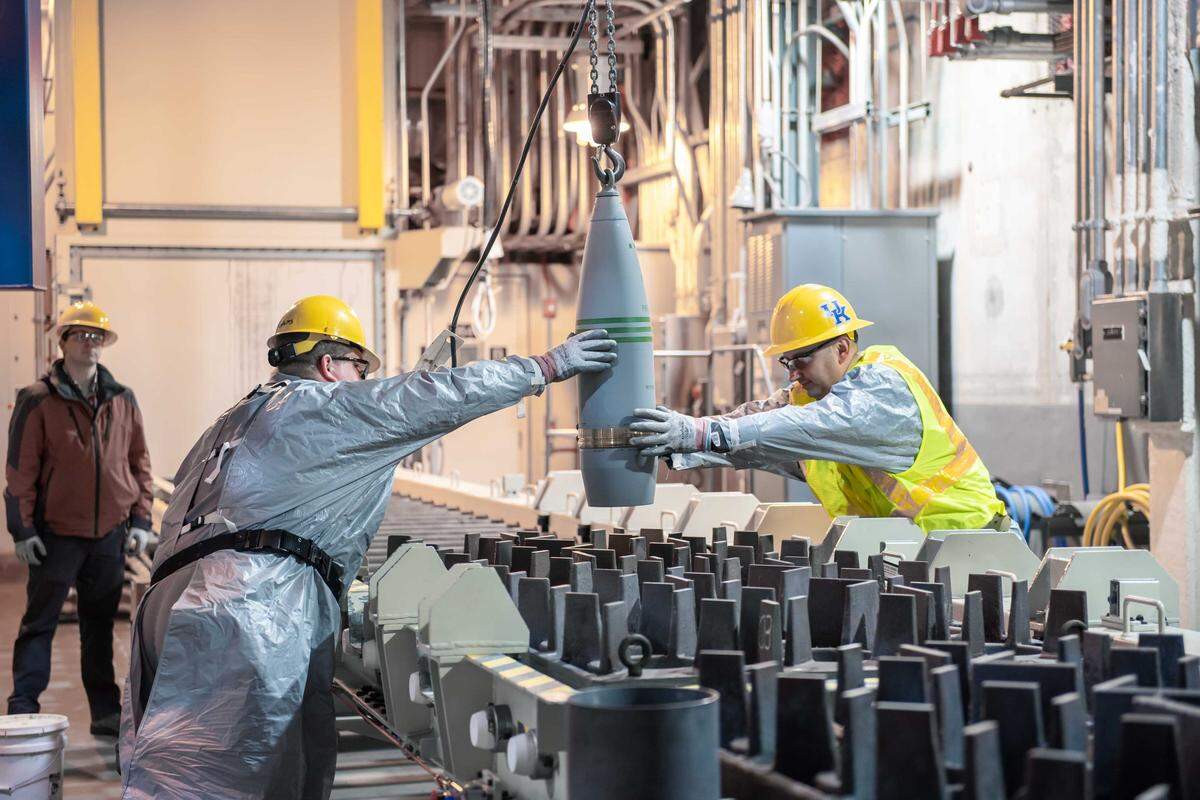
The warhead is the part of the M55 rocket that contains a liquid chemical agent with an explosive meant to disperse the agent over a wide area. Chemical agents GB and VX are the result of scientists in 1938 and 1952, respectively, doing pesticide research.
The insecticides were then recognized by German and British militaries for their potential to be a chemical weapon during warfare. Large quantities of both were stockpiled in WWII and immediately after, but have been seldom used. In 1986, Congress mandated all U.S. stockpiles of chemical weapons be destroyed, according to the Program Executive Office, Assembled Chemical Weapons Alternatives, which is responsible for the destruction.
“Our dedicated workforce overcame numerous technical challenges to safely complete the destruction of the rocket warheads,” said Bechtel Parsons Blue Grass Project Manager Joe Curcio. “Our attention has now turned to preparing for demolition of the facilities used to process the warheads.”
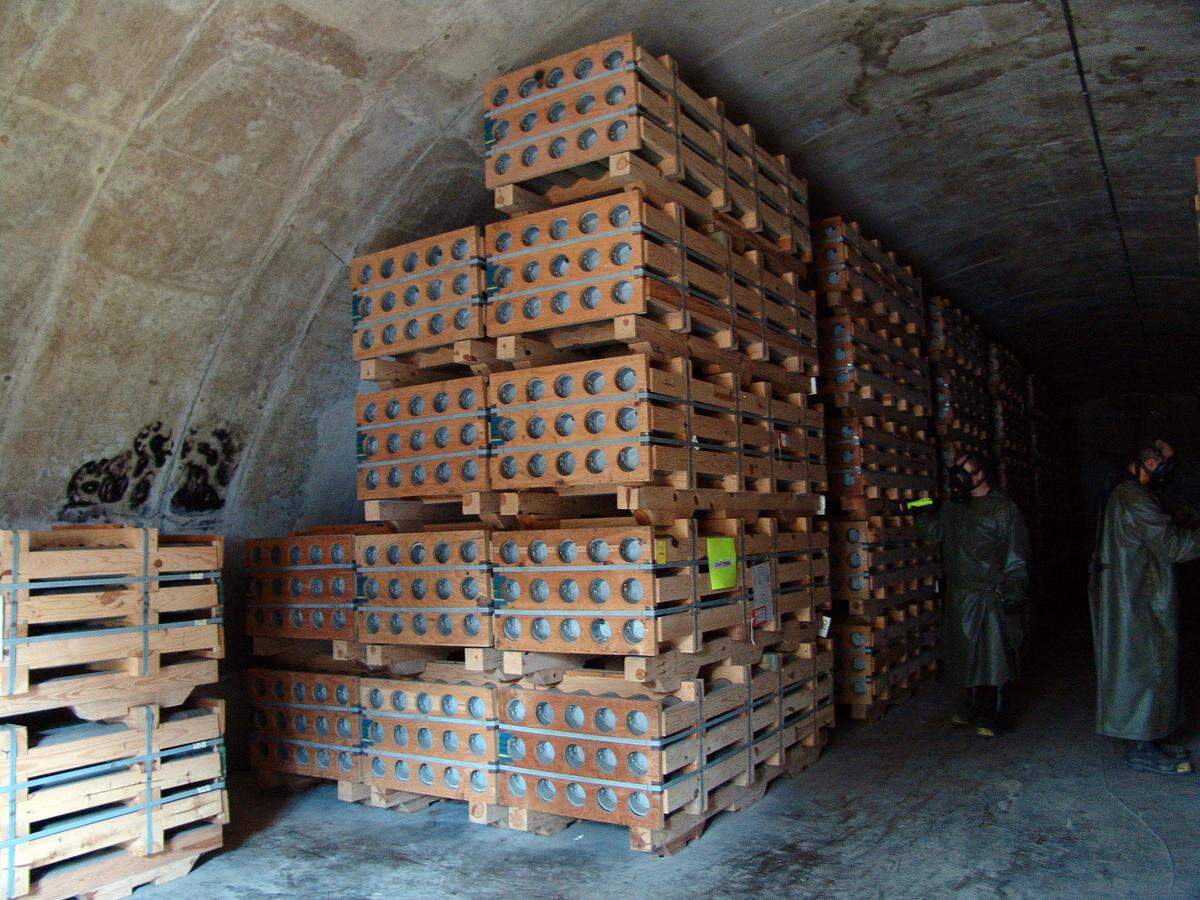
York said demolition of parts of the plant where a chemical agent has been is on track for sometime next year. Before that can happen, those still working at the plant are aiding in decommissioning and decontamination efforts by taking equipment apart and destroying some of it.
Those once employed at the plant are well-trained, follow procedure and “would be an excellent addition to any organization,” York said.
The first layoff notices were sent to some of the plants employees during the last quarter of 2024. This year, eight WARN notices, the federally required advanced announcement of workplace closures and layoffs, have been sent to the state’s Kentucky Career Center. According to those notices, 512 employees have lost their jobs as parts of the plant close.
“We’ve been working with the local communities, local government, helping to find those opportunities for our workforce,” York said. “We had a very successful job fair last month here in Richmond.”
York said some of the plant’s workers are retiring while others are taking jobs with one of the five contractors that destroyed warheads at the plant: Bechtel National, Parsons Corp., Amentum, GP Strategies and Battelle Memorial Institute.
.JPG)