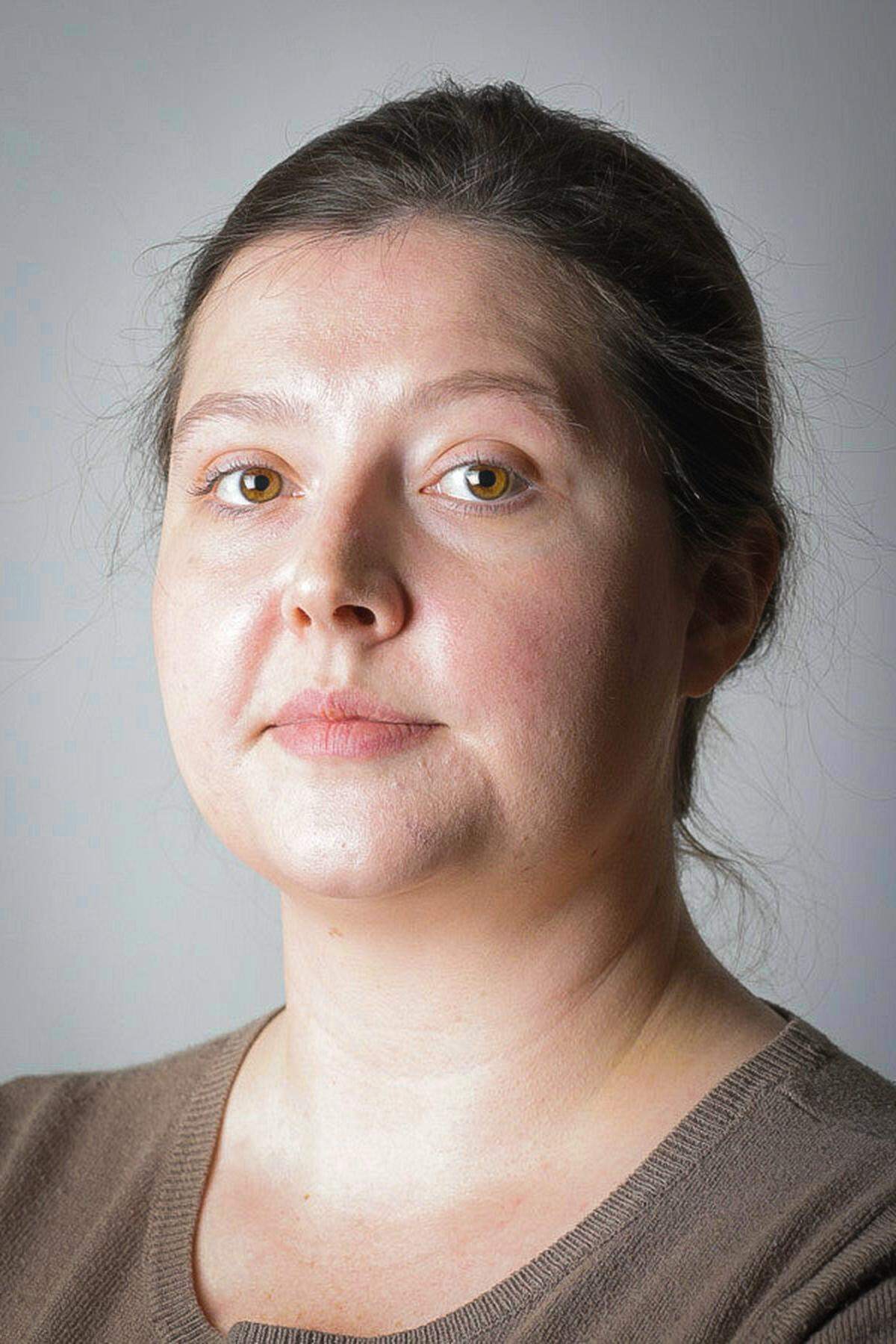
A plane flew cartel drugs into Lexington’s Blue Grass Airport. Jury convicts woman.
A woman has been convicted and three people have been acquitted of federal drug charges stemming from an investigation into 80 bricks of cocaine and 40 pounds of marijuana that was flown into Lexington in 2017.
After a 29-day trial and more than eight days of jury deliberation, jurors last week convicted Katharine E. Matthews, 41, of Los Angeles of conspiracy to distribute five kilograms or more of cocaine, conspiracy to distribute 100 kilograms or more of marijuana, and conspiracy to commit money laundering, according to court records.
Matthews was accused of partnering with Robert W. Carlson to run a conspiracy that moved thousands of kilograms of cocaine and more than 100 kilograms of marijuana from California to eastern states, according to the office of Robert M. Duncan, Jr., U.S. attorney for the Eastern District of Kentucky. Much of the drugs involved belonged to the Sinaloa Cartel and destinations included Lexington, Louisville, New York City, Atlanta, Miami and Charlotte, according to Duncan’s office and court records.
Those involved would then have money taken back to California to be given to the cartel, according to Duncan’s office.
Investigators obtained text messages and emails from Matthews and Carlson that showed they were in contact with at least two members of the cartel, according to court records. The text messages showed the group communicating as they arranged private flights around the country and picked up drugs.
Carlson pleaded guilty in 2018 to conspiracy to distribute five kilograms or more of cocaine and was sentenced to more than 16 years in prison, according to Duncan’s office. He admitted to planning and organizing the trip that resulted in the plane and drugs found at Blue Grass Airport in April 2017.
Matthews’ co-defendants at the recent trial, Robert Chipperfield Jr., Nader Sarkhosh, and Torrey Ward, faced the same charges she did and were acquitted by the jury Thursday, according to court records.
Chipperfield, 74, is a pilot who worked for a private charter company that Carlson hired, his attorney Caleb Mason said. Mason works with the law firm Werksman, Jackson and Quinn in Los Angeles.
Chipperfield’s attorneys argued that he did not know Carlson was smuggling drugs, and that he shouldn’t be held accountable for flying for a paying customer who hid drugs in luggage. Chipperfield was not the pilot who flew into Lexington the day of the April 2017 bust.
Carlson hired a number of different pilots from various sources.
Chipperfield took the stand during the recent trial and told jurors he did not know that Carlson was smuggling drugs on the flights, Mason said.
“The jury believed him,” Mason said. “That’s why we have a jury system, so they can look someone in the eye and judge their credibility.”
Ward is also a pilot and Sarkhosh owned or co-owned some of the planes Carlson used, according to court records.
It’s rare to have all four defendants take the stand in a trial and testify, but that’s what happened in this case, Mason said.
Carlson also took the stand at trial.
“Carlson was trying to work his way to a lower sentence and tried to blame as many people as he could,” Mason said. As a result, Mason said he believed there were people charged in the case who shouldn’t have been.
“When the full might of the U.S. government is turned against an individual … it can come close to ruining a person’s life,” Mason said.
Several others accused in connection with the conspiracy, including Isaac Basilio Rosas, and Cedric Allen Oronce Fajardo, previously pleaded guilty. Both pleaded guilty to conspiring to distribute five kilograms or more of cocaine.
Rosas was sentenced to nine years in prison in May 2018, and Oronce Fajardo is set to be sentenced later this year, according to Duncan’s office.
Corona Diaz, the man accused of supplying some of the drugs distributed by Carlson and Matthews, did not stand trial with the rest of the remaining defendants because he is in Mexico and has not been apprehended, according to court records from February. Diaz is allegedly a member of the Sinaloa Cartel, according to a filing in court by prosecutors.
Two others, Robert Earl Wallace and Kendra Michelle Caprice Tally, also pleaded guilty in connection with the case. Wallace is a private pilot who admitted to flying for Carlson after learning that Carlson was moving drugs, according to Duncan’s office. He will be sentenced in June.
Tally was a passenger on the April 2017 flight to Lexington. She admitted to knowing there were drugs on the flight, though she initially told Homeland Security agents she didn’t know, according to Duncan’s office. She was sentenced to three years of probation for lying to federal agents.
Matthews will be sentenced in August. She could face up to life in prison, but her sentence will be determined by the court.
“This investigation, and the resulting prosecutions, helped disrupt a major drug trafficking and money laundering organization operating across the United States,” Duncan said in the announcement. “The convictions are the result of hard work and dedication of the trial team and the investigators that brought this important matter to trial.”
Much of the trial was closed to the public as the COVID-19 outbreak prompted extra precautions to prevent its spread. Since the trial had started before an order halted all nonemergency events, it was able to proceed.
At one point, Judge Karen K. Caldwell had to order a hospital to test a party in the case who was showing symptoms of COVID-19, and the trial adjourned for a week until the test results came back negative, Mason said. During the trial, the court provided hand sanitizer to all the parties and gave masks to jurors, he said. There were no other points when anyone appeared to have or be at risk of getting the illness.
Duncan’s office expressed gratitude to the jurors involved.
“They were asked to observe testimony, review evidence, and then ultimately deliberate in the face of the COVID-19 pandemic, which undoubtedly added an additional level of difficulty,” Duncan said. “The court undertook health safety measures to limit and minimize potential exposure to the virus, and the jurors faithfully discharged their duty.”
This story was originally published April 27, 2020 at 8:22 AM.