Information from employees of Kentucky company used in $2 million tax scam
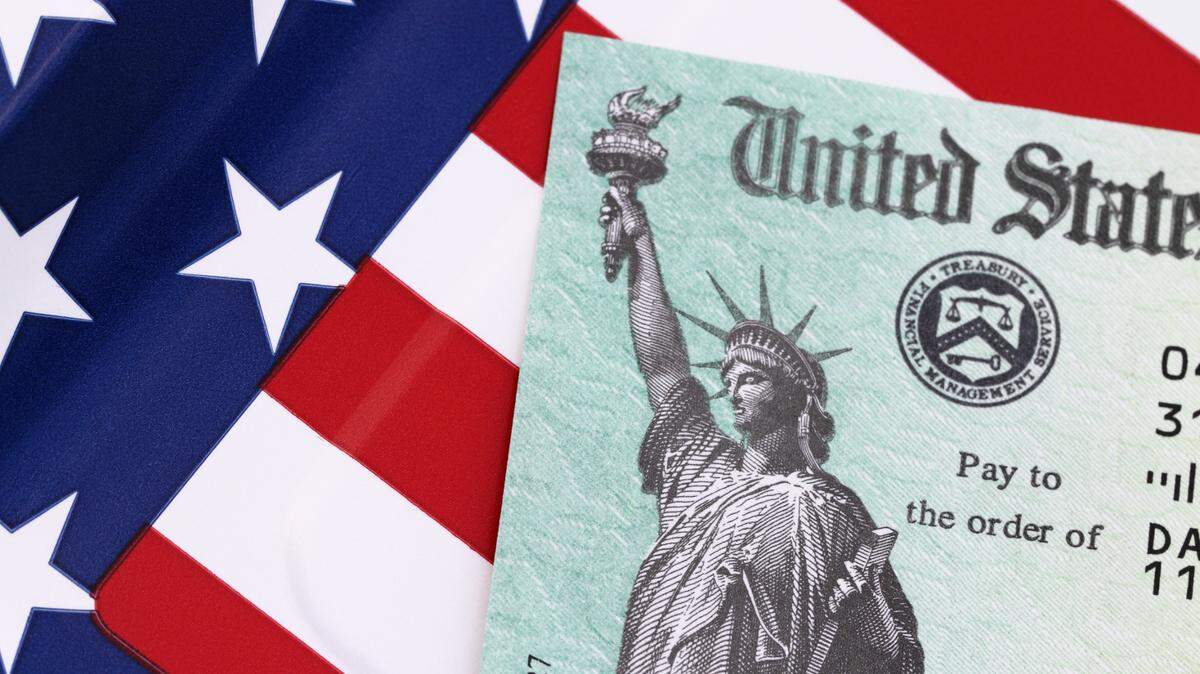
Three Texas residents took part in a scheme to file $2 million worth of false tax returns using identifying information from employees of several companies, including one in Kentucky, a federal grand jury has charged.
The grand jury in Lexington indicted Stephen Olewe, Hillary Kubwa and Earnest Taylor Jr., on charges of conspiracy to defraud the U.S. and aggravated identity theft.
The three lived in Harris County, Texas, where Houston is located, during the time of the alleged conspiracy between December 2016 to May 2018.
The scheme involved posing as an employee of a company and sending emails asking another employee to send back payroll information, according to the indictment.
The practice, called phishing, is a common scam to try to get personal information from individuals and companies that criminals can use.
The FBI said it received 467,361 complaints about internet-enabled crimes and scams in 2019, including phishing, and recorded more than $3.5 billion in losses to people and businesses.
The indictment in Kentucky said that Olewe and others involved in the scam used information on people employed by eight companies to file more than 500 fraudulent tax returns seeking more than $2 million in refunds.
The government lost more than $200,000 through fraudulent refunds, the indictment said.
The indictment did not name the companies, but said one was in Lawrenceburg. The others were in Ohio, New York, Texas, Colorado, Michigan and Florida, according to the indictment.
A prosecutor requested summonses directing Olewe, Kubwa and Taylor to answer the charges.
The conspiracy charge is punishable by up to 10 years in prison, and the aggravated identity charges by two years each.
The Federal Trade Commission has tips on avoiding being victimized in a phishing scam.