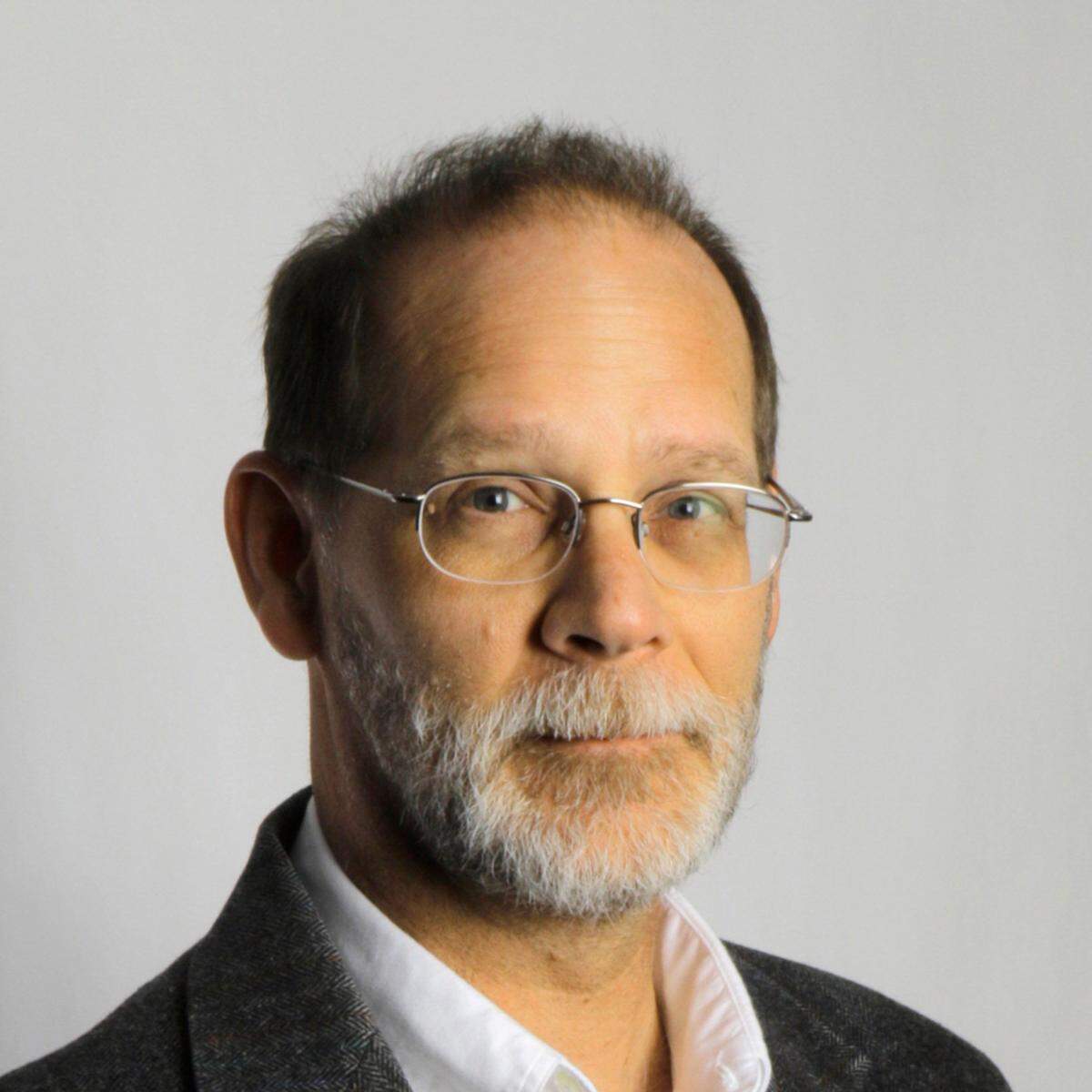
Doctor and drug dealer plead guilty in Kentucky case involving Tennessee clinic

A Tennessee doctor charged in a drug case in Kentucky admitted not doing proper medical evaluations and prescribing to excessive numbers of patients.
Matthew Rasberry pleaded guilty Tuesday in federal court in Frankfort to four charges of illegally distributing a controlled substance and one charge of engaging in a transaction involving money from illegal activity.
Rasberry was charged in a case involving a clinic in Campbell County, Tennessee — which is on the border with Kentucky — where doctors allegedly pumped out prescriptions for buprenorphine for people who sold or abused the drug in Kentucky.
Buprenorphine, often referred to by the trade name Suboxone, is a legal drug used to treat addiction to opioid painkillers such as oxycodone because it blocks withdrawal symptoms.
However, people often divert the drug to sell illegally. People use it to keep from getting sick when they can’t get other drugs, but the U.S. Drug Enforcement Administration says it can be abused to get high as well.
The business at issue in the case was called EHC Medical Offices PLLC, which had offices in Jacksboro and Harriman, Tenn., according to the indictment.
Rasberry is one of eight doctors who worked at the clinics at different times and are charged in the case, along with a nurse who helped manage the operation and two men who allegedly sold Suboxone in Kentucky after getting it at the clinics.
Rasberry started working at EHC in Jacksboro in April 2014. Nearly all the people who came to the clinic received buprenorphine, according to his plea agreement.
There were limits on the number of buprenorphine prescriptions a doctor would write, so EHC used a “rotating roster” of physicians in order to maximize patient volume, Rasberry said in his plea agreement.
Rasberry had no experience in addiction medicine. He started treating patients for opioid use disorder after shadowing another EHC doctor for two days and taking an 8-hour course.
The clinic scheduled such a high number of patients for Rasberry that the workload “often left him feeling rushed and sometimes caused him to spend less than appropriate amounts of time with some patients,” according to his plea agreement.
He sometimes treated patients with such speed that it rendered his medical care and decision making “illegitimate and outside the scope of professional practice.”
On Feb. 4, 2016, for instance Rasberry wrote prescriptions to more than 90 people, his plea document said.
Rasberry acknowledged he routinely made entries on patient forms saying he had performed medical evaluations he didn’t really do.
“This gave the impression that he was conducting more thorough patient encounters prior to issuing controlled-substance prescriptions than what actually occurred,” his plea agreement said.
‘Regularly falsified’
One form he said was “regularly falsified” at EHC was called an Addiction Specialist Consultation Note.
It recorded that an addiction specialist had reviewed the patient’s chart and prescription with the treating physician and come up with a treatment plan, but Rasberry knew the consultation didn’t occur, his plea agreement said.
In some cases, Rasberry signed off on buprenorphine prescriptions when another doctor had actually seen the patients. The other doctor had a criminal drug charge and couldn’t legally write prescriptions for Suboxone, according to the plea agreement.
As part of his deal with the government, Rasberry agreed to give up $398,574 tied to illegal activity.
One of the alleged Kentucky drug dealers also has pleaded guilty in the case.
Brian Bunch pleaded guilty to a charge of conspiracy to illegally distribute buprenorphine and benzodiazepines — anti-depressants such as Valium and Xanax — in and around Knox County.
Bunch said in his plea agreement that he used EHC Medical as a source of supply because he knew he could pay cash for the drugs “even though he was not legitimately being treated for substance abuse addiction.”
Related Kentucky drug case
Bunch admitted he also paid for other people to go to EHC to get prescriptions. He would get part of the drugs to sell, according to the plea document.
That arrangement, in which a drug dealer sponsors other people (often addicted to drugs) to get prescriptions for pills to sell, has been common in Kentucky.
Federal authorities have said carloads of people from Kentucky went to Tennessee to get prescriptions from EHC Medical.
The others charged in the case are physicians Robert Taylor, Evann Herrell, Mark Grenkoski, Kari McFarlane, Helen Bidawid, Stephen Cirelli, Eva Misra; Lori Barnett, a nurse who managed EHC; and Kentucky resident Elmer Powers, who allegedly possessed drugs in Knox County with intent to sell them.
Taylor owned EHC until 2018. The conspiracy allegedly ran from 2013 to November 2018 and involved illegal drug sales in Laurel, Knox and Whitley counties.
Taylor and the others charged in the case have pleaded not guilty.
In a related civil case, defense attorneys argued that Taylor’s clinics used proper, evidence-based procedures in treating patients and hired qualified doctors and addiction medicine specialists.
The case against the Tennessee doctors is related to charges against Calvin Manis, a former pharmacist and city council member in Barbourville who admitted his business filled prescriptions from people he knew were diverting the drugs to illegal sales.
Manis has not been sentenced.