Dispute between 2 groups of demonstrators highlighted in Lexington protester’s trial
A dispute between two groups of demonstrators amid racial justice protests in Lexington was highlighted during the second day of a trial for a protester who was arrested.
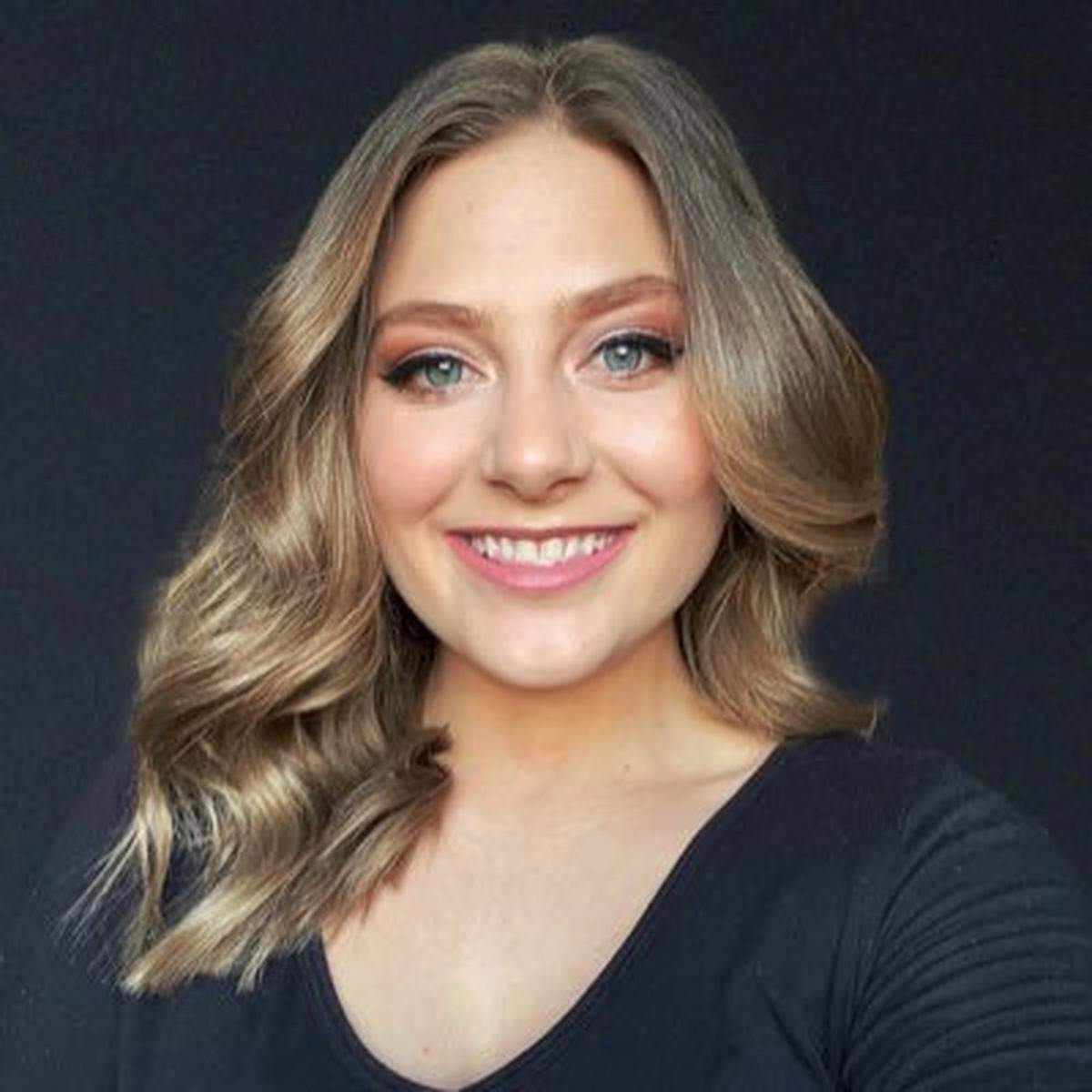
Sarah Williams, a community activist who organized racial justice protests in Lexington in the summer of 2020, is on trial this week for five misdemeanors after she was arrested while demonstrating.
In court Tuesday, Assistant Fayette County Attorney Diane Minnifield was called to testify about a march she helped organize in June 2020 which featured Lexington Police Chief Lawrence Weathers, but also featured a separate group of protesters, including Williams.
Members of Williams’ group, which disrupted Minnifield’s march, said at the time they were frustrated because they’d been protesting for 15 days but didn’t feel like they’d been heard. Weathers and other city leaders agreed to march with a group that was doing its first demonstration that day.
The march started at the Lexington Police Department and went to Southland Christian Church, where a forum on policing and race relations was expected to take place. Protesters from Williams’ group made counter-chants as participants in the scheduled march tried to speak. The disruption of the march ultimately led to a confrontation between Weathers and protesters.
While the confrontation was discussed in court, Williams was not seen in the confrontation with Weathers when bodycam footage was shown during the trial.
Minnifield said at the time of the march, she did not know Williams. It was not until the march began that Minnifield saw Williams, or her sister April Taylor, who began to march alongside them in the road.
“It was a public street, and they were just walking with us. Sometimes they would chant with us, or they would chant against us,” Minnifield testified.
She said she didn’t receive the counter chants from Williams or other protesters as “negative,” but simply a way of exercising her First Amendment rights to free speech.
“It wasn’t anything personal to me,” Minnifield said.
When the group finally arrived at Southland Christian Church, that is when Minnifield said she begin to hear discussion that individuals were going to make attempts to shut down the event. She said Weathers told her that the event may not happen due to safety concerns.
Minnifield said she made attempts to contact Williams and Taylor but the attempts went unanswered. However, she said she did not know if anyone else was able to speak with the sisters.
Minnifield said she told Weathers that if he felt unsafe, or felt he was unable to do his job, he could leave, but that she had every intention of continuing with the event. She added that the event did proceed. Mention was made of protesters outside of the church shouting as well as playing loud music.
Defense takes issue with march organizers not having permit
During her testimony, it was revealed that the original march was held without a permit.
Minnifield said she organized the march to coincide with the forum she organized as a member of the John Rowe Society, a chapter associated with the National Bar Association. She described the society as a local chapter of Black attorneys practicing in Central Kentucky with about 40 or 50 members.
She offered for the John Rowe Society chapter to lead a community discussion and “have people at the table that could make decisions or be part of a discussion.”
“I wanted clergy, legislators, mayor, the police chief, and community members and activists,” she said. The idea was for participants to walk from the police headquarters on the sidewalk to the Southland Christian Church where a forum would be held with community leaders and officials.
“Race, reconciliation and resolution” was the goal in the forum, according to Minnifield. She told the court she began organizing the event on May 29, and the event took place on June 13.
With a “quick turnaround” for the event’s organization, Minnifield said there was no official permit requested with the city.
The city of Lexington requires a special event permit to be filed and required for “runs or walks that wish to utilize a public road as part of the route.” A $50 application fee is associated, and other required documents, a minimum of 12 weeks prior to the event. This application will be submitted throughout city government departments for approval and cost estimates, according to the city’s ordinance.
She stated she was under the impression that their group would make the the 3-mile walk on the sidewalk and would not be blocking the road.
However she sent the route the group planned to take to Sheriff Kathy Witt, who voluntarily put cruisers out to aid the march.
When the event took place, members of the march could be seen walking out in the street along with others.
Williams’ attorney, Daniel Whitley, took issue with the group’s use of the street without a permit.
Minnifield confirmed in court Tuesday she did not have a permit to walk down the street, and that the “event was based through the church.”
“As someone who is friends with police officers, and an attorney working for Roberts, you did not get a permit?” Whitley asked.
“We did not have a permit, but we walked on the sidewalk,” Minnifield replied.
“Did you all stay on the sidewalk?” Whitley asked.
“Some wandered out into the street,” she confirmed.
“And Police Chief Weathers marched with you? In a march where you all did not have a permit to do so?” Whitley asked.
“Weathers did march with us.” Minnifield confirmed.
The next witness for the prosecution, Lexington police Sgt. Andrew Myatt, was also in the march. He said he accompanied Weathers because he knew things could become heated, and wanted to offer assistance.
Whitley asked Myatt in court if he knew they were walking without a permit. Myatt replied he did not, but was simply there to protect the police chief and public.
“So then did you participate in a police protest without a valid permit?” Whitley asked.
“I wouldn’t say I participated. I was there to protect the public.” Myatt replied.
“Then did you facilitate a protest with police officers without a valid permit?” Whitley countered.
“Yes,” Myatt said.
Other Lexington police officers gave testimony during the second day of the trial, and jurors were shown bodycam footage from the protests. Most of the discussion stemmed from the “die-in” event where individuals were arrested after lying on the ground in a barricaded area outside of police headquarters.
Several instances took place where both witnesses with Lexington police and the prosecutor’s office confused Williams with her sister. The defense has requested an admonishment be made to the jury that Taylor’s actions are not related to Williams’ case.
The trial is expected to continue Wednesday morning with jury instructions and closing arguments. Williams’ defense team plans to call no witnesses.