
Was Scottie Scheffler right to talk to the police? What to do (and avoid) if pulled over
Speaking to reporters Wednesday shortly after the charges against his client were dropped, the attorney for pro golfer Scottie Scheffler reiterated a piece of advice often heard from defense attorneys: Don’t talk to the police.
“Every person, regardless of if you are the best golfer in the world or just going to watch the tournament, you are one wrong turn or one encounter with a police officer going sideways — even if you do nothing wrong — from being charged with a plethora of crimes you didn’t commit,” Louisville defense attorney Steve Romines said.
Romines was referring to an encounter between Scheffler and police outside of the Valhalla Golf Club in Louisville last month. The incident occurred after Scheffler attempted to enter the golf club in the early morning hours of May 17. Police were working a fatal accident outside the club and Scheffler came upon heavy traffic.
Alleging Scheffler failed to comply with an officer’s instructions and “dragged” an officer to the ground with his moving vehicle, Louisville police arrested the world’s No. 1 golfer on his way to play in the PGA Championship hosted at the club.
However, video later released by Louisville police showed the officer running up to Scheffler’s vehicle to bang on his driver’s side window, casting doubt on the official narrative from police.
In the video, Scheffler appears to explain himself to the police, which Romines said police took advantage of to build a case against him.
“He is being interrogated after the most stressful situation of his life, and the officer is actually asking him leading questions and trying to get him to agree with him,” Romines said in one fiery exchange with a reporter. “That’s why you don’t talk to the police, because they are going to try to put words in your mouth, and that’s exactly what they did.”
While that seems like blanket advice, the reality of encounters with police is rarely so cut and dry.
People stopped by the police often have to weigh the competing priorities of protecting their constitutional rights and protecting their safety. For people of color disproportionately killed by police, the stakes can be even higher.
To get at some broad do’s and don’ts and best practices for police stops, we spoke with public defender Chris Tracy, Bluegrass regional manager at the Kentucky Department of Public Advocacy. Here’s some information to help you make the right decisions when you’re stopped by the police, both to protect your physical safety and mitigate your chance of landing in legal hot water.
It’s worth remembering these are broad tips and not specific legal advice. For that, you need to consult with an attorney.
How to handle police stops
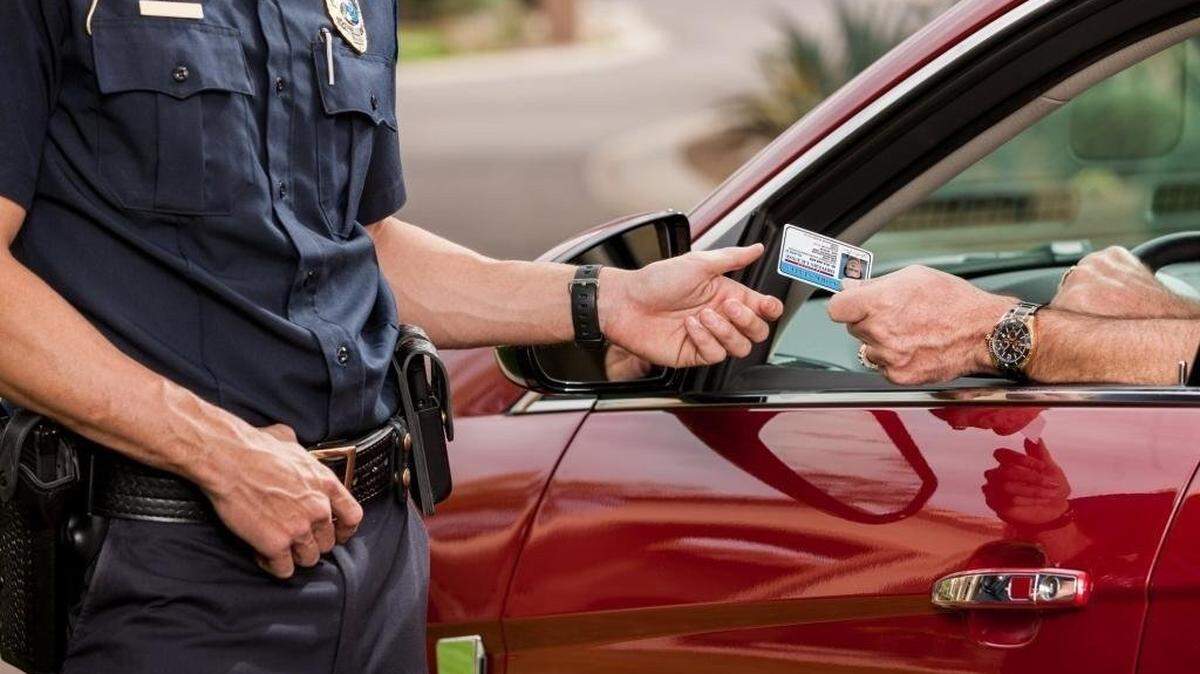
When you’re pulled over by the police, there are a few do’s and don’ts you should always keep in mind. You may have heard these before, but they bear repeating because being stopped by law enforcement can be stressful and emotions can run high.
Be calm, cool and in control of your words and actions. Now is not the time to let your emotions be in the driver’s seat.
Pull over immediately or when you reach a safe place to do so.
Turn off the vehicle.
Place your hands on the steering wheel.
If it’s nighttime and dark out, turn on the interior light of the vehicle to show the officer you’re not armed.
According to Tracy, “you want to act in a way that doesn’t give a police officer a reason to use force against you or make them suspicious of your intentions.”
Apart from protecting yourself, your actions can be used against you later in court. Think about how your conduct could be perceived by a judge or jury when described by a police officer.
Do I have to consent to a search?
If you’re stopped by the police, and the officer asks to search your vehicle, you might feel inclined to grant permission, but according to Tracy, doing so almost never works in your favor.
“I don’t think there’s any real reason to ever allow a cop to search your vehicle because they asked. There’s really nothing to win,” Tracy said.
While you may truly have nothing to hide and believe consenting to a search of your vehicle might end the encounter sooner, you can never be certain the officer won’t find anything illegal. Sure, it sounds unlikely, but it happens more often than you might think.
“You could think you have nothing to hide in your car,” Tracy said, “meanwhile, your high school kid got in there over this past weekend and left his bag of weed somewhere you haven’t seen it.”
If that’s the case, you’ll have a difficult time explaining to the officer the bag of marijuana isn’t yours. In addition, if they damage any of your property during the search, you might not be compensated, because after all, you agreed to the search.
Refusing to let the police search your property is not an admission of guilt, and you do not have to consent to searches. That doesn’t necessarily mean the search won’t happen anyway, but it does grant you a measure of protection.
In many cases, when police ask for permission to conduct a search, it’s because they don’t have enough evidence to search without your consent. Your Fourth Amendment right, like other constitutional rights, may be waived. Don’t get tricked into giving up that right.
If the officer searches your car anyway and finds something illegal, your lawyer can make the case the contraband was discovered through an illegal search and that the case against you should be dismissed.
However, if you grant permission to begin with, in the eyes of the law, it’s a legal search. If you don’t want to consent to a search when an officer asks if they can take a look around, it’s best to politely tell the officer, “I do not consent to searches.”
Should you talk to the police?
If you’re stopped by the police, you should determine whether you’re being detained or are free to go. You can do this by posing the question to the officer: “Are you detaining me or am I free to go?” If the officer doesn’t let you go, you are being detained.
If you find yourself being interrogated or are placed under arrest, you have the right to remain silent under the Fifth Amendment.
The catch is you have to verbalize you are invoking your right to remain silent. In some situations, police may use your silence against you as incriminating evidence. This is why it’s important you tell the police you’re going to remain silent and ask for a lawyer — then, shut your mouth and keep it closed until you speak with an attorney.
While you may feel like you can easily clear things up with the police, remember everything you say can and most likely will be used against you in court. So do yourself a favor and ask to speak with a lawyer and remain otherwise silent.
Herald-Leader Politics and Public Affairs Editor Tessa Duvall contributed to this story.
Do you have a question about the law in Kentucky for our service journalism team? We’d like to hear from you. Fill out our Know Your Kentucky form or email ask@herald-leader.com.
This story was originally published June 3, 2024 at 7:00 AM.