EKY oil-well owner pleads guilty to dumping toxic waste into stream to ‘save money’
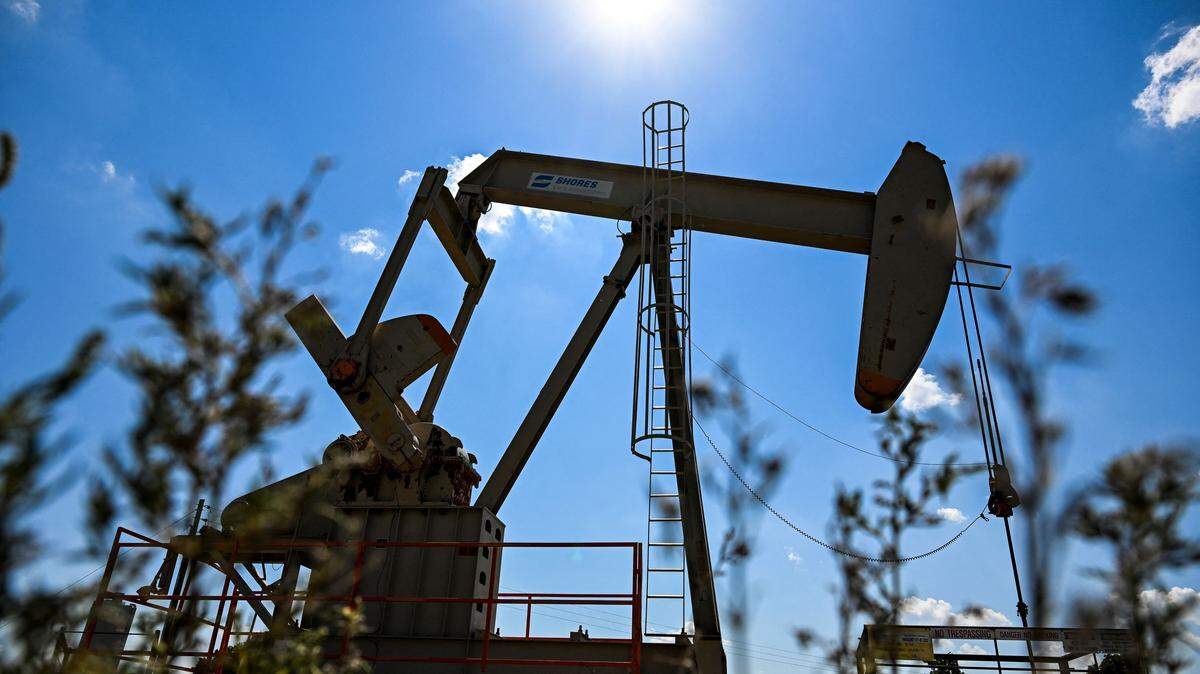
A Lawrence County oil-well owner pleaded guilty in federal court this week to illegally dumping toxic brine water byproduct into a creek near his home to save money.
Josh Ferguson, 42, of Martha, admitted to connecting a hose to a metal brine tank near two oil-producing wells in 2023 and allowing the waste to flow directly into the left fork of Blaine Creek for at least two years.
Kentucky Department of Environmental Protection investigators received a tip last fall about illegal discharge into the creek and found a hose attached to the storage tank during an inspection of the property. Investigators followed the buried hose through a field to a point along the stream bank and witnessed wastewater actively flowing out of it.
Investigators saw orange water downstream of the dumping site and no signs of aquatic life. Water samples taken from the area indicated extremely high chloride levels, which pose a risk to people and wildlife, prosecutors said.
“Dumping oil-production waste into Kentucky waterways to save money is both illegal and unacceptable,” said Jason Parman, first assistant U.S. Attorney for the Eastern District of Kentucky, in a statement announcing the plea Thursday.
Blaine Creek forms Yatesville Lake, west of Louisa, a 2,300-acre U.S. Army Corps of Engineers mountain reservoir popular for boating, fishing and swimming. Yatesville Lake State Park is situated on its eastern shoreline.
Brine water, also known as production water, sits in rock pores at depths where oil and gas is extracted — the byproduct of ancient seas that have been trapped by millions of years of geological development. The water is often 10 times saltier than the ocean and becomes hazardous when concentrated in storage tanks or settling basins because heavy metals, hydrocarbons and radioactive material builds up over time.
When released at the surface, oil and gas brine water can leave an inhospitable trail in its wake. Plants can’t grow in soil that salty and freshwater aquatic species are poisoned by leftover hydrocarbons, metals and the high saline content. The U.S. Environmental Protection Agency puts strict limits on brine water discharge, especially near public drinking water supplies.
Oil and gas operators usually dispose of brine water either by injecting it back underground underneath drinking water aquifers or paying operators to truck it away. Both options can be expensive, and Ferguson told a Kentucky DEP investigator he opted to dump the water into the stream and bury the hose underneath a field to “save money,” according to a copy of a plea agreement reviewed by the Herald-Leader.
Ferguson did not have a National Pollutant Discharge Elimination System permit for the effluent wastewater, a violation of the Clean Water Act.
“These ongoing discharges threatened the public and aquatic life downstream — putting profits over people and the environment,” said Leslie Carroll, acting special agent in charge of EPA’s criminal enforcement program in Kentucky. “Clean water is one of Kentucky’s most valuable resources, and it must be protected.”
Ferguson is scheduled for sentencing in August. He faces a maximum of three years in prison and a minimum fine of no less than $5,000 per day of violation, but sentencing guidelines are subject to the court’s discretion and the terms of his plea agreement.
Lawrence County sits on a lucrative oil and natural gas deposit that extends southward from Ohio and Pennsylvania along the Ohio River basin. The county had about 550 active well sites as of 2024, according to Energy and Environment Cabinet’s Department of Natural Resources.