
‘Adapt as artists.’ KY Governor’s School for the Arts goes virtual for the first time
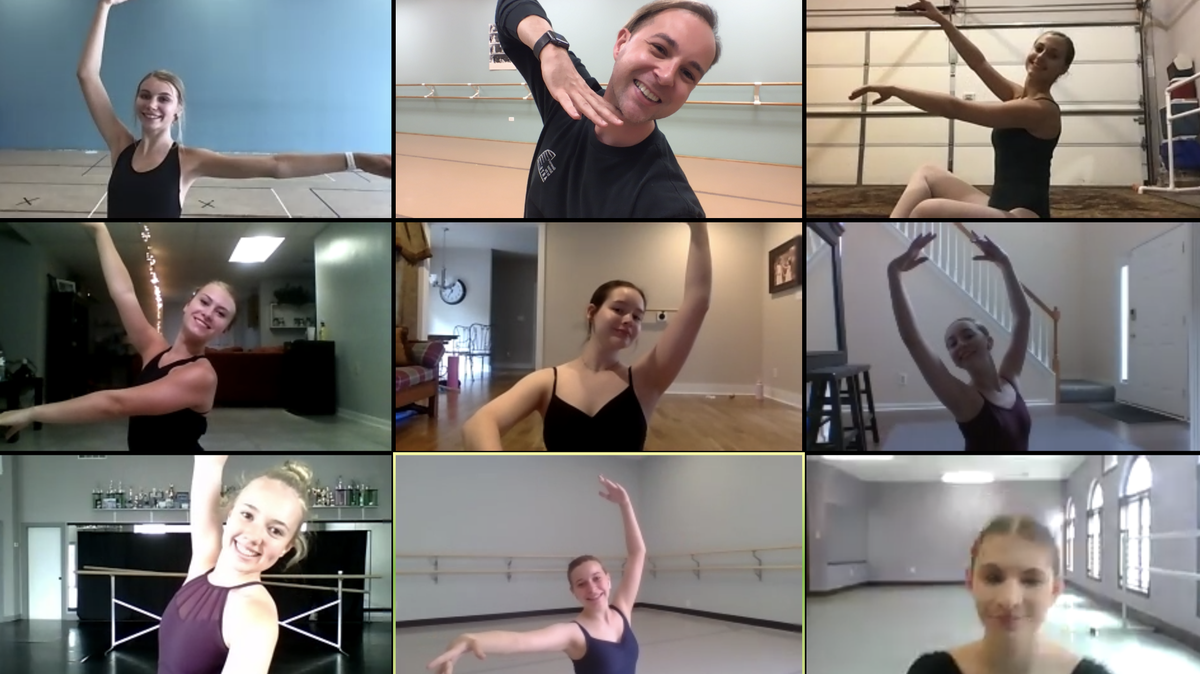
Architecture and Design student Joe Ammons said his initial reaction to a virtual Governor’s School for the Arts, like many others, was disappointment.
“I didn’t think that I would be able to get as much out of the program as if I had went in person,” Ammons said. “But all you can do when you’re sad is be sad . . . this was an opportunity for us to learn how to adapt as artists.”
The annual Governor’s School for the Arts (GSA) program brings together the best and brightest high school artists from Kentucky for three weeks of instruction, collaboration and experience in various art mediums: architecture and design, instrumental music, vocal music, drama, creative writing, dance, film and photography, musical theater and visual art.
The public/private partnership founded by the Kentucky Performing Arts, the Commonwealth of Kentucky and many private supporters is in its 34th year. It was originally supposed to take place on UK’s campus, where the 256 accepted students from 55 counties would stay for the program’s duration.
GSA Director Nick Covault said that while they considered postponing or canceling GSA, it never felt like a real option once they considered how hard students had worked for the opportunity.
“The question quickly became not whether we have GSA, but how,” Covault said.
The three-week virtual program is using Zoom technologies to hold classes and activities from June 29 to July 17. In light of its online nature, Covault said the program shifted its schedule from intensive weeks, with activities from 9 a.m. to 10 p.m. seven days a week, to about six hours of instruction and activities Monday through Friday.
For dance student Sydney Dunbar, who started dancing at 3 years old, GSA has been nearly a lifelong goal. She said while she was bummed it was virtual, that wasn’t a deal-breaker for her.
“When I was little, I remember a girl from my studio getting accepted and right then I was like, ‘This might be something I want to do,’” Dunbar said. “There was never a doubt in my mind . . . it’s just too good of an experience and an opportunity to pass up.”
Despite the circumstances, GSA has been offering various opportunities outside of class for students to virtually connect with each other across disciplines, such as coffee house shows, the RA program, collaborative projects between different art groups and a program-wide daily webinar with guest presenters.
Creative writing student A’Taijah Burrus said bonding with other artists, specifically her creative writing Instagram group and her RA group, has been a highlight of the program. Normally, students who live on the same dorm floor are part of an RA group, so they weren’t necessary for the virtual program. However, GSA decided they were important enough to preserve, Covault said.
In their final week, Burrus and the other creative writing students will create a collection of their art called a chapbook that will serve as a culmination of the knowledge and inspiration they’ve gained throughout GSA.
“There are so many talented writers in our group and I can’t wait to read every single one,” Burrus said.
Covault said that one of the greatest values of GSA is empowering students and providing them with a community of artists who will support and care about them for years to come.
“Right now, I can truly say, I don’t think we have lost any of the value of this program this summer,” he said. “I think when you get people intent on connecting with each other and being a part of something bigger than themselves, truly not even computer screens can hold them back.”
Several GSA students expressed gratitude for the willingness of the program and their teachers to make the three weeks as close to the in-person experience as possible.
“It’s literally been life-changing even in the aspect that we’ve had to do it,” Dunbar said. “They’ve put in a lot of effort and it’s not going to go unnoticed.”