
‘Communication... is horrible.’ Board candidates critical of Fayette schools’ return efforts.
The three candidates vying for the District 5 Fayette County Public Schools board seat in the Nov. 3 general election are among those in Lexington questioning how the district is communicating about its return to classes.
Amy Beasley, Arnold Farr, and Amanda “Amy” Green are all talking about in-person learning decisions in their race to replace longtime board member Daryl Love, who decided not to run for re-election.
“We need to get a plan in place to safely reopen our schools; this does not mean we need to go back tomorrow but we at the very least need a plan in place,” said Beasley, a former high school dropout who went on to earn an associates degree.
Fayette schools are planning to return to limited in-person learning October 19.
“I do think that communication coming from Central Office is horrible,” said Beasley. “I think that the superintendent doesn’t do a good job telling the board what is going on and then the board doesn’t do a great job telling us what is going on.”
Beasley said if elected, she hopes to have a newsletter or Facebook recap after each board meeting.
Farr, a University of Kentucky Philosophy Professor, said,” I think that the district is trying. However, it is not clear to me that the effort is unified.”
During the pandemic, he said, all students don’t have access to learning online. Parents have to stay home and educate their children and work at the same time and there’s a lack of resources to pull off those two tasks, he said.
Farr said he didn’t want to put anyone in danger, but at the same time students not being able to go into the classroom is a hardship on them and their families.
He said if elected, he would walk through all the schools in the district and reimagine how to get students in there safely. He would ask other board members to do the same, and hopes they could start a conversation about how to use the space to keep people safe and how to have all the protective equipment they need.
The money for the protective equipment should not come out of the teacher’s pocket, he said. The district should pay for that.
Green, a former Fayette County high school teacher, said, “the district can do more to keep a constant dialogue with the community.“
We need to know on a very regular basis where we (as a community) measure up with the governor’s guidance. “
Green said the district should have communicated exactly what the different learning options looked like from the beginning.
“I feel like there were missed opportunities to work with more of the families and teachers for creative solutions in the creation of the different options,” including hybrid or the Virtual Learning Academy, she said.
Green said people need to see detailed plans on how the hybrid option will be handled across the district and at each individual school.
Green said she was “saddened” that some questions posed to Superintendent Manny Caulk were still not answered seven months into the pandemic.
“The goal is to get our children back into school. However, the community is the catalyst that will help make this happen,” said Green.
“I would vote based on the data and my vote would put the children’s well-being first,” she said. “But there is more at stake than education. There are food, health, and shelter insecurities that families are experiencing right now.”
Green said teachers are doing a “fantastic job” and the greatest challenge of NTI, or non-traditional instruction, is the disruption of the family daily pattern. Recognizing the problem and trying to reduce the community spread are among the solutions, she said.
Here are the candidates running for the school board seat:
AMY BEASLEY
Amy Beasley said she was a high school drop out who ultimately went on to earn her GED and then an associates degree. At 25, she found herself separated with two children, living on government assistance in Lexington, with no diploma.
“Without an education, you have nothing,” she said.
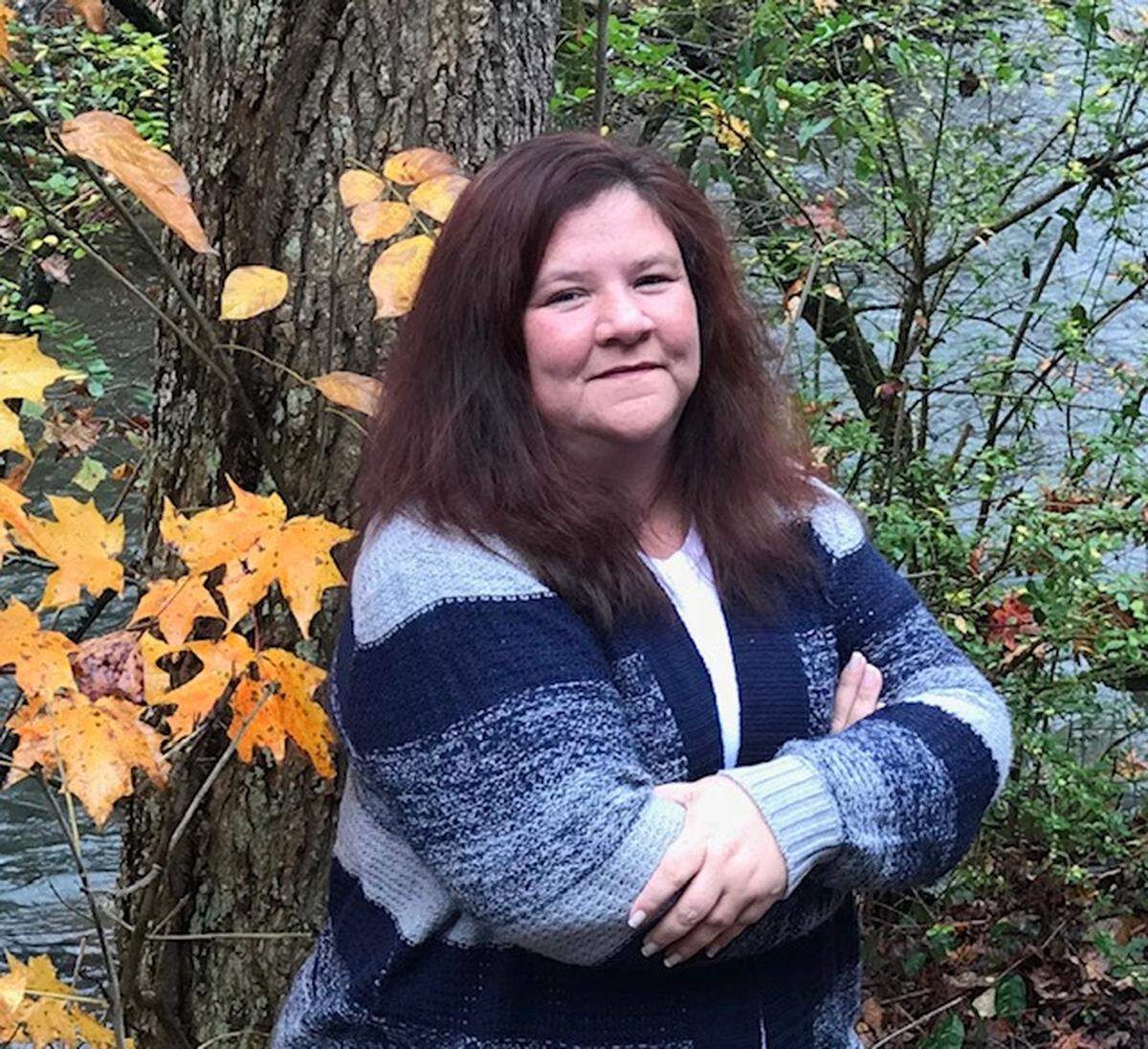
Beasley said she ran unsuccessfully for the District 8 Urban County Council Seat in 2014 after becoming upset because the neighborhood center in her community is closed when schools are closed.
When she decided to run for school board she was at that time a member of Tates Creek High School’s school decision making council and wanted to continue to make sure that blue collar parents had a seat at the table, she said.
“We also need to have some conversations and plans in place to deal with bullying in all forms at our schools. We also need to make sure our special needs and individual education plan kids don’t fall through the cracks,” said Beasley.
Beasley said she wants kids to know that not everyone goes to college and that technical schools and trade schools are great options to make a living wage without going into thousands of dollars in debt.
Beasley, 43, is married with four children. Two have already graduated from Fayette County and two are still at Tates Creek High School.
Beasley said she is a certified pharmacy technician at Kroger and has been with the company 16 years. As a member of the United Food and Commercial Workers International Union, Beasley said she is a chief steward who has negotiated multiple contracts covering more than 24,000 members.
“I have never been shy about standing up to ‘management. ‘ I dropped out of school at 16 and when I received my GED my two oldest children were sitting in the front row-- education is a high priority for me,” Beasley said.
In May 2019, Beasley received an associates degree in criminal justice and all four of her children were in attendance, she said.
“I have served as PTA president, homeroom mom, chaperone, and member of the site-based decision making council,” she said. “We have been in Fayette County public schools for 19 years. This is not just a stepping stone for me to higher political offices.”
ARNOLD FARR
Farr, 55, is a philosophy professor at the University of Kentucky. He said as a university professor, he noticed that the level of preparation among his students differed and was often related to their public school system and policies within those systems.
Farr also noticed problems regarding equity. In Fayette County 49 percent of students are students of color and 50 percent are poor.
These students are often not considered when decisions are made, he said. He wants to make sure that they have a place at the table when decisions are made that impact them.
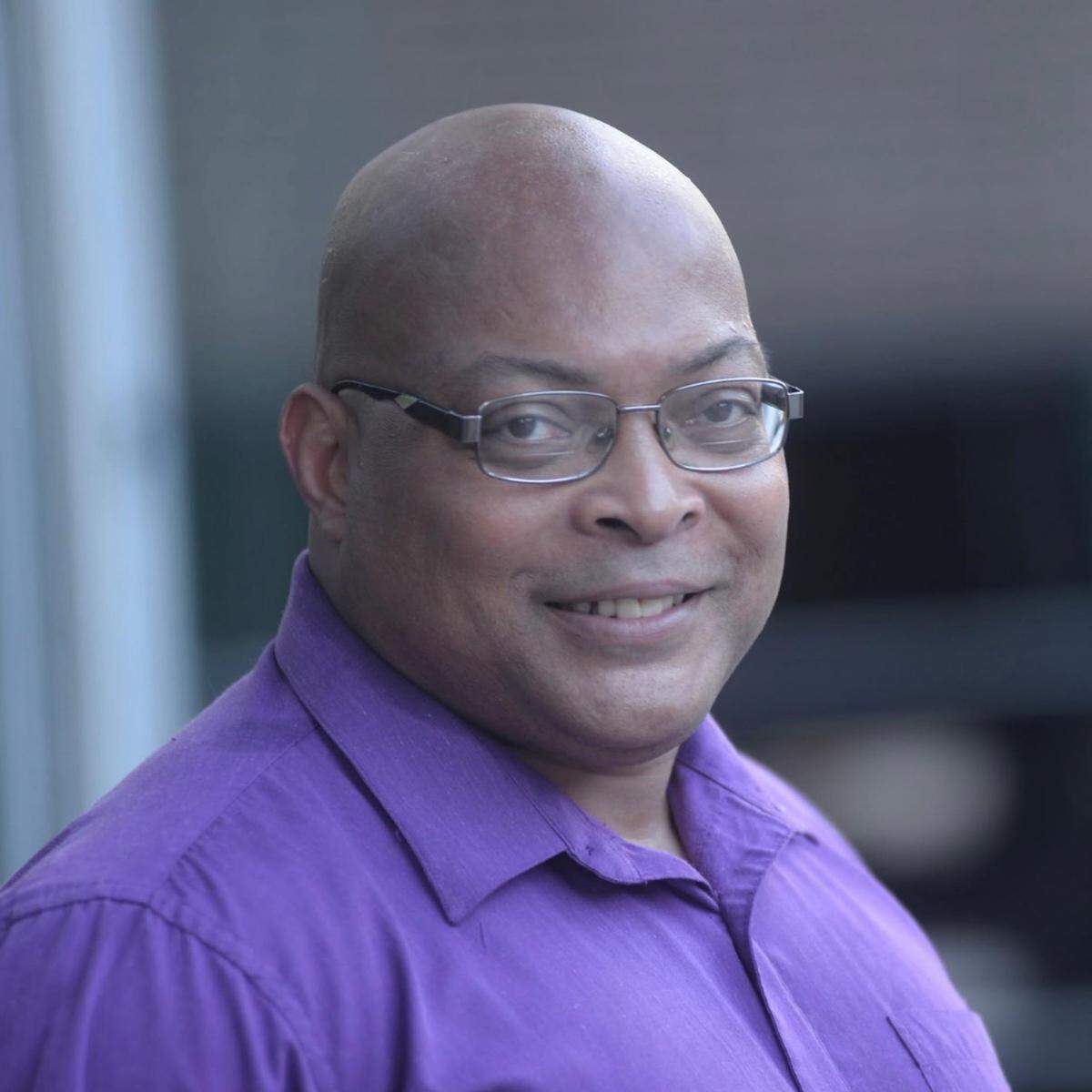
“I am also running to bring more accountability and transparency to the board. I also want to make sure that the needs of students come first when important decisions are made, “ said Farr.
Farr wants to remedy inequities among Fayette students so all will have a high level of education.
He wants to make sure that students don’t become victims of back room politicking by members of the board and administrations.
Farr wants the district to develop more community partnerships. Farr had an unsuccessful run for Urban County Council in 2018.
He has four children who all attended Fayette County Schools; his youngest son is a student at Henry Clay High School.
Shaping a fair and just society begins with education and curriculum, Farr said.
Farr wants students to see someone like him, and like them, “who can make it.”
AMY GREEN
Green, 38, is a full-time parent of two children who attend Fayette County Public Schools.
“I’m doing this to be a voice for the kids and the families,” she said.
Most recently, she worked at the University of Kentucky as a faculty instructor for the Mathematics Department. She previously taught at Lexington’s Paul Laurence Dunbar High School.
Green said she had a unique vantage point on public education by being mother, a school volunteer, a PTA executive board member, a Site Base Decision Making Council parent representative since 2017, and a professional educator.
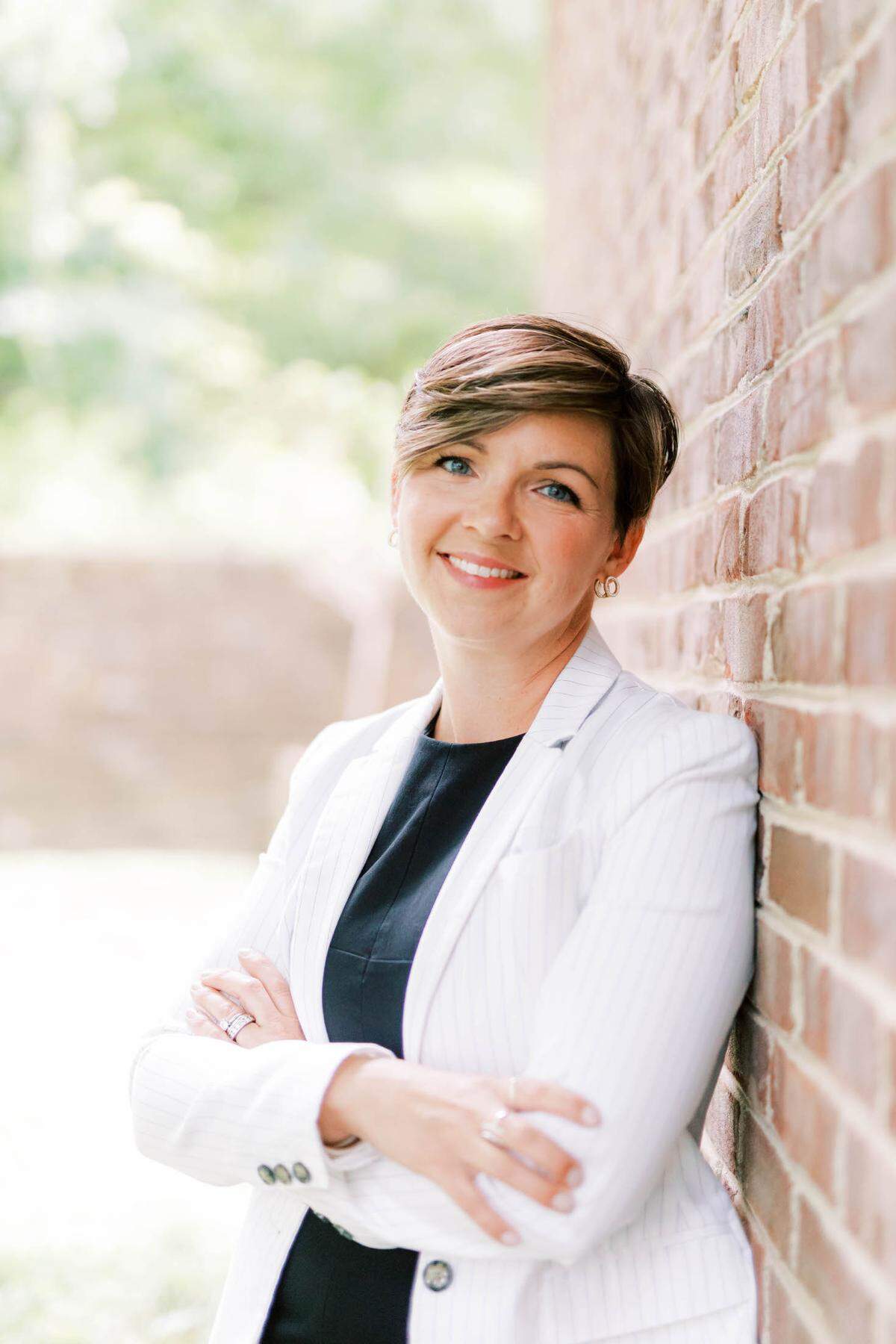
Green said she had a vision for better-than-normal learning for all students and an education track record that supports that vision.
“I do not have all the answers, but I am willing to always listen and learn and grow,” said Green. “I will work tirelessly to ensure our students have a positive and thought-provoking atmosphere in which to learn and cultivate new ideas.”
Equity is the most important issue facing Fayette schools, she said. Equity, in her view, is providing fairness in resources, opportunities, and outcomes so that all students get what they need to be engaged, successful, and have the ability to pursue a life of happiness.
Local schools and their stakeholders need to have the full ability, with proper budget and curriculum options, to meet the unique needs of their students and community, Green said.
One size does not fit all when it comes to curriculum, Green said.
“Our teachers need to be recognized and respected as a voice for their voiceless students,” she said.
“We need to support and strengthen the social and emotional learning and welfare of all our students and demand opportunities for all students to learn not only academics, but life skills too, “Green said.
Curriculum and books must mirror the experiences of every student, not just the white experience, she said.
Green said if there are no new funds coming in, then the district should move around current funding. Green said she grew up poor and believes in living below your means and that only happens if you consistently reevaluate your financial priorities.
Over the past several years there has been a push for district-wide curriculum. But she thinks the district should give some curriculum decision-making power back to the schools and teachers.
“We need to make sure each school based council has the full ability with proper budget and curriculum options to meet the unique needs of their students and community,” she said.
District 5 covers Clays Mill, Glendover, Lansdowne, Picadome, Southern, Stonewall, Veterans Park and Wellington elementary schools.
Jessie Clark, SCAPA at Bluegrass and Southern middle schools; Lafayette and Tates Creek high schools and the Fayette County Preschool Center.
This story was originally published October 8, 2020 at 11:19 AM.