
Percentage of principal visits for skipping class in Fayette nearly tripled after COVID
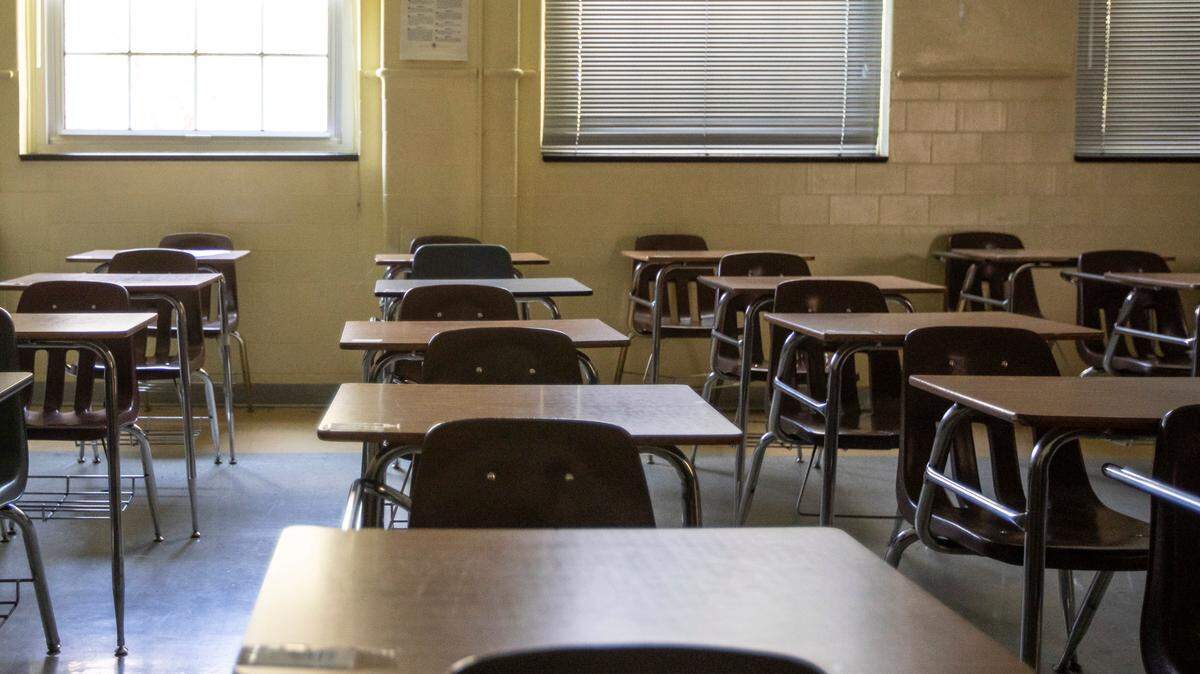
The percentage of referrals to the principal’s office for skipping class nearly tripled in Fayette schools when in-person classes reopened after COVID closures, and it became the top reason kids were disciplined.
In January-March 2019, 12.86% of student incidents sent to the principal’s office were for skipping class, the third most predominant reason during the time period. Failure to follow direction was first at 23.7%. Disruptive behavior was second at 17.34%.
In January-March 2022, 32.32% of incidents were for skipping class.
Skipping class was the top reason for incidents sent to the office during that time, according to data the Herald-Leader received from Fayette County Public Schools under the Kentucky Open Records Act.
That was followed by failure to follow direction at 18.77% and disruptive behavior at 9.75%.
Ben Belin, who graduated this year from Lexington’s Henry Clay High School, said he thinks more students are skipping class than before COVID because classwork is now online and teachers video record many of their classes.
“It used to be when everything was on paper if you missed a day at school you had to go in, get your papers,” he said. “You couldn’t make it up until at least a day later.”
Fayette County Public Schools spokeswoman Lisa Deffendall said comparable data is not available for January through March of 2020 or January through March 2021 due to interruptions caused by the COVID-19 pandemic. While schools were offering remote instruction, traditional attendance counts were replaced by tracking student participation.
As part of a commitment to continuous improvement, Deffendall said district leaders are constantly reviewing data to determine areas of focus and steps to take.
“We recognize the critical link between academic and social success, so behavior data is one of the metrics we regularly analyze,” Deffendall said. “Our goal is to always learn and grow from data, understanding that the greatest impact can be made at the school and classroom level.”
District officials presented January-March 2022 principal office referrals at a recent school board meeting. Deffendall said she would caution against drawing too many conclusions from a single data point based on three months of data because it does not give a full picture.
Kentucky part of larger trend?
Sarah Akin, president of the Kentucky School Counselor Association, said in general, discipline referrals and behavior issues have increased at schools in the state due to the pandemic. Students have struggled with strict timelines since returning to the classroom, she said.
Students could complete assignments when they wanted during home learning, “they ate what they wanted” when they wanted, went to the restroom when they wanted and took breaks as they wanted, she said.
Back at school, there has been “less down time and less flexibility,” Akin said. With that, some students have struggled to handle challenges and hard situations.
“Skipping class kind of allowed them to escape,” she said.
The New YorK Times reported recently on a survey of 362 school counselors nationwide that found 52% noticed students skipping class more often than before the pandemic.
Some schools in other states, including Louisiana, Oregon and New Jersey, have also experienced a surge in class skipping.
In a May 26 op-ed in the Newark, New Jersey Star-Ledger, high school history teacher Yvette Jordan said when she asked high school students why they were skipping class they had grievances she couldn’t refute.
In addition to teacher shortages and COVID-driven changes and hardships at school, “students have faced serious financial, medical or legal hardship in their families...,” Jordan said.
Hedy Chang, Executive Director of Attendance Works, a national initiative aimed at advancing student success by addressing chronic absence, told the Herald-Leader the hurdles keeping children from getting to and participating in school every day — such as unreliable transportation, housing instability, limited health care or the lack of safe paths to school — were barriers before the pandemic.
The pandemic and distance learning have made attending and participating in class even more challenging, said Chang.
“We are seeing that many students and families are facing even more barriers to getting to and participating in class,” Chang said, “including the emotional toll from losing relatives, economic stress, needing to work to help the family, lack of internet, and students feeling discouraged because they may have fallen very far behind. These challenges are often more pressing for students living in low-income communities.”
Absences have increased across grades in Fayette schools since the COVID pandemic began, pupil personnel director Steve Hill told the school board in May. The average daily attendance percentage for 2018-2019 was 94.27. For the 2021-22 school year, it is 91.81, he said.
This story was originally published June 2, 2022 at 6:00 AM.