
Former Fayette County superintendent takes to social media to ask for ‘a kidney for Stu.’
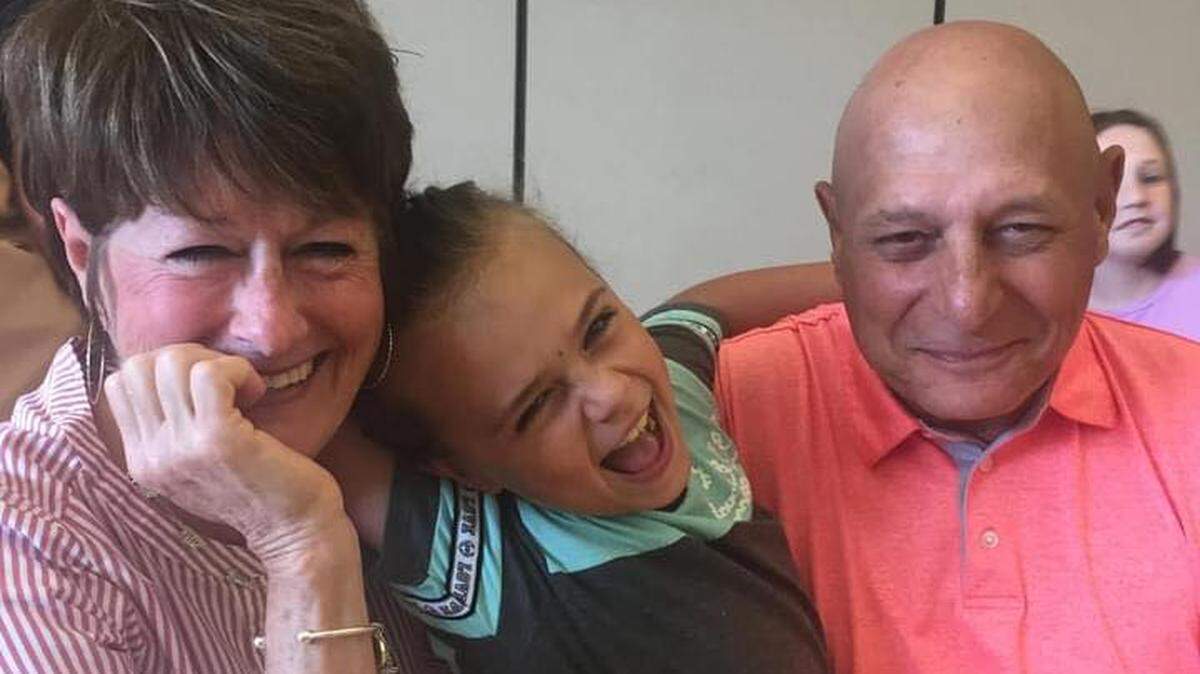
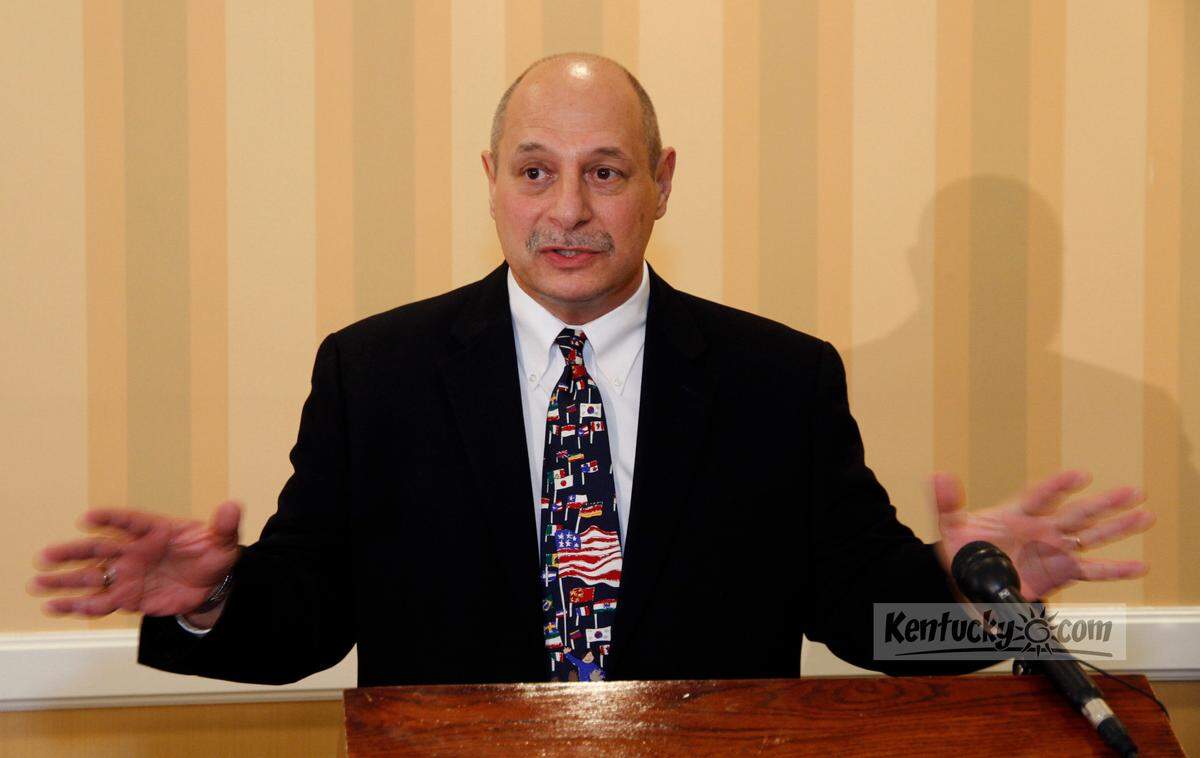
Former Fayette County schools superintendent Stu Silberman was diagnosed with a rare kidney disease back in 2013, and he recently said his case has gotten significantly more complicated, leading him to ask for a transplant.
Silberman said either the transplant or dialysis will soon be his only treatment options. The retired educator recently created a Facebook page called a “Kidney for Stu,” on which he’s asked people to donate a kidney to him.
“I am hoping for a transplant to avoid dialysis and lead a normal life,” Silberman, 71, said.
“After I had family members try to donate but not qualify I felt I needed to get the word out,” Silberman told the Herald-Leader. “Social media is a great way to get a message out and reach family and friends. I had two very close friends and former superintendents, Tom Shelton and Tim Hanner, encourage and help me.”
Hanner is a kidney recipient who went through a similar process, said Silberman.
Silberman said he’s worked with a foundation called Off The List in Northern Kentucky and their executive director, Darci Gibson, has been a great help.
A kidney donation is the “gift of life,” he said, and Silberman hopes someone will be able to share that with him.
“Time is something you can never get back once it passes and there are many things I still want to do,” Silberman said. “It is my hope that Facebook post will also raise awareness of the great need for kidney donations in our country.”
For 41 years, Silberman served in education as a teacher, coach, principal, superintendent and advocate.
Silberman was Fayette County superintendent from 2004 to 2011. Before that, he was superintendent for Daviess County Schools.
Silberman was named Kentucky Superintendent of the Year multiple times, according to the Kentucky Association of School Administrators. He was also once in the final four for National Superintendent of the Year, he said.
He also served as executive director of the Prichard Committee for Academic Excellence. After his diagnosis, he worked two more years, then retired as his kidney function started to drop faster.
He still teaches some college classes at University of the Cumberlands online and enjoys interactions with students and the opportunity to help the next generation of leaders.
Silberman said his wife, Kathy, and other family members are by his side.
“Since day one Kathy has made it her mission to help me have the best quality of life possible,” Silberman said. “From organizing a complex diet plan that eliminates salt, red meat and foods high in potassium, to providing critical support through countless doctor’s appointments, Kathy has been my rock and source of inspiration.”
Silberman said quality time with his grandkids is one of his favorite things in life.
“Family means everything to me, which is why I am moved to share this message,” he said.
A side effect of the disease is serious fatigue.
“Just this past week one of my granddaughters was in a cheer competition and we traveled to be with her,” he said. “While I was able to be there through the first day, I could not make it through the second day due to fatigue.”
Silberman said dialysis can keep him alive, but long-term dialysis is hard on the body and other organs.
“A transplant could give me a longer, healthier, more normal life—and more time with the people I love,” Silberman said.
He has completed the testing at Mayo Clinic and is qualified to move forward.
But he faced a recent setback in learning that family members who stepped up to donate are not eligible at this time.
“Asking another person to consider donating a kidney is extremely difficult, but this is the situation I find myself in today,” Silberman said.
About 92,000 people are waiting for a kidney transplant, according to the American Kidney Fund. Those waiting for a kidney donor make up nearly 90% of all people waiting for organ transplants.
Silberman said based on the complexities of his particular case his chances of getting off the deceased donor kidney list are practically zero. These factors mean, he said, that his only viable option is to receive a kidney from a live donor.
Silberman is asking that people interested in donating a kidney contact one of the Mayo Clinic’s major campuses. There are three in the United States:
Rochester, Minnesota (866) 249-1648
Jacksonville, Florida (904) 956-3309
Phoenix, Arizona (800) 344-6296
Since he created his page, “the response has been heartwarming,” said Silberman.
“Hundreds have reached out with prayers, good wishes, and old stories of times we shared together. People have shared their experiences with the impact of kidney disease and kidney donations,” Silberman told the Herald-Leader.