
USDA cites University of Kentucky after alpaca dies in campus facility
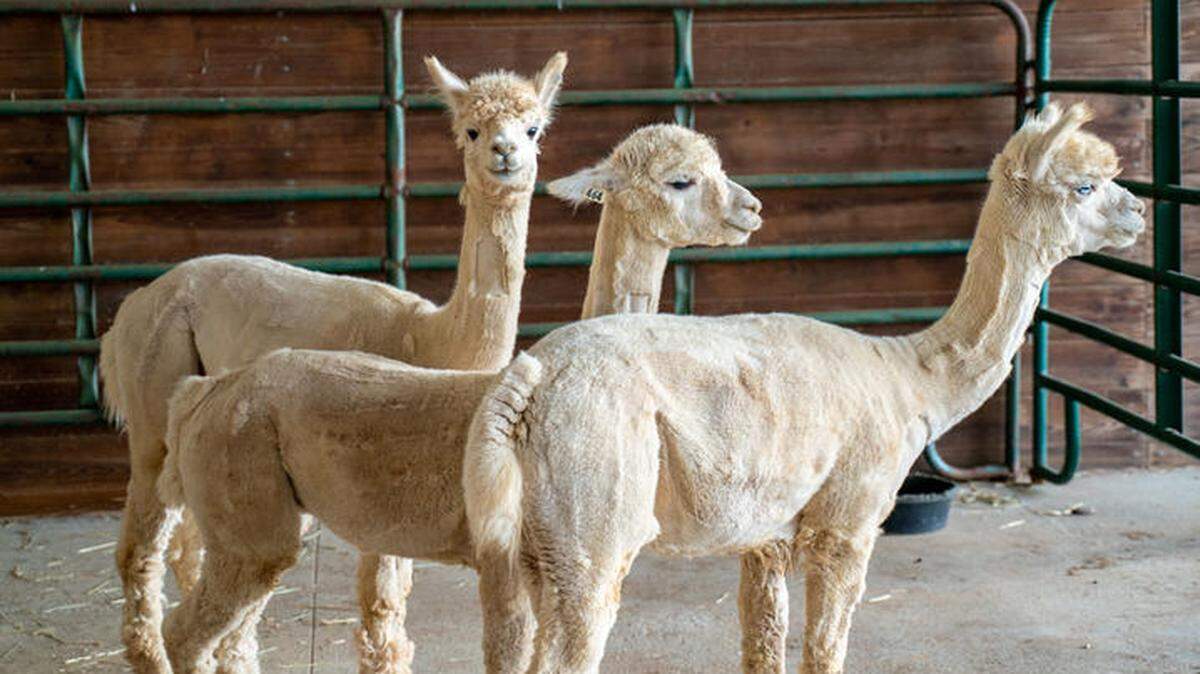
The University of Kentucky has been cited by the U.S. Department of Agriculture after an incident earlier this year led to the death of an animal used in a university research project.
On May 15, an adult male alpaca named Bunny was found dead at a UK Agriculture facility, thought to be killed by coyotes overnight. There were three alpacas housed in a fenced paddock at the facility, and alpacas had lived in that location for five years “without incident,” UK said in a statement Thursday. The other two alpacas at the location were not injured, a report from the USDA said.
“Although there was no prior indication of coyote activity in the area, coyotes are found throughout Kentucky, including in Lexington,” UK said. “The alpacas were immediately moved to an indoor facility to mitigate risk to the remaining animals.”
The alpacas had been evaluated the night before, had not yet been used for research, and were “all healthy and normal” in that evaluation, UK said.
Alpacas make a unique antibody called nanobodies, which has been used in a variety of medical treatments and research from COVID to cancer, according to previous news releases from UK. Nanobodies are rare because of their small size, and are produced in the immune systems of camelids, including camels, llamas and alpacas.
“These animals were there for a noninvasive research project which would collect small blood samples to provide antibodies that aid in development of diagnostic tools and medical treatments for people,” UK said.
The university notified the USDA of the incident, and an inspection was done of the facility on June 26.
The pasture is enclosed on three sides with livestock metal fencing, the USDA report said. The fourth side is made up of metal fencing and board rail fencing, which has “gaps between the boards and between the boards and the ground that are large enough to allow for predators to easily enter the pasture,” the report said.
The USDA Animal and Plant Health Inspection Service (APHIS) is the agency of the USDA responsible for overseeing animal and plant welfare, and conducted the June inspection at UK. The correction to the fencing is listed as “critical” by the USDA.
UK spokesperson Jay Blanton said no alpacas are currently housed in the pasture area. They have been moved to an offsite location while UK modifies the alpaca enclosure before returning them to the university property, Blanton said.
“In many cases, advancements in medicine are only possible through research that requires the use of animals,” UK’s statement said. “The University of Kentucky believes that excellence in animal care and science mutually reinforce each other, and, for that reason, we are committed to a high standard of care, one that meets and exceeds regulatory requirements.”