
Lung cancer keeps going up in Appalachia. UK hopes a $19M grant will lead to lower rates
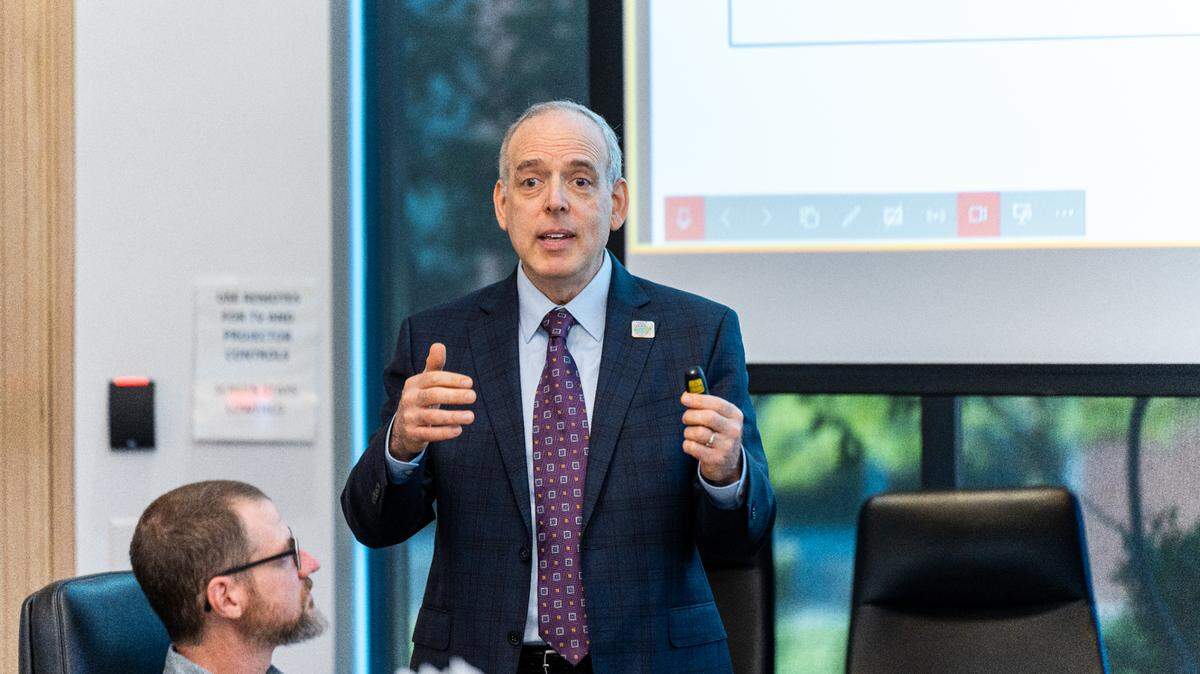
In the state with the highest rate of new cases of lung cancer, the University of Kentucky is starting a new research center to study tobacco usage in Appalachia.
Named Appalachian Tobacco Regulatory Science Team (or AppalTRuST), the center is funded by a five-year, $19 million grant from the National Institute on Drug Abuse under the National Institutes of Health and the Food and Drug Administration Center for Tobacco Products. It will focus on tobacco use in rural communities and its health impacts, said Dr. Seth Himelhoch, chair of the Department of Psychiatry in the UK College of Medicine.
The center will work closely with rural communities in two parts of Kentucky to gather research on tobacco regulatory science, which uses science and research to understand how people can make healthier choices surrounding combustible tobacco (tobacco that is meant to be smoked) use, Himelhoch said.
Himelhoch said the hope is that the research and work done through the center will eventually lead to a reduction in cancer in the area.
“My hope is that if people are able to make healthier choices about the use of tobacco, particularly limiting combustible forms of tobacco, that we would be able to see a high impact on the health and quality of life of people over time,” Himelhoch said. “... the outcome should be that we see a really big reduction in cancer over time.”
Kentucky has one of the highest smoking rates among adults, according to the Centers for Disease Control and Prevention, and the highest rate of new cases of lung cancer diagnoses, according to the American Lung Association.
“Tobacco has long been an issue that challenges the health and well-being of Kentucky. It is our mission as scientists and stewards of our land-grant institution to advance the Commonwealth beyond any obstacles to its public health,” said Vice President for Research Lisa Cassis. “This award offers the team behind AppalTRuST an opportunity to lay a foundation for high-level, innovative and interdisciplinary research to make an impact on our state.”
The research center at UK is unique because it will focus on tobacco use in rural areas, Himelhoch said. Other centers on the same grant have been located in cities or along the coast.
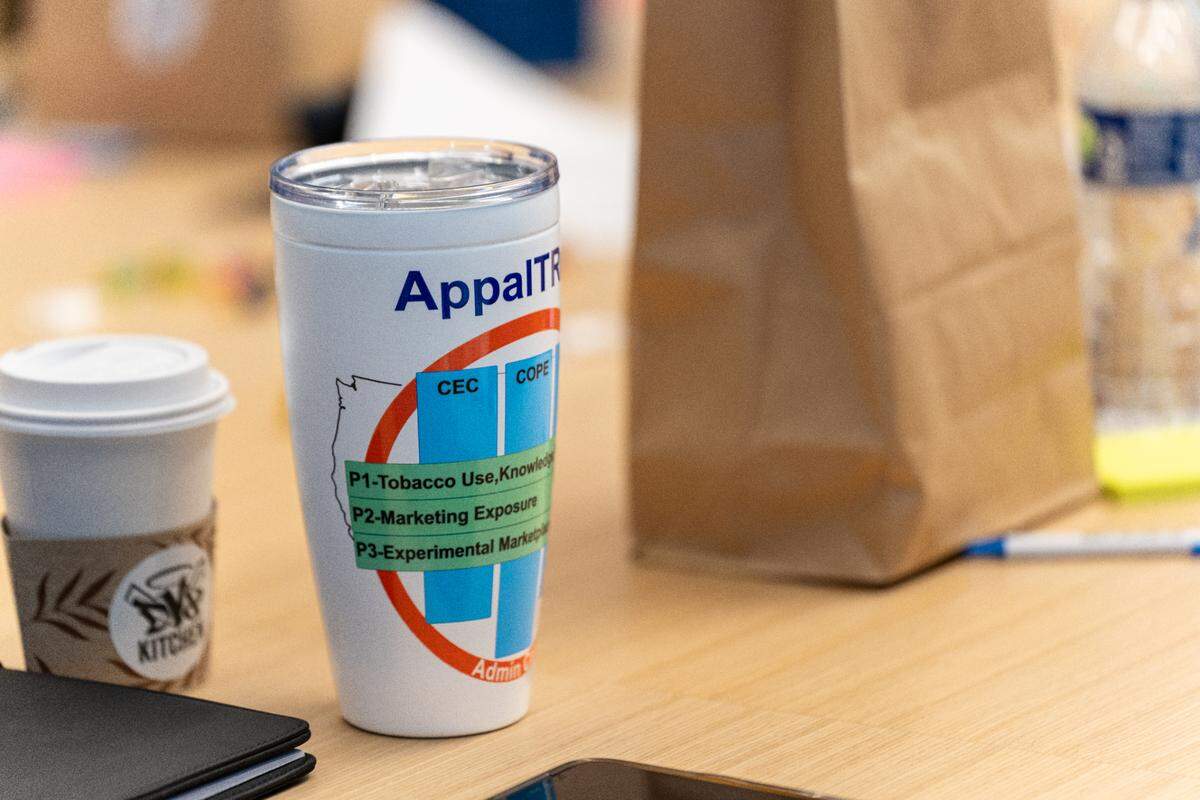
Eight Kentucky counties will be the focus on AppalTRuST: Boyd, Carter, Greenup, Breathitt, Knott, Leslie, Letcher and Perry. The program will look at several areas of tobacco usage and health effects, including how to communicate the health effects of tobacco use, according to the FDA.
“Kentuckians are at a much higher risk for heart disease, lung conditions, and cancer due to high smoking rates and weak smoke-free protections. AppalTRuST will learn with and from the community to better understand their use of tobacco, retail marketing of tobacco projects, and consumer behaviors in rural communities,” said Ellen Hahn, co-director of AppalTRuST and professor in the College of Nursing.
The center will work closely with communities to examine tobacco usage and effects, he said. The goals are to bring more knowledge about the impacts of tobacco use to those communities, and examine the impact of tobacco marketing in Appalachia, along with how FDA regulations may affect tobacco usage.
“The idea is not that we are not swooping in to do research and swooping out, but it’s really to listen to the communities about what their needs are, how tobacco is impacting their lives, and then really working with them to understand what ways, with regulation of tobacco products, affect their use and their choices,” Himelhoch said.
UK is one of seven institutions awarded Tobacco Centers of Regulatory Science grants. Other schools who received the grant this year include Yale University, Pennsylvania State University and the University of Southern California.
“Our goal is not to tell people whether to use or not to use (tobacco), although I would say that not using is probably a healthier choice, but among those people that are using, to help them understand the risks around particularly combustible tobacco, and the benefits of maybe using other types of nicotine products to reduce their exposure to the poor health effects of combustible tobacco,” Himelhoch said.