
You can now view over 70,000 pages of Lexington’s earliest records, including slave history
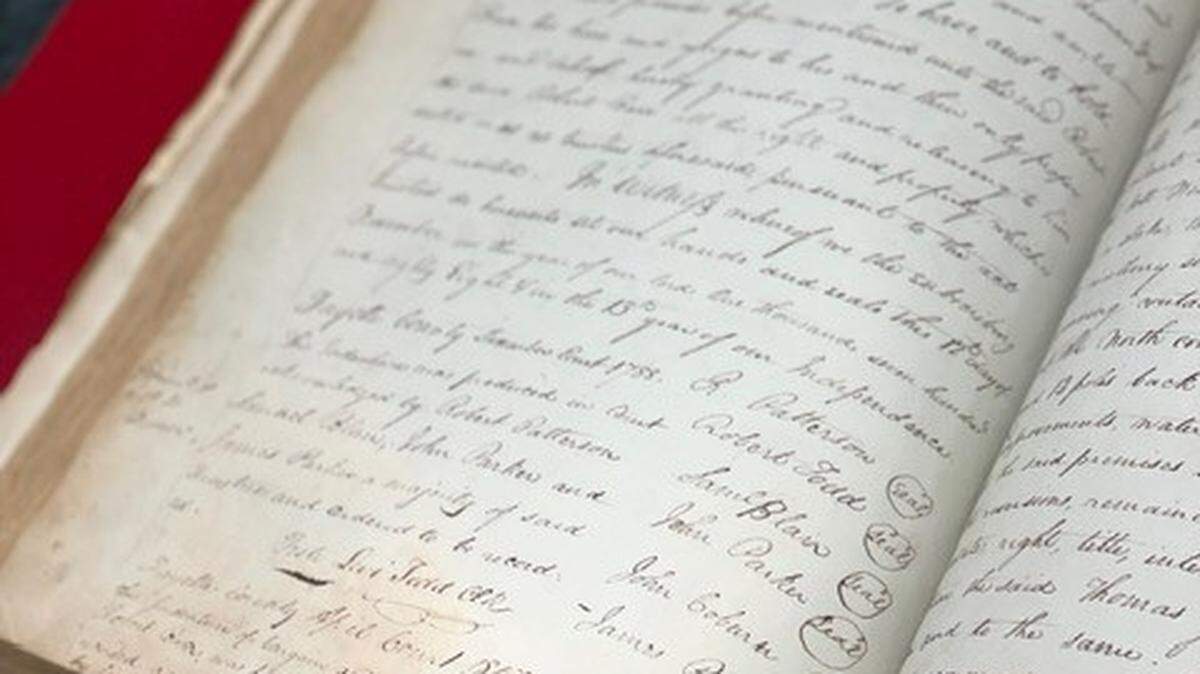
The University of Kentucky and Fayette County have digitized 77,000 pages of Lexington’s earliest records, including slave and land documents.
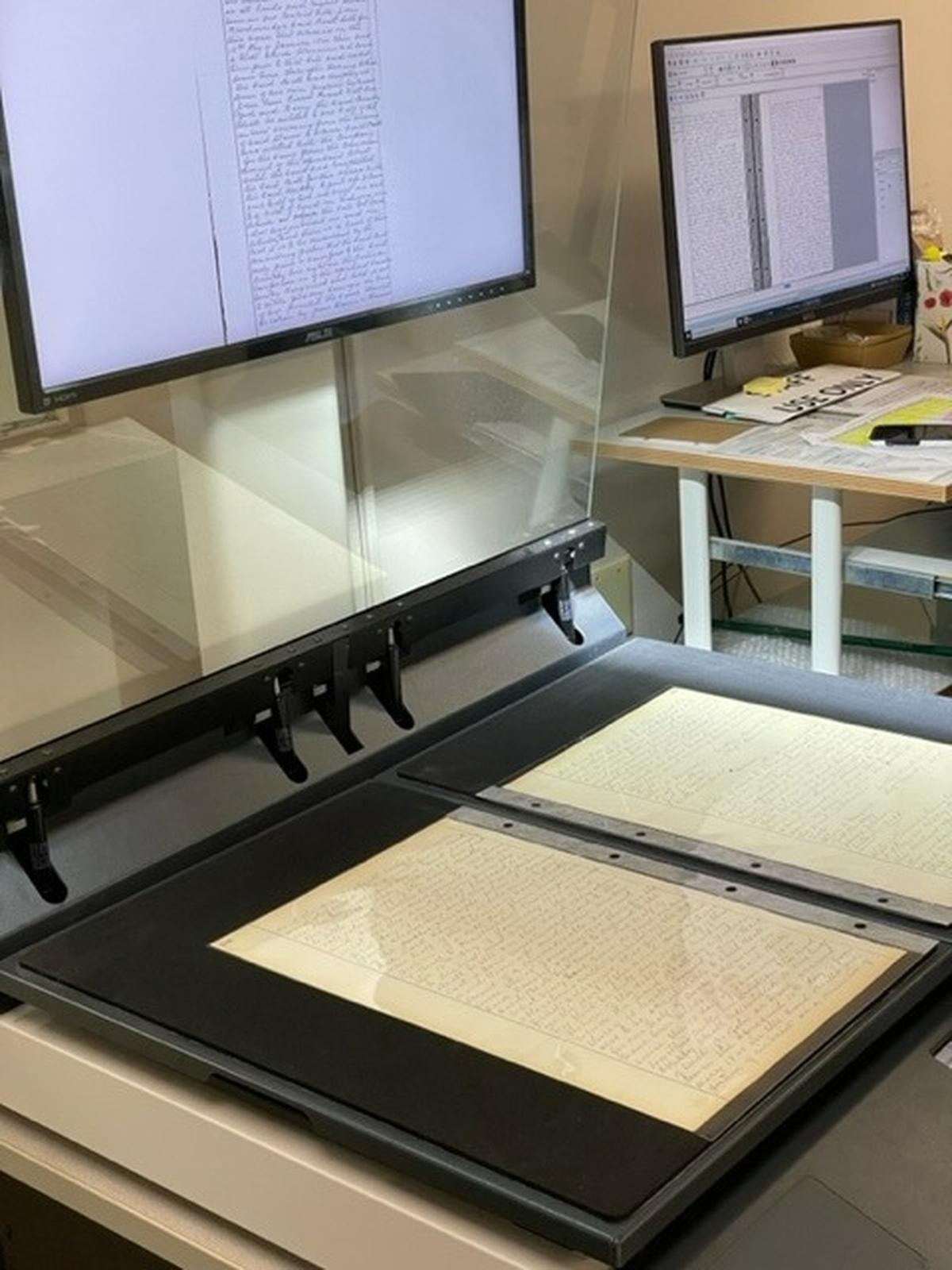
What was once only available in-person at the county clerk’s office is now available online for anyone to access through the Digital Access Project. Documents from the 1780s to the end of the Civil War are now posted online at www.fayettedeeds.com, and the next phase of the project includes finding a way to make an online portal that is easy to navigate, said Vanessa Holden, director of the Central Kentucky Slavery Initiative at UK and co-director of the Digital Access Project.
Among the documents are slave records, which include information about enslaved people like their names, physical descriptions and where they lived, which help show a “fuller story you can get about an enslaved person that isn’t available anywhere else,” Holden said. There have also been records found about free people of color, which document their homes, businesses and efforts to free enslaved family members, she said.
“Kentucky is an incredibly important state in the history of the United States, and it’s an incredibly important state in African American history,” Holden said. “It’s a crossroads because of the Ohio River, and it’s this place where America tries out a lot of new ideas, because it’s one of the first states added to the Union after the Constitution was signed. ... Understanding Kentucky a little bit better is really important.”
The project was a partnership between the University of Kentucky’s Commonwealth Institute for Black Studies (CIBS), the Blue Grass Community Foundation (BGCF), the Fayette County Clerk, the Lexington Black Prosperity Initiative and the Knight Foundation Donor Advised Charitable Fund.
Because the project worked to digitize all records, there was also information found about some of the most well-known Kentuckians, including Henry Clay and Daniel Boone, said Shea Brown, special projects deputy clerk for Fayette County and co-director of the Digital Access Project.
“We can read about them in history books, but history books and information out there can only go so far,” Brown said. “We can now look at the amount of land they owned, if they owned slaves, the names of slaves they owned. They are documented government records, and then we can kind of determine a narrative story.”
The project also makes documents more accessible. Prior to being available online, they were stored in the clerk’s office in large deed books. The oldest records are handwritten in “colonial style” and cursive, Brown said, which can make it difficult to read. Moving the records online makes it easier for people with mobility or other needs to access them.
Brown said that because of the enhanced access to the records, there can now be more education about Kentucky and Lexington’s early history, and “bring out things that have been hidden for so long.”
“I believe now that people have access to them, we can have better community engagement in conversations for racial reconciliation,” Brown said. “We can better help community education.”
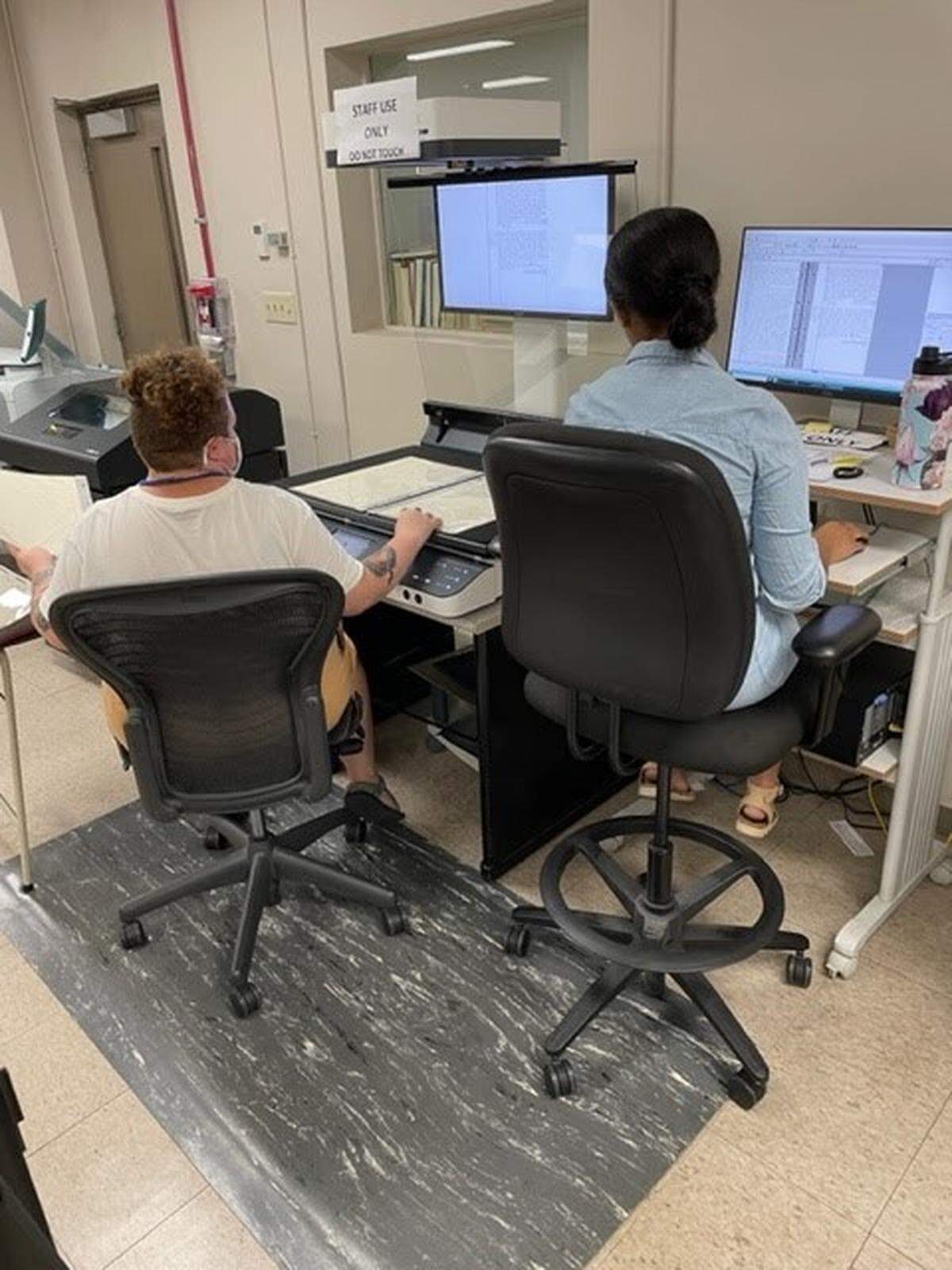
The project has also brought together different generations to catalog the records. UK students work side-by-side with community members, who are oftentimes retirees who volunteer at the clerk’s office. Students bring their knowledge of technology, while retirees can help read the older records. Working together, the team verifies the records while digitizing them.
“We’ve had a really lovely generational symmetry because our community members can read cursive, and our students aren’t intimidated by the Bookeye Scanner, so it’s been really lovely to see our students have an opportunity to work with people in the broader community,” Holden said.
This story was originally published November 14, 2023 at 2:25 PM.