
‘Part of our region’s soul’: How UK group aims to preserve art, culture after disasters
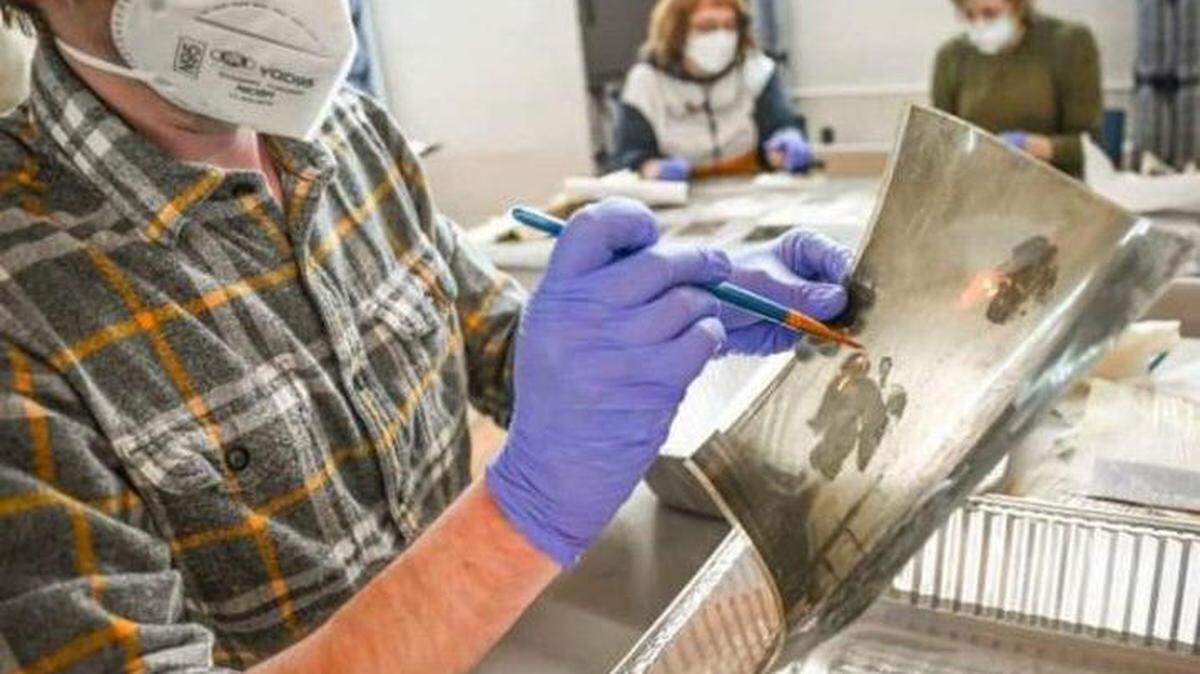
After the 2021 tornadoes in Western Kentucky and 2022 floods in Eastern Kentucky, the state’s arts and humanities community began to explore ways to save pieces of culture after a disaster.
The Kentucky Heritage Emergency Response Network was formally launched in September, bringing together national, state and local organizations and artists who will help restore art and cultural objects in the aftermath of a disaster.
The goal: Connect artists and organizations to resources in case of a natural disaster, or other event causing damage, to quickly move into action and save art and cultural pieces that would otherwise be lost.
The network received a $25,000 grant from the Performing Arts Readiness project through the Mellon Foundation. It’s free for artists and organizations to become members of the network -- known as KHERN -- that adds them to the network in case of emergency situations.
Leah Hamilton, the lead administrator of the response network and an assistant professor of arts administration at the University of Kentucky, said the increase in climate and weather disasters makes the creation of the network important at this time.
“I think having this response network in place is coming at a critical moment, where we can help organizations think through the ‘what ifs,’ but also if an emergency or disaster occurs, we can be at the ready to help connect them to the resources they need,” Hamilton said.
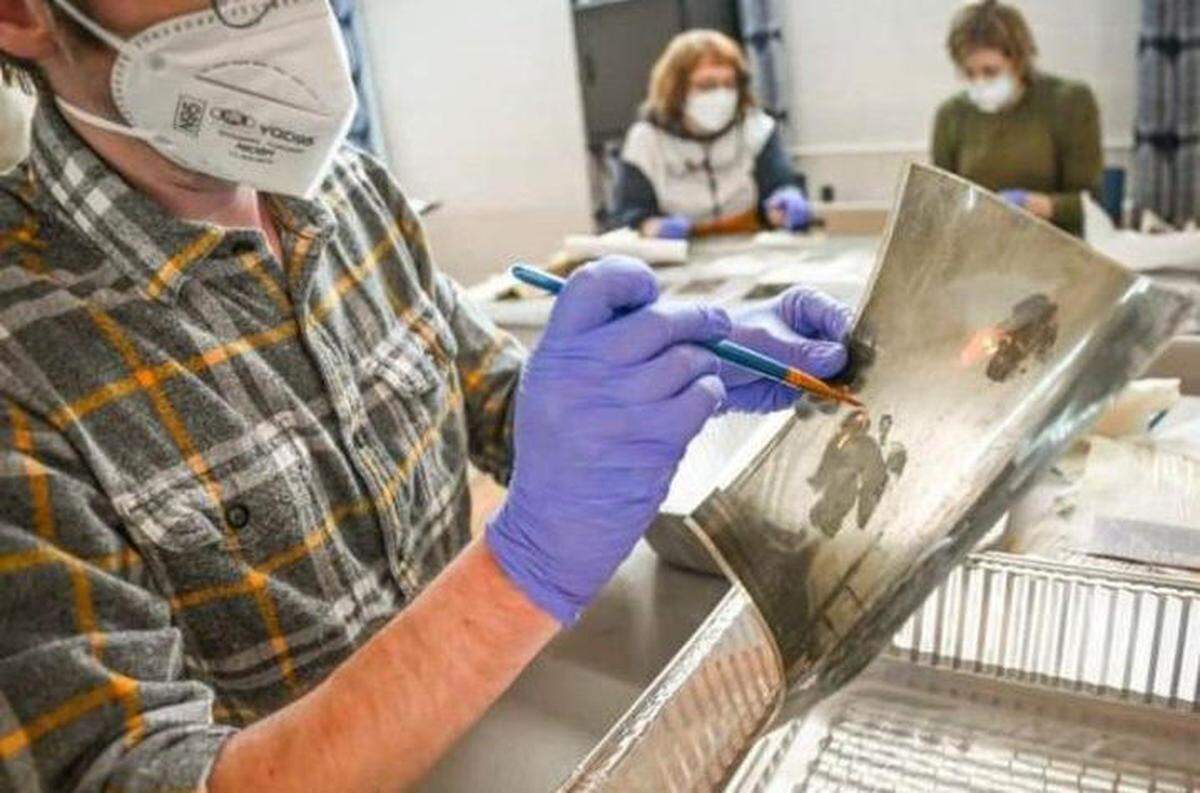
After a natural disaster, the initial response tends to focus on immediate needs — food, water and shelter. But cultural preservation is important too, Hamilton said.
Places like Appalshop, the regional arts center in Whitesburg, and Hindman Settlement School, another cultural institution in Knott County, sustained damage in the 2022 flooding and were part of the inspiration behind starting the rescue network.
Both centers serve as archives of Appalachian culture, including audio recordings, photos, instruments and artisan crafts.
“It is deeper than a physical object. It’s part of our region’s soul, is what I like to say,” Hamilton said. “Why is it important to preserve that? So that we can continue to learn and pass on stories and heritage to our future generations.”
Following a disaster, whether it’s extreme weather impacting a region or a smaller disaster, like a fire that may impact one artist, people will now be able to reach out to network officials for assistance in documenting the damage and beginning to restore art and cultural pieces.
In some instances, the group may send an expert to the disaster site to help coordinate preservation and recovery, or coordinate assistance between members within the region, Hamilton said.
The rescue network also offers training for individuals and cultural organizations on disaster preparedness and how to begin clean-up following a disaster, said Ruth Bryan, university archivist for UK Libraries Special Collections.
“Preserving our past and recovering from events that destroy our past is a key component of being human, and of living together as humans, and that’s why we need to have these plans and responses in place,” Bryan said.
“If we don’t, we lose who we are and what we mean to each other, and how we live together.”
In addition to pieces of art and culture, the rescue network also will provide training on how to restore and preserve government and legal documents, which is important for preserving history and the way systems operate, Bryan said.
“We have government records to support our democracy, and then we have vital records that support our legal and financial systems,” Bryan said.
“If we don’t have those documents in written form, then our system and all of the transactions on which our lives are based falls apart.”
This story was originally published December 2, 2024 at 4:45 AM.