
Kentucky Supreme Court hears arguments over legality of public charter schools
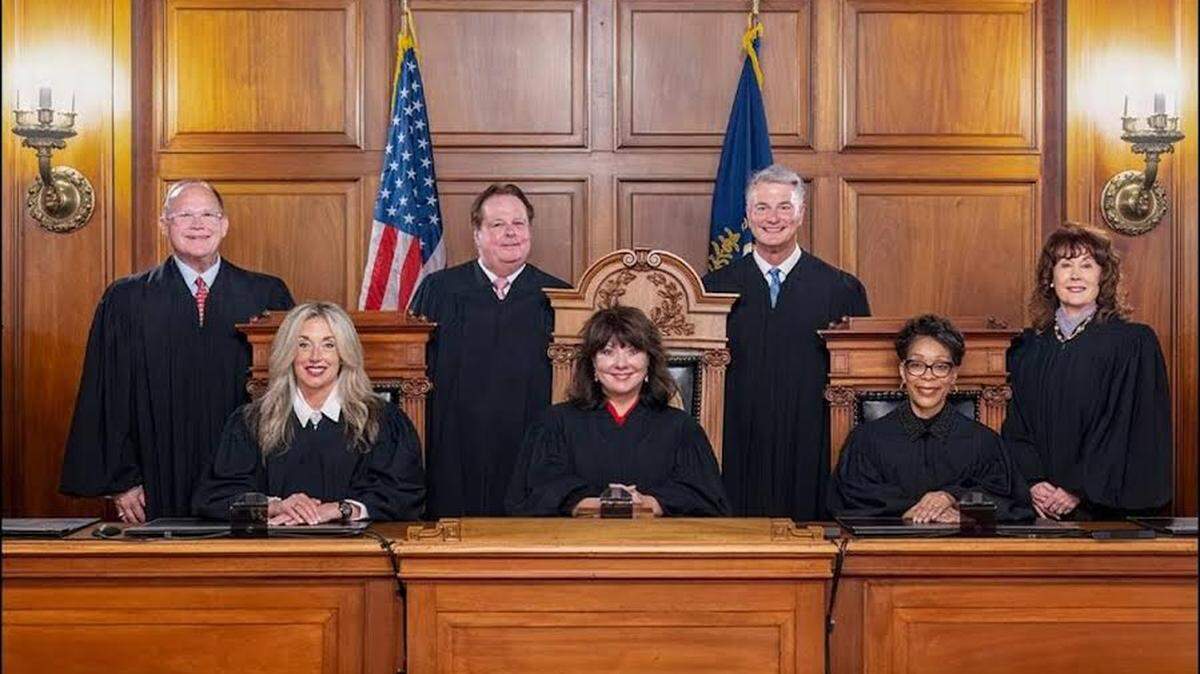
The Kentucky Supreme Court on Thursday heard oral arguments about whether the state’s charter school funding law violates the state’s constitution.
“There is no set date or time period in which the court will rule on the case,” Kentucky Supreme Court spokesperson Jamie Neal told the Herald-Leader Thursday.
Charter schools are schools that are publicly funded but operated by independent groups with fewer regulations than most public schools. They’ve been legal in Kentucky since 2017, but none have opened because of legal challenges.
Solicitor General Matt Kuhn who presented an appeal on behalf of Attorney General Russell Coleman said 45 states have charter schools.
“Kentucky kids are really on the outside looking in on what has been a resounding success, especially in urban areas. And so I’d really ask the court not to leave Kentucky kids on the outside looking in,” Kuhn told members of the state Supreme Court.
Bryan Leet, the lawyer for the Council for Better Education which filed a lawsuit in the lower court over the state’s charter school funding law, argued the charter school funding law is the latest attempt by the General Assembly to redirect public school money to schools operating outside the common school system without the approval of Kentucky’s voters as required by the Constitution.
After the law allowing charter schools in Lexington was passed, there was originally no funding mechanism.
In 2022, the General Assembly passed House Bill 9 to fund public charter schools and mandate pilot charters in Jefferson County Public Schools and Northern Kentucky. In January 2023, the Council for Better Education, a group of school superintendents, and two school boards filed a lawsuit in Franklin Circuit Court alleging the bill was unconstitutional. The lawsuit was to prevent KDE from implementing the law as directed by House Bill 9
That December, Franklin Circuit Judge Phillip Shepherd issued an order in their favor.
His order said House Bill 9, which set up a funding mechanism for charter schools in the state, violated the Kentucky Constitution.
Shepherd said House Bill 9 violated the plain language of the constitution, which includes a requirement for “an efficient system of common schools” and that tax dollars can’t be used to support non-public education.
Kentucky Attorney General Russell Coleman appealed the lower court’s ruling, arguing in favor of the law that he said gives Kentucky families more educational choices.
Coleman has argued It is well within the General Assembly’s authority to use public charter schools to achieve an efficient system of common schools throughout the state,
After Thursday’s oral arguments, Coleman said in a statement:
“Kentucky is left as one of just a handful of states without public charter schools,” he said. “Kentucky’s kids deserve every chance to succeed, and we’re proud to stand alongside our partners in the General Assembly to fight for that opportunity.”
At least one charter waiting to open
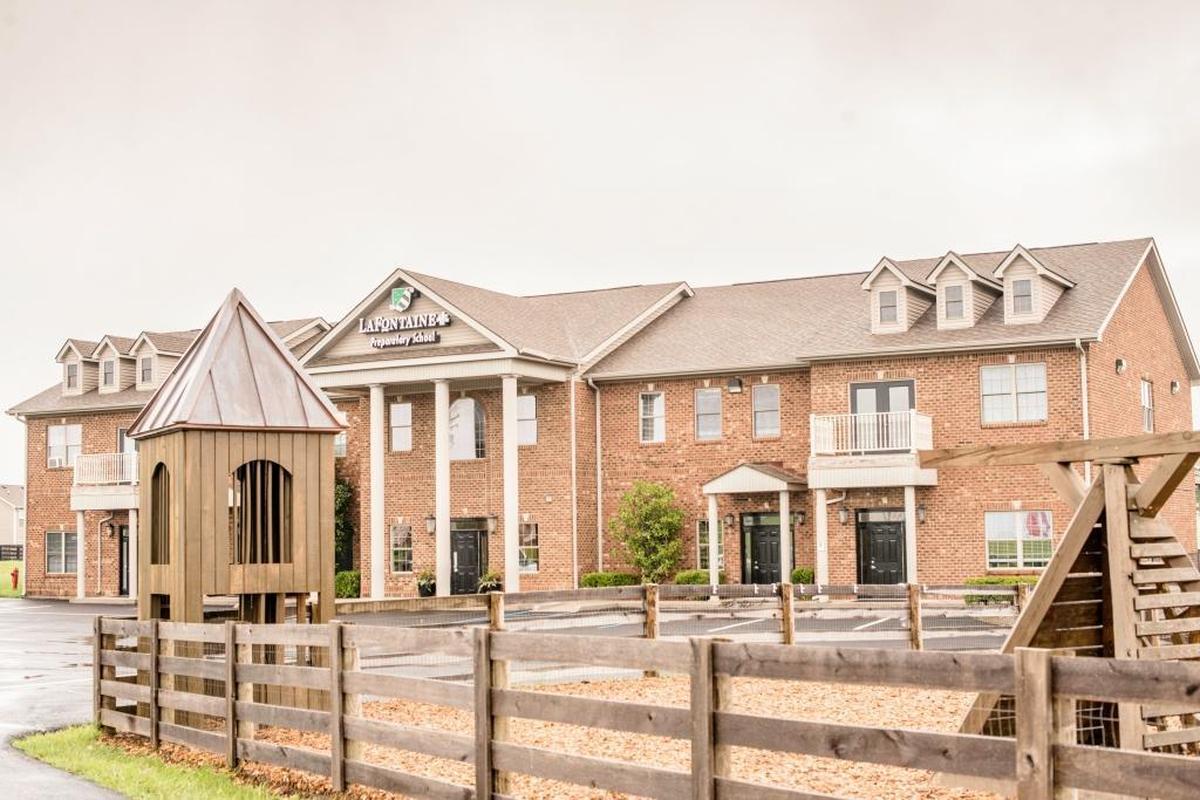
A school in Madison County is seeking to become the state’s first charter school. LaFontaine Academy director Gus LaFontaine is appealing the 2023 Franklin Circuit Court decision. He was represented in Thursday’s oral arguments by attorney Paul Salamanca.
Salamanca said charter schools were “nimble” and “focused on their constituents.”
Corey Nichols, an attorney for the Kentucky Board of Education and the Kentucky Commissioner of Education, said Kentucky school districts share a common responsibility to provide free and appropriate public education to every student living within the district.
Nichols said charter schools contemplated by HB 9 are “not equally yoked” by these responsibilities and can’t be considered common schools. For example, he said public school districts have the shared obligation to take all students. He said charter schools have hard enrollment caps and can exclude students when they reach an arbitrary maximum.
Nichols said charter schools will in fact create a great disparity not only between common public schools and charter schools, but even between individual charter schools themselves.
Justice Michelle Keller asked since charter schools have a board of directors and not elected school board members how charter schools are held accountable.
“Since there’s not going to be a local school board that’s elected locally and managed the way that we’re all used to our public schools being managed, who’s going to be accountable?” Keller asked. “And how are we going to know, and how are the parents and taxpayers going to know, whether the promises of the charter schools are being met?”
Kuhn said charter schools have to report results to the Kentucky Board of Education and are overseen by an authorizer. He said the authorizer in almost all circumstances is going to be the local school board.
The Kentucky Supreme Court heard the oral arguments in the case at the Norton Center for the Arts in Danville.