
Just nine days into KY General Assembly, there are dozens of K-12 school bills
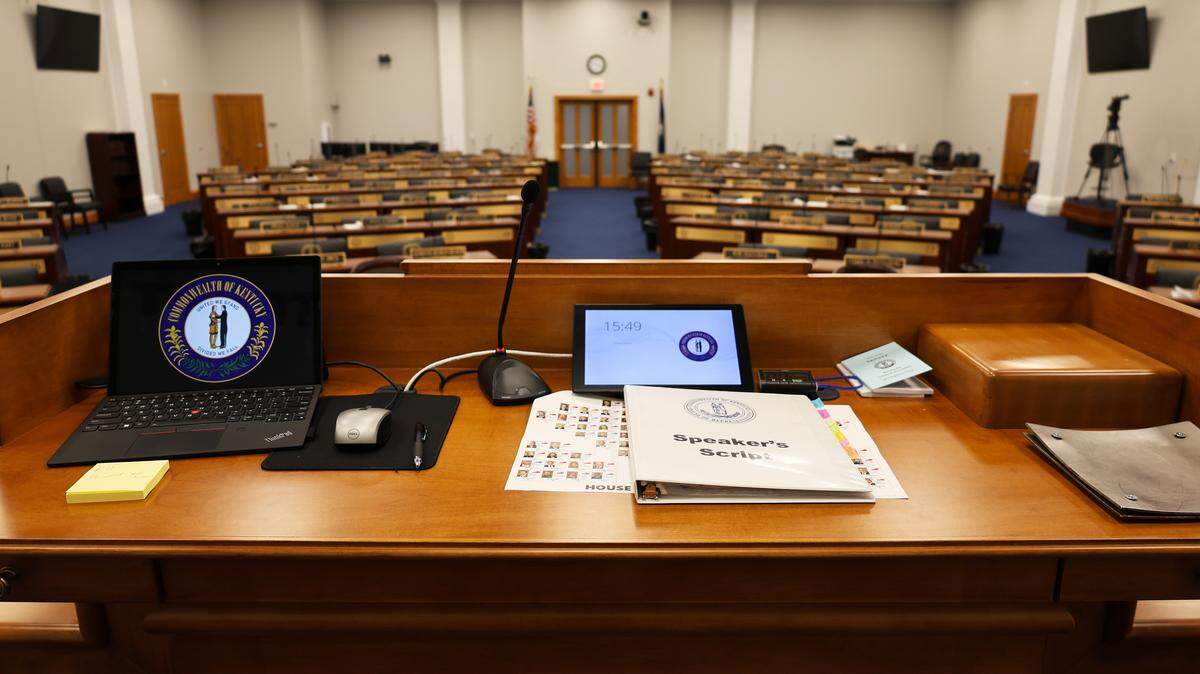
Just nine days into the 2026 General Assembly, there have been at least 67 bills already filed that would affect Kentucky’s elementary and secondary school students.
“The Kentucky General Assembly keeps education a top priority, and that remains true for the 2026 Legislative Session,” said Dustin Isaacs, deputy communications director for the Senate Republicans.
“From record per-pupil funding in each biennial budget and significant funding to continue stabilizing our teacher’s retirement, to proposals put forward this year focused on school employee safety, to addressing workforce challenges, lawmakers are committed to improving the learning environment for students and instructional climate for teachers,” Isaacs told the Herald-Leader Thursday.
“Grow your own” teachers
The Senate Education Committee on Thursday unanimously approved Senate Bill 22, filed by Sen. Jimmy Higdon, R-Lebanon.
If passed, it would expand Kentucky’s “grow your own” teacher recruitment strategy through dual credit for high school students enrolled in teacher apprenticeship programs. The bill now goes to the full Senate.
The bill establishes a formal framework for local school districts and colleges to partner in preparing future educators, creating affordable, work-based pathways into teaching that can help reduce student debt and retain more homegrown talent in Kentucky classrooms, a news release from the Senate Majority Caucus said Thursday.
SB 22 is designed to scale up a proven apprenticeship model already underway in several school districts, the release said.
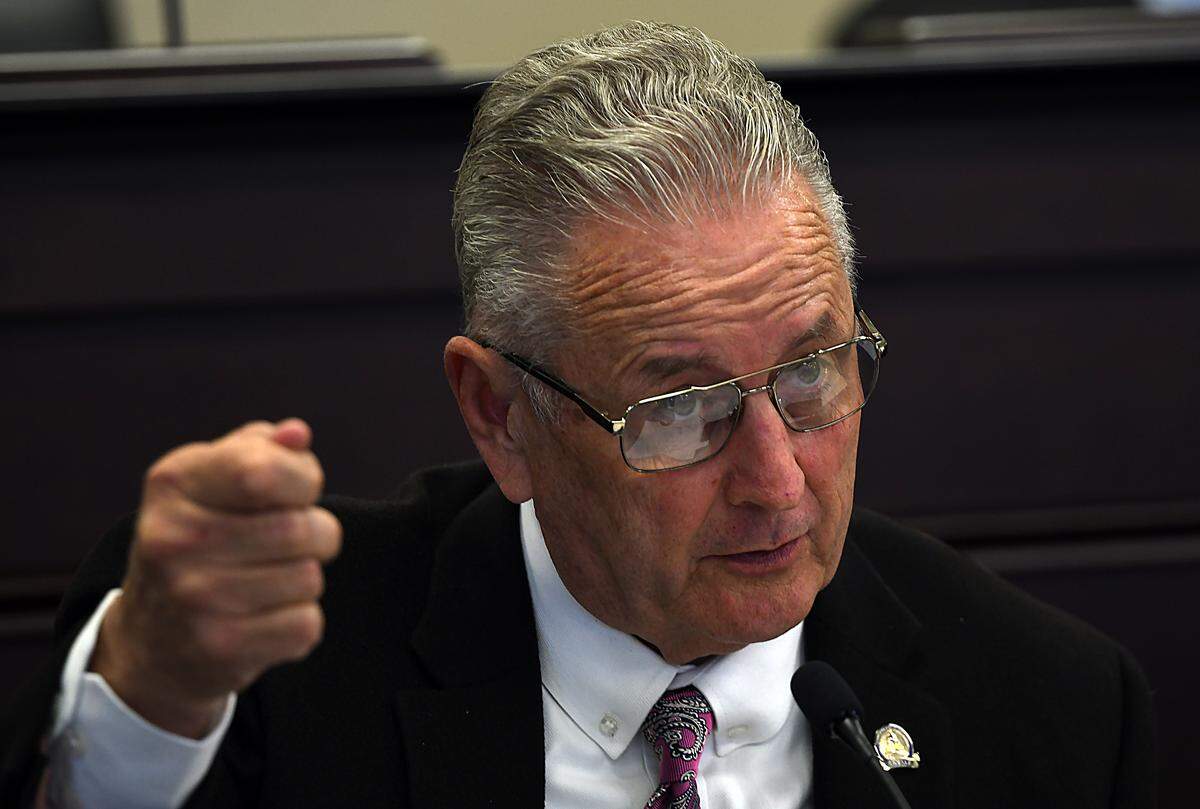
“I think it’s important for the public to understand that the legislature clearly prioritizes education,” Higdon, a member of the Education Committee, told the Herald-Leader. “We’ve seen strong proposals, especially in the Senate early in the 2026 session, to protect teachers and school employees (SB 101), and to improve accountability in response to real concerns from families and communities — Fayette County being one example.
“With Senate Bill 22, we’re taking another step to address Kentucky’s teacher workforce challenge in a way that values keeping bright young minds rooted in the communities that need them most,” Higdon added. “This bill strengthens local talent pipelines and gives students a reason to stay and serve where they’re already making a difference.”
Assessment and accountability
Rep. J.T. Payne, R-Uniontown, filed House Bill 257 on Jan. 8. It would make changes to Kentucky’s assessment and accountability systems to encourage districts to work more closely with their communities to establish priorities for their schools and help ensure all students have access to vibrant learning experiences.
Education Commissioner Robbie Fletcher supports the bill, said Department of Education spokesperson Jennifer Ginn. In his weekly e-mail message Thursday, Fletcher connected the legislation with efforts to reimagine assessment and accountability in Kentucky.
Payne serves as the assistant principal of the Henderson County Career and Technical Center, a news release from the Kentucky Department of Education said.
Under the legislation, statewide testing would continue to include math, reading, science and social studies. On-demand writing and editing mechanics would no longer be included in state assessments, which reduces testing time.
Ban on schools advocating on ballot measures
Sen. Steve Rawlings, R-Burlington, said during the 2024 election season, many legislators witnessed superintendents and school officials advocate against Amendment 2, the school choice ballot measure.
“There were newspaper articles, social media, Facebook posts, all advocating strongly against the ballot measure,” Rawlings said.
Current Kentucky law already requires tax dollars not to be used to advocate for or against a public question on the ballot.

“However, while the statute establishes this important prohibition, it currently lacks any enforcement mechanism,” Rawlings said.
“Even when public officials or entities use tax dollars in violation of this law, there are currently no meaningful consequences,” Rawlings told the Herald-Leader Thursday. “Senate Bill 59 includes criminal penalties and the ability for an aggrieved party to bring a civil action. Adding enforceable penalties provides a necessary safeguard and one that upholds the rule of law and reinforces that no one, not even government entities, is above it.
Health and safety issues
Rep. David Hale, R-Wellington, filed House Bill 7 Thursday. Under that legislation, a school district could install and maintain a camera monitoring system on any school bus operated by the school district for the enforcement of a civil penalty against the owner of a vehicle for a stop arm camera violation.
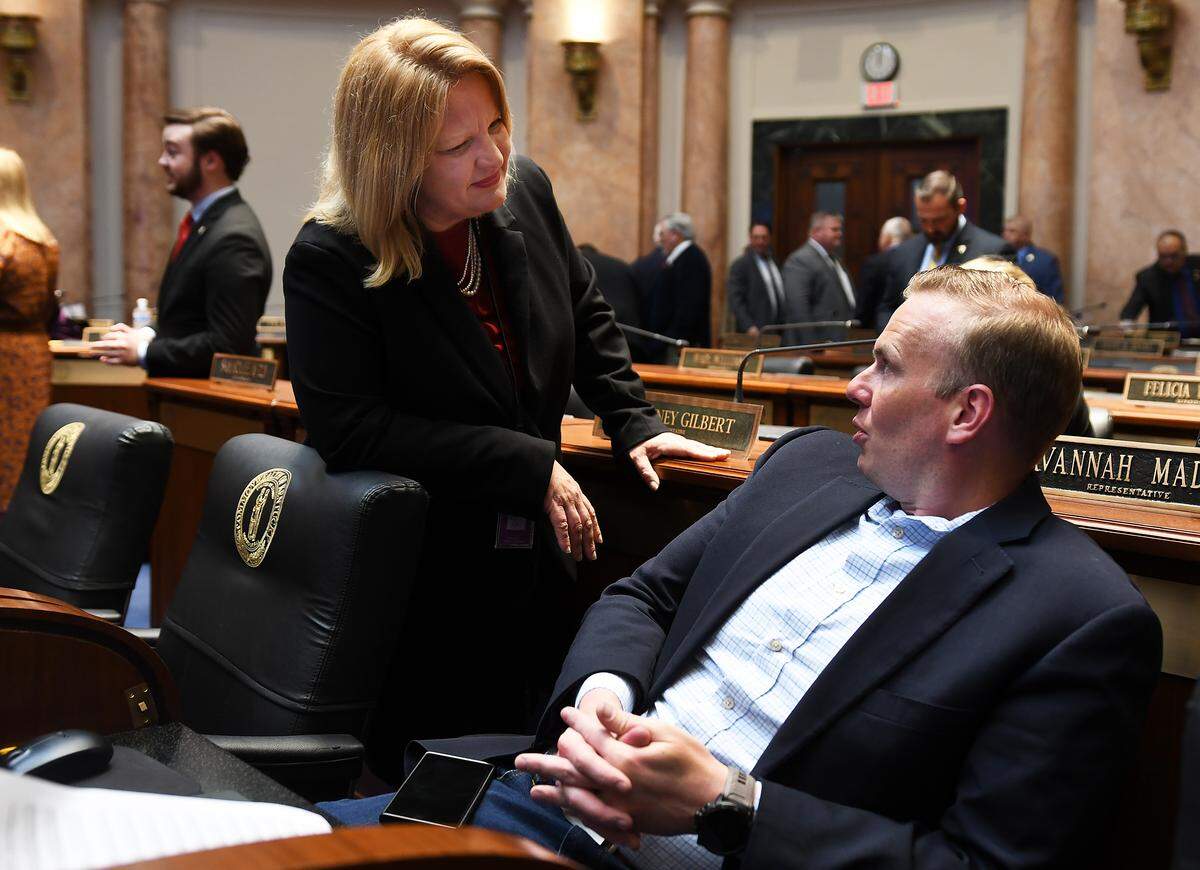
Rep. Steven Doan, R-Erlanger, told the Herald-Leader Thursday he sponsored House Bill 277 because he wanted to file a bill that would address nutrition in Kentucky schools and to advocate for healthier eating. It bans schools from selling or providing ultra-processed foods during the school day, beginning with the 2027-2028 academic year.
“This bill would remove certain chemical additives from food served in schools to children,” said Doan, noting that the bill was part of the legislature’s Make America Healthy Again agenda.
Naming a state mushroom
At least one bill introduced this week is student-driven.
Sen. Scott Madon, R-Pineville, has filed Senate Bill 19, which would designate the indigo milk cap as the official state mushroom of Kentucky.
“The idea for the bill came after a group of students from Letcher County approached Madon with an interest in recognizing a native species found throughout Kentucky’s forests. Their enthusiasm for learning more about local ecology and Kentucky’s natural resources helped shape the legislation,” a news release said.
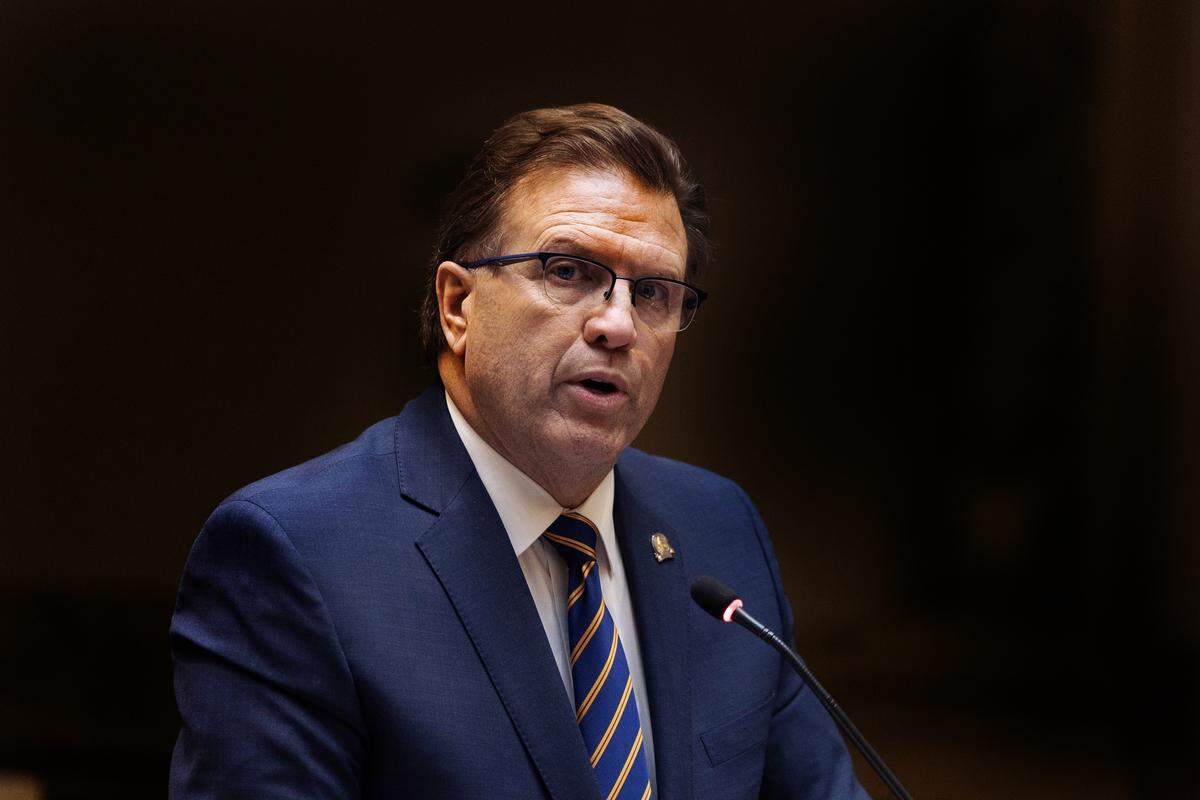
The indigo milk cap is a native mushroom species commonly found in Kentucky woodlands and forested areas.
“This bill started with students who were excited to learn more about what’s native to Kentucky and wanted to see that reflected at the state level,” Madon said in a news release Thursday. “I think it’s important that students understand how ideas become law, and I’m looking forward to giving them the opportunity to be part of that process.”