
Walgreens property-value lawsuit could cost Kentucky schools hundreds of millions of dollars
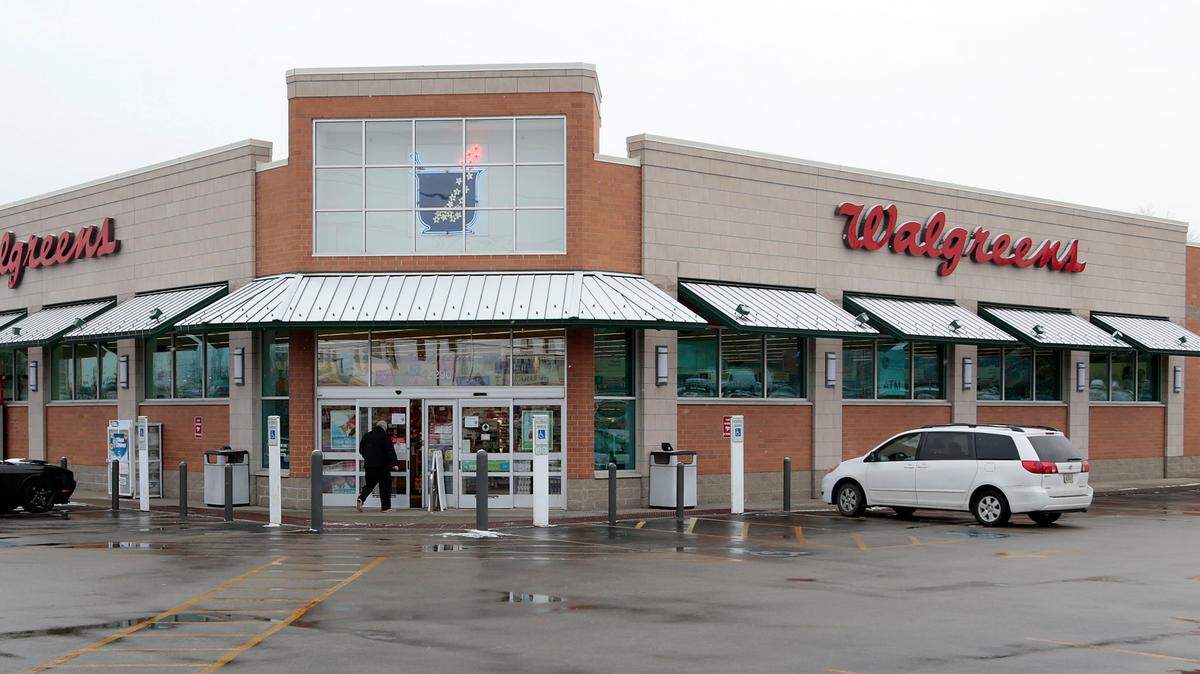
The Walgreens at 2290 Nicholasville Road looks like most of the national drugstore chain’s other 8,228 stores, carrying the same 18,000 or so items on its shelves.
The nondescript store, however, sits at the crux of a lawsuit that could cost Kentucky school districts “hundreds of millions of dollars,” according to Fayette County Property Valuation Administrator David O’Neill.
The store is worth $5 million, according to O’Neill, but Walgreens Co. has contested its property tax bill for the past two years, paying the taxes as though the store were worth only $3.4 million.
That, and similar appeals for six other Walgreens in Fayette County, amounted to a $200,224 loss for Fayette County Public Schools, O’Neill said.
If O’Neill and other PVAs in the state lose a test case in Fayette Circuit Court involving the Walgreens on Nicholasville Road, the resulting change in how PVAs assess commercial property could put a huge hole in the budgets of Kentucky’s 173 public school districts.
Without an aggressive defense, the company’s decision to pay less “would not only negatively impact the school boards for these particular assessments, but would have profound negative impacts down the road and across other jurisdictions,” O’Neill said.
Of the 10 current appeals from Fayette County to the Kentucky Board of Tax Appeals, seven involve Walgreens properties. Statewide, the corporation has appealed the valuation on more than 20 of its 94 stores to the state board of tax appeals.
Phil Caruso, a spokesman for Walgreens, defended the company’s actions, saying it is behaving “like any taxpayer who believes their real estate assessment is excessive.”
“We have the right to appeal and we are exercising that right,” Caruso said.
At the heart of the company’s lawsuit is its contention that Kentucky PVAs are using the wrong methodology to determine the value of its stores.
In general, Kentucky property owners pay taxes based on the value of their properties, including homes and automobiles. It’s the job of the property valuation administrator in each county to assess the value of all real estate.
There are three accepted practices for determining a property’s value:
For a residential property, PVAs usually base their estimates on comparable sales in a given neighborhood.
For a new commercial property, PVAs sometimes look at the construction cost.
For an existing commercial property, PVAs usually determine a value by calculating how much income it can generate. In other words, what could a real estate holding company collect by renting the property over time to a corporation, such as Walgreens?
Assistant Fayette County Attorney Richard Vimont, who is representing O’Neill’s office in the Walgreens case, said Walgreens pays $430,000 in rent annually on just one property.
Walgreens, however, contends that its stores should be assessed based on the value of comparable properties, not the amount of income they can generate.
The local board of tax appeals and the state board of tax appeals both agreed that the methodology used by O’Neill’s office is correct, which is why Walgreens took the case to Fayette Circuit Court.
If Walgreens loses, it will have to pay taxes on the PVA’s assessed value, plus interest. But appeals often take months or years to be resolved, and in the meantime, schools lose the funding that PVAs determined they were entitled to receive.
Vimont said the “unfairness in the system” is that under state law, “the property owner comes in and declares a value and nobody can question that, and that’s what they pay taxes on as long as there is an appeal pending.”
Meanwhile, schools are spending tax money to fight Walgreens in court.
O’Neill said he and officials in Fayette County Attorney Larry Roberts’ office sought funding from school officials in Fayette and other counties to defend the Walgreens case before the Kentucky Board of Tax Appeals. “We need to defend this properly,” O’Neill said he told school officials. “We need to bring in professional appraisers to help us defend this case. We need some help paying for it. Will you help us with our legal expenses?”
“It’s very rarely ever done,” O’Neill said of the decision to ask school districts for money.
Fayette County Public Schools contributed $8,737 to the cause, said Kara Read Marino, an attorney representing the school system in the matter. Other Kentucky school districts pitched in for a total of about $26,000, Marino said.
How much is Marriott Griffin Gate Resort worth?
When hotel owner Inland American Lodging bought the Marriott Griffin Gate Resort on Newtown Pike in 2012, it shelled out $62.5 million for the 105.3-acre property.
But when the property tax bill came due for the 400-room hotel, spa and golf course in 2013, Inland American Lodging had a different value in mind: $35.5 million.
How did the hotel lose almost half its value in one year?
Mark Sommer, an attorney for Inland, said the company had no comment.
But Fayette County Property Valuation Administrator David O’Neill said Inland maintained that its purchase price “included more than just the land, the bricks and the mortar,” that it included the value of the name Marriott Griffin Gate and other tangible personal property that should not be included in the PVA’s assessment.
As a result, at least $157,000 that would have been paid in property taxes to Fayette County Public Schools has been delayed as the company appealed its $62.5 million assessment for the past two years, O’Neill said.
In early February, O’Neill said a settlement was in the works.
The proposed settlement would set the hotel’s value in 2013 at $43.4 million, resulting in Inland American paying a possible additional $91,682 in property taxes, which are divided among schools, local governments and the state. The hotel’s proposed value for 2014 is $48.5 million, resulting in a possible additional payment of $126,621.
This story was originally published February 14, 2015 at 5:05 PM.