
What’s shrinkflation? How to spot and avoid sneaky price hikes at the grocery store
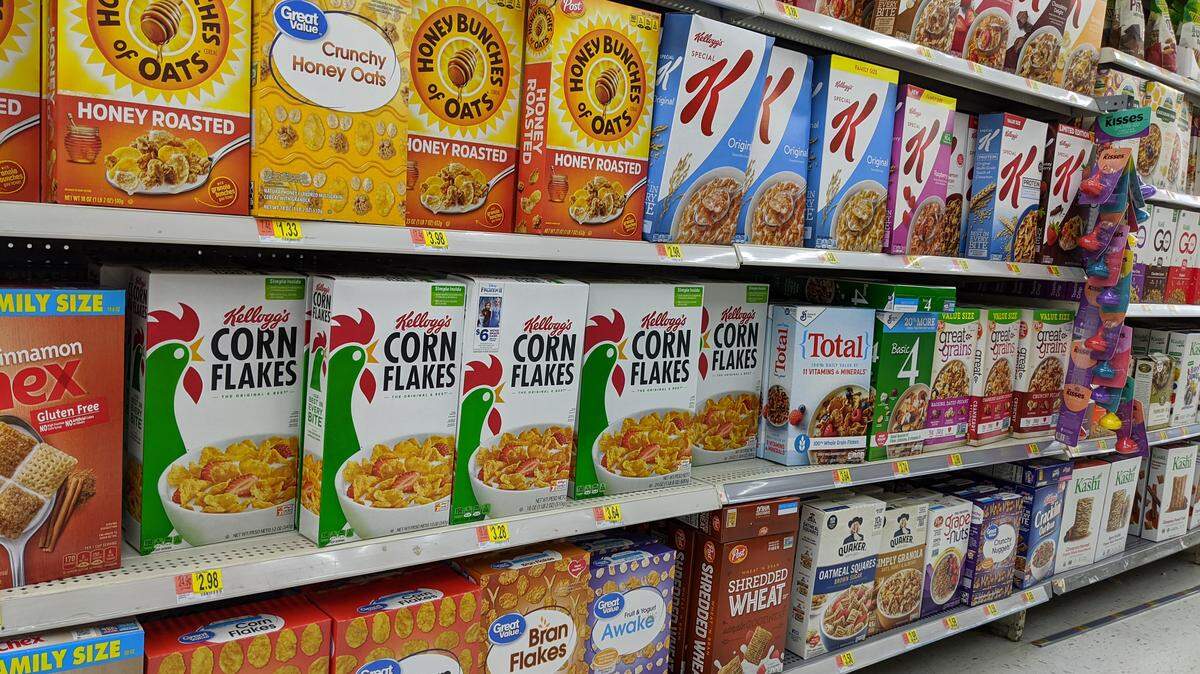
The price of gas, groceries and other consumer goods has risen steadily in the last few months, causing sticker shock for some shoppers. But these rising costs aren’t always obvious.
Consumers may unknowingly pay more for less product due to a not-so-new phenomenon called “shrinkflation.” This occurs when manufacturers shrink the contents of a product’s packaging but maintain the price point to offset the cost of inflation.
The result is a little less than a half-gallon in that tub of your favorite cookie dough ice cream or fewer sheets on a roll of toilet tissue.
“What is it that consumers remember about the value of a product ... they buy with some frequency? What you keep track of is price,” Andrew Novakovic, professor of agricultural economics emeritus at Cornell University, told McClatchy News. “You don’t keep track of how big the container is because, until recently, you didn’t expect that that was going to be part of the deal.”
Rather than raise prices outright, companies provide less product because it’s less noticeable to buyers — or so they think.
General Mills was outed for it after downsizing the contents of its “family size” boxed cereals from 19.3 ounces to 18.1 ounces, according to NPR. The makers of Royal Canin pet food also downsized to 5.1-ounce cans instead of the usual 5.9-ounce, The Washington Post reported.
Michael Jewsbury said he immediately noticed the change, as did his 16-year-old cat Maurice, according to the newspaper.
“It just showed up at my doorstop in a smaller size,” Jewsbury, 44, told the paper of his biweekly order from pet retailer Chewy.com. “There was no explanation, no notification. It really bugged me.”
Why shrinkflation?
Consumers may see “shrinkflation” as a cash grab by major manufacturers. However, industry experts say it’s just one of the ways companies cope with higher costs fueled by inflation, shortages and supply chain snarls.
“The companies have to do something,” Bailey Norwood, a professor of agricultural economics at Oklahoma State University, told Nexstar. “They realize they can’t supply the normal amount at the normal price. Something’s got to give.”
The other options are using lower quality ingredients to cut production costs or simply raising the price of the product, the news outlet reported. The latter might put off some buyers, especially those who are shopping on a budget.
“A consumer isn’t asking the question ‘how big is the package?’; the consumer is asking ‘how much money do I have to put on the table?’” Novakovic said. “That’s really the underlying economics on shrinkflation. It’s really more of a behavioral economics question than anything else.”
How do you spot shrinkflation?
To avoid being tricked into spending more, industry experts advise shoppers to keep an eye on a product’s net weight or price per ounce.
“Consumers are price conscious — they’ll spot that price increase — but they’re not net-weight conscious,” consumer advocacy lawyer Edgar Dworsky told ABC News. “That’s kind of how manufacturers take advantage because you don’t have those sizes memorized.”
“So what consumers can do is they have to become net-weight conscious,” Dworsky, former Massachusetts assistant attorney general, added.
This story was originally published March 10, 2022 at 12:41 PM with the headline "What’s shrinkflation? How to spot and avoid sneaky price hikes at the grocery store."