
2-year-old dies after exposure to E. coli traced to Tennessee petting zoo, report says
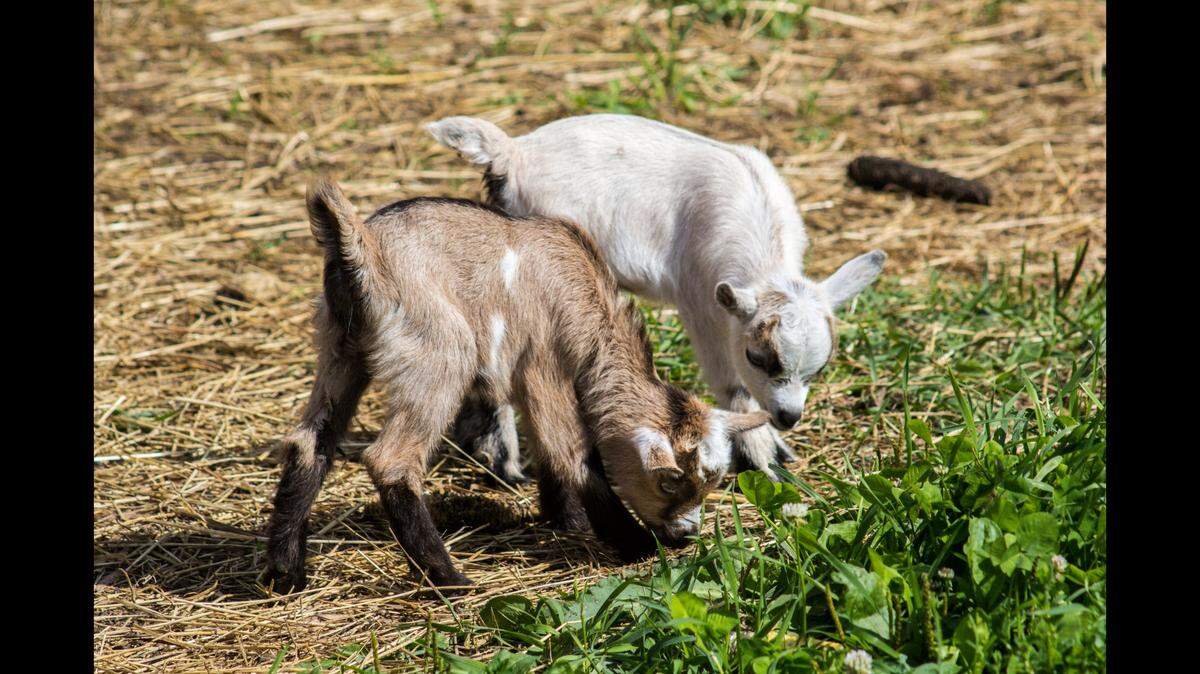
A 2-year-old died after being exposed to E. coli, which was traced to baby goats at a Tennessee petting zoo and farm, a report shows.
A group of 82 children attending a summer camp at Lucky Ladd Farms in June were exposed to a “serious strain” of E. coli, according to Jason and Amy Ladd, who posted a statement on their farm’s Facebook page on Oct. 18 detailing the results of an investigation into the exposures.
The 2-year-old was not at the petting zoo, but was a family member of one of the children who attended the camp. The toddler developed Hemolytic uremic syndrome after the exposure and died, News Channel 5 Nashville reported, citing a Tennessee Department of Health report. It is unclear when the child died.
Another child was also hospitalized, according to the TV station.
A spokeswoman for the Tennessee Department of Health did not respond to a request for comment from McClatchy News.
Hemolytic uremic syndrome causes damage to the kidneys and can lead to kidney failure, which can be fatal, according to the Mayo Clinic. The syndrome is, in many cases, caused by infection with certain strains of E.coli bacteria.
According to the Ladds’ statement, two primary cases of E. coli infection and one secondary case were confirmed by the health department. Primary cases are people who attended the summer camp and tested positive for E. coli and a secondary case is a close contact of an attendee who tested positive.
The outbreak was likely caused by close contact with baby goats at the farm, the Ladds’ statement says.. Investigators, who took samples from around the family farm and petting zoo, later found that two samples taken from the area where the goats were kept tested positive for E. coli.
The farm’s response
Lucky Ladd Farm, which is located in Eagleville, about 45 miles south of Nashville describes itself as “Tennessee’s largest petting farm and ag-venture family fun farm park,” according to its Facebook page.
The farm closed voluntarily after learning about the possible health risks, according to the Ladds.
The two children who attended the camp and tested positive for E. coli had been working with two specific goats, which were later euthanized, the Ladds’ statement says. An old barn in the area was also torn down, the soil was stripped and turned, and the lot was kept empty for 90 days so that it could be naturally disinfected by sunlight.
No further cases of E. coli have been found at the facility beyond the summer outbreak, according to the farm.
E. coli infections
E. coli are bacteria that normally live in the intestinal tracts of humans and animals, according to the Centers for Disease Control and Prevention. Many strains are harmless but some can cause serious illness. The bacteria can be transmitted through contaminated food or water or contact with animals, the agency says.
In their post, the Ladds detailed ways that people can try to keep themselves safe, such as by washing hands and sanitizing often, especially after interacting with animals.
“Our family and staff continue to offer our prayers and heartfelt condolences to everyone affected by the very sad outcome that occurred in June,” the statement says. “...We do our best to educate all guests of the potential risks before your visit by sharing information on our website, through online ticketing system, and with signage across the farm.”