
Baby gorilla rejected by mom at Washington zoo. Now a ‘critical decision’ is made
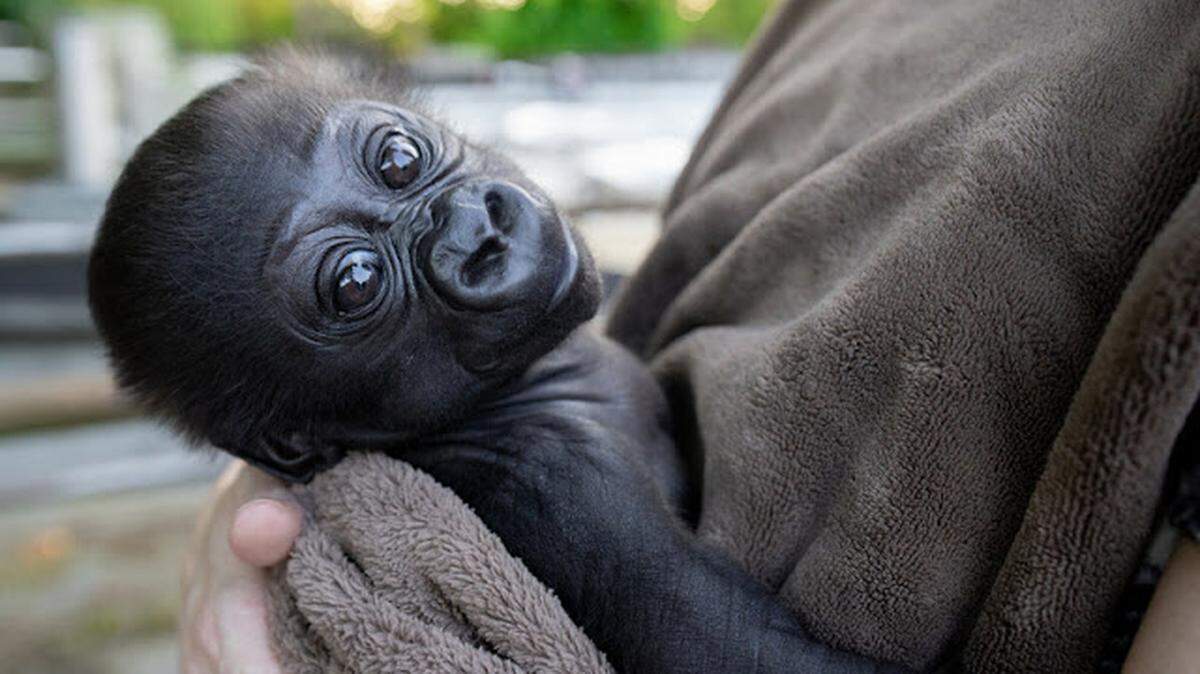
Staff members at the Woodland Park Zoo in Washington said they have exhausted all options for the baby western lowland gorilla rejected by his mother in June.
Now, the little one will go to a new home in experts’ hopes of him bonding with a surrogate gorilla mother.
“Woodland Park Zoo has made a critical decision,” staff wrote in an Aug. 12 news release. The baby will join another zoo where he will be cared for by a new gorilla mom and “socialized with a multigenerational family of gorillas.”
Since the baby boy’s birth on June 28, the staff at the Seattle zoo have been “hand-rearing” — also known as human-raising — the baby round-the-clock. They have tried periodically to reintroduce him to his mother, Akenji, to no avail. Despite new mother training and keepers’ coaxing, Akenji is simply disinterested in the baby.
With Akenji no longer an option, zoo staff tried to initiate a surrogacy under their own roof.
“For the last several weeks, the focus has been on training three experienced gorilla moms living at the zoo as potential surrogates,” the zoo said. However, “progress has not advanced fast enough.”
All the while, the 24/7 hand-rearing of the baby has entailed quite a bit from keepers. Concern about hand-rearing goes back decades, and the zoo shares in experts’ skepticism of it as a permanent solution.
“The longer he’s cared for solely by humans, the more he is hindered from learning the complex social cues of gorillas and the higher the risk of becoming imprinted on humans,” Martin Ramirez, interim senior director of animal care at Woodland Park Zoo, said in the release.
Rachel Vass, interim animal care manager, described what it was like to be on the overnight shift with the baby, who was still feeding every two hours.
“When I have the baby, I act like a gorilla as much as possible and get him used to life in a troop,” she said in an Aug. 2 news release, detailing how she crawls on the ground and vocalizes to get the baby familiar with his own.
As the baby gets bigger, hand-rearing only gets harder.
“His grip is VERY strong. Imagine being pinched as hard as possible,” Vass said.
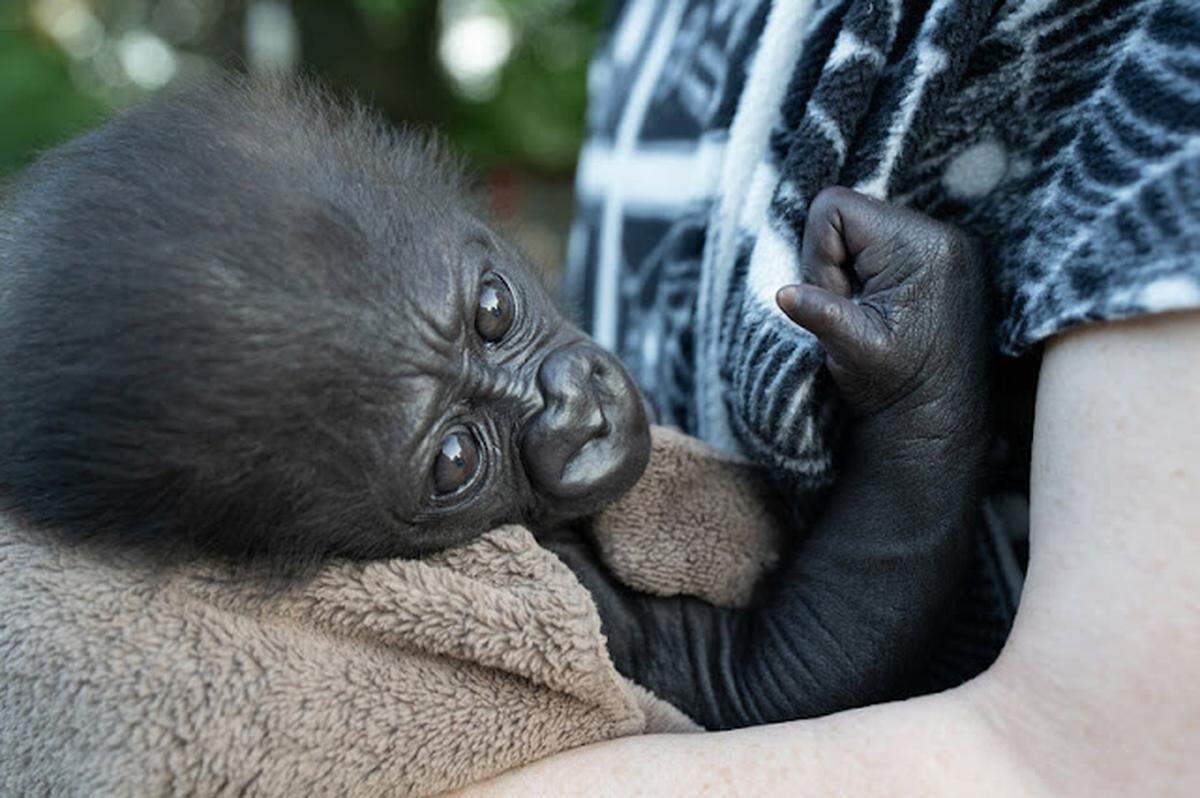
Gorillas are the largest of all great apes, according to the Smithsonian. Stockier than humans, with more muscle and tons of fur, a gorilla mom wouldn’t wince under the might of her baby’s grip. But for a human, a fast-growing gorilla baby will soon be too much to handle.
“Just wait until he starts teething,” Vass said.
Ramirez said that as the baby continues to reach “important developmental milestones”, it’s essential that he be raised “directly in the care of gorillas.”
The zoo did not say exactly where the baby will end up. The zoo is working with the Gorilla Species Survival Plan, a program across 51 zoos that helps ensure the growth, health and survival of gorilla populations in U.S. zoos, including western lowland gorillas, which are critically endangered. The Species Survival Plan keeps a list of surrogate mothers across the country should a situation like this arise.
“While we hoped for a different outcome, this is the best decision for his long-term benefits and well-being,” said Ramirez. “We’re confident the infant will be placed in a great home.”
This story was originally published August 13, 2024 at 6:19 PM with the headline "Baby gorilla rejected by mom at Washington zoo. Now a ‘critical decision’ is made."