Homeowners hear ‘crying’ under house — leading to mama bear’s ‘nursery.’ See the cub
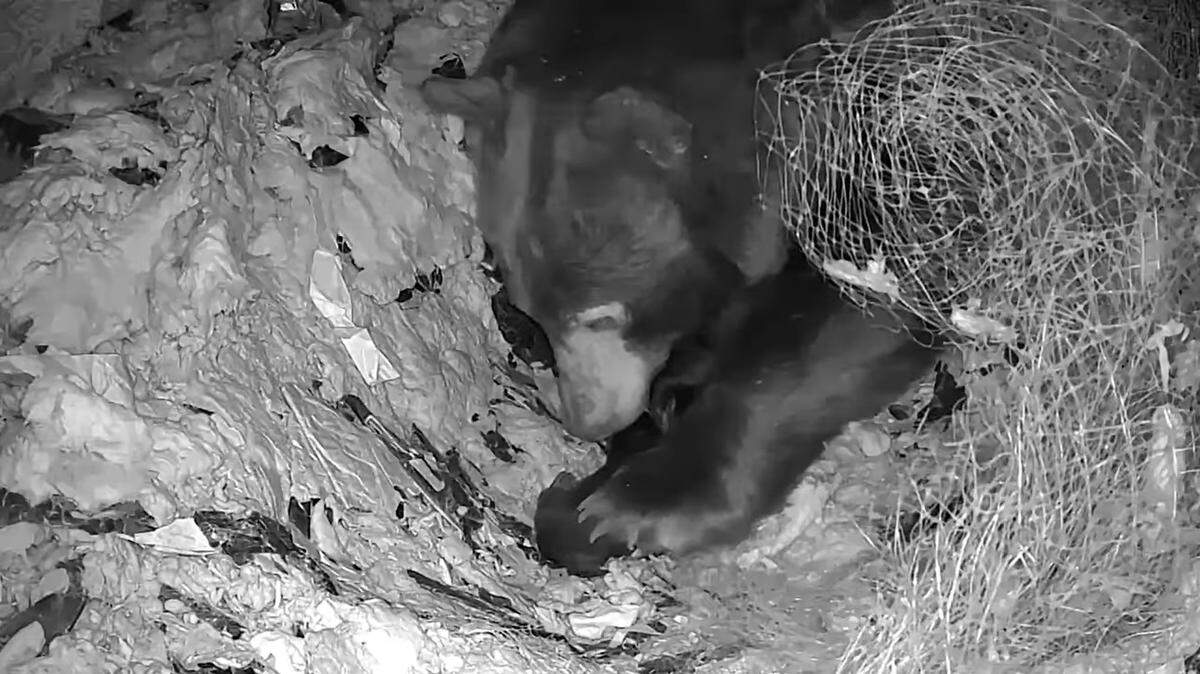
A homeowner was perplexed by the sound of “something or someone” crying under their house in California — and it led to a precious discovery.
A mama bear had turned the area beneath the house into a nursery and had given birth to her baby, which was now crying the same way an infant would, video shows. The BEAR League, a nonprofit organization dedicated to protecting Tahoe bears, says situations like this are actually quite common there this time of year.
“It’s that magical time of the year,” the organization said on Facebook on Jan. 29. “All the tiny little bear cubs are being born — starting the second week of January thru the middle of February. BEAR League is Thrilled to introduce Mama ‘Sugar Bear’ and her two and a half week old cub, ‘Snow Flake.’”
The group says its staff gets calls from Tahoe homeowners each year “that something or someone is crying under their house,” the nonprofit said in the post. “Upon investigation, this is usually what we find.”
The video shows the tiny cub crying out as it struggles and rolls around in the den. Sugar Bear licks at her baby’s head and then comforts it tenderly with her giant paw, which is almost bigger than the cub itself.
The sweet gesture delighted thousands of people who watched the video.
“The way she ever so gently touches her cub,” someone wrote in the comments. “I never knew they could do that.”
Several others also commented on the mother’s tender touch.
“Sweet baby mama is so tender with her baby,” someone said.
“Such gentle touch from that huge paw,” another said.
The BEAR League explained to the homeowner that it wouldn’t be possible to move mom and baby at this point, and set up a “specially designed” non-invasive camera — a bear baby monitor — to “keep an eye on the under-house-guests while the Mamas tenderly care for their precious babies and prepare for their emergence into the world in April.
“We have a team of BEAR League volunteers who take turns watching the cameras 24/7,” officials said. “Right now we have three homes in the Tahoe Basin with newborn cubs who we are responsible for.”
Several people also said they were concerned about the baby getting caught in a mass of tangled netting next to the little family. The league said staff removed the netting within a few hours of the footage and couldn’t remove it while installing the cameras because it could risk traumatizing mama bear.
“It’s important for everyone to keep in mind that neither the homeowners or the BEAR League knew of a bear being under any of these homes until after the cubs were born,” officials said. “If we get calls up until before the end of the first week in January about a bear under a house and there is a chance this is an expectant mother, we look at all the surrounding important details before deciding — with the homeowner — whether to leave her or move her to a better location.”
If the yard outside the den won’t be safe for the vulnerable cubs to venture into, whether because of a busy road nearby, a lack of accessible trees for the cubs to learn to climb, unleashed dogs in the neighborhood or close neighbors who aren’t comfortable with the situation, it’s often best to move the expectant mother bear to a better spot, officials said.
“I would be so honored if a mama chose my basement as her nursery. I’m a little envious of the owners that are able to keep the bears safe and don’t need to relocate them,” one person commented.
The BEAR League promised more videos are coming.
“Soon we will introduce you to the other bear families and invite you to fall in love with them and help the BEAR League wish them the Very Best that life has to offer … and pray that the world will be good to them,” the group said.
What to do if you see a bear
Bear attacks in the U.S. are rare, according to the National Park Service. In most attacks, bears are trying to defend their food, cubs or space.
There are steps people can take to help prevent a bear encounter from becoming a bear attack.
Identify yourself: Talk calmly and slowly wave your arms. This can help the bear realize you’re a human and nonthreatening.
Stay calm: Bears usually don’t want to attack; they want to be left alone. Talk slowly and with a low voice to the bear.
Don’t scream: Screaming could trigger an attack.
Pick up small children: Don’t let kids run away from the bear. It could think they’re small prey.
Hike in groups: A group is noisier and smellier, the National Park Service said. Bears like to keep their distance from groups of people.
Make yourself look big: Move to higher ground and stand tall. Don’t make any sudden movements.
Don’t drop your bag: A bag on your back can keep a bear from accessing food, and it can provide protection.
Walk away slowly: Move sideways so you appear less threatening to the bear. This also lets you keep an eye out.
Again, don’t run: Bears will chase you, just like a dog would.
Don’t climb trees: Grizzlies and black bears can also climb.
This story was originally published January 31, 2025 at 3:49 PM with the headline "Homeowners hear ‘crying’ under house — leading to mama bear’s ‘nursery.’ See the cub."