
42 apex predators that feast on venomous snakes released in Florida. What to know
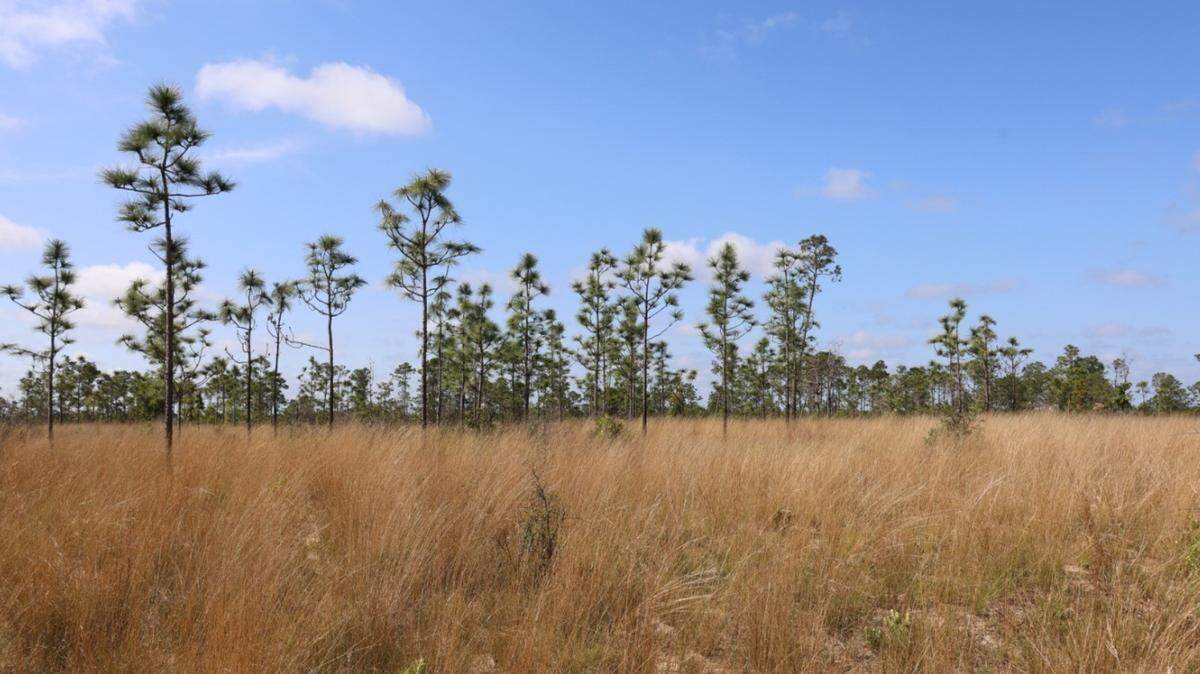
Biologists trudged through the grassy nature preserve carrying cloth bags that contained fearsome-seeming cargo: 42 snake-eating apex predators.
The conservation program has now released 209 Eastern indigo snakes in Florida as part of efforts to revitalize the population of the rare species, The Nature Conservancy announced.
During the ninth annual release, the team let 42 snakes loose into the Apalachicola Bluffs and Ravines Preserve, where the species hadn’t been seen since 1982 until reintroduction efforts began in 2017, organizers said.
Biologists hatched the snakes in captivity at the Central Florida Zoo & Botanical Gardens’ Orianne Center for Indigo Conservation. The snakes then were raised at Welaka National Fish Hatchery until they reached the age of 2 and were ready to be released into the wild.
The Eastern indigos look formidable on paper — they eat venomous snakes, and they’re the longest snakes native to the U.S. — but they’re non-venomous themselves and aren’t aggressive when approached, researchers say.
The snakes are known for their sleek, sometimes iridescent bluish-black scales and their ability to reach 9 feet in length, according to the National Park Service. They live in symbiosis with gopher tortoises, using their burrows for shelter and laying eggs, researchers with the Florida Fish and Wildlife Conservation Commission said.
Habitat loss and fragmentation have contributed to the decline of the snakes from their historical range in the Southeast, including in Georgia, Alabama, Mississippi and Florida.
The population has been mostly whittled down to Florida and parts of southern Georgia, although the Central Florida Zoo has also released Eastern indigos in Alabama.
During a 2024 survey at the Florida preserve, the team said it found a 6-foot-long male, a “testament to the health and longevity of the snakes released here.” Researchers also celebrated the milestone discovery of two hatchlings in 2023, which proves the species has begun producing a new generation of wild-hatched snakes.
“In our longleaf pine-wiregrass savannas, we want the complete suite of species here, including birds, mammals, insects and an apex predator: the eastern indigo snake,” said Catherine Ricketts, manager of the Apalachicola Bluffs and Ravines Preserve. “These snakes are a key component of restoring north Florida’s longleaf pine forests.”
The preserve has undergone restoration of the longleaf pine and sandhill ecosystems, making it a suitable habitat for the species’ reintroduction, Ricketts said.
Last year, the team released 41 snakes, McClatchy News previously reported, just barely making this year a record for the most Eastern indigos released into the wild.
This story was originally published May 2, 2025 at 6:12 PM with the headline "42 apex predators that feast on venomous snakes released in Florida. What to know."