
Telling artifact found on wreck of Andrea Doria that sank in 1956 off East Coast
A key artifact has been recovered by divers exploring a fissure in one of the most notorious shipwrecks off the East Coast of the United States.
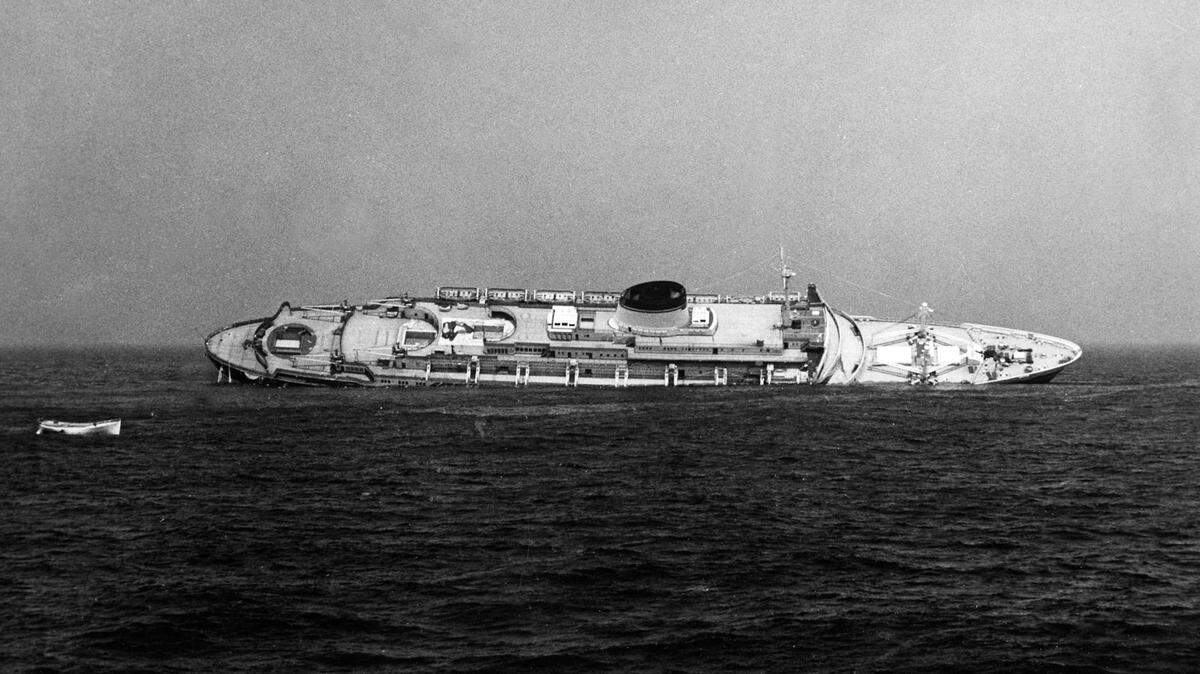
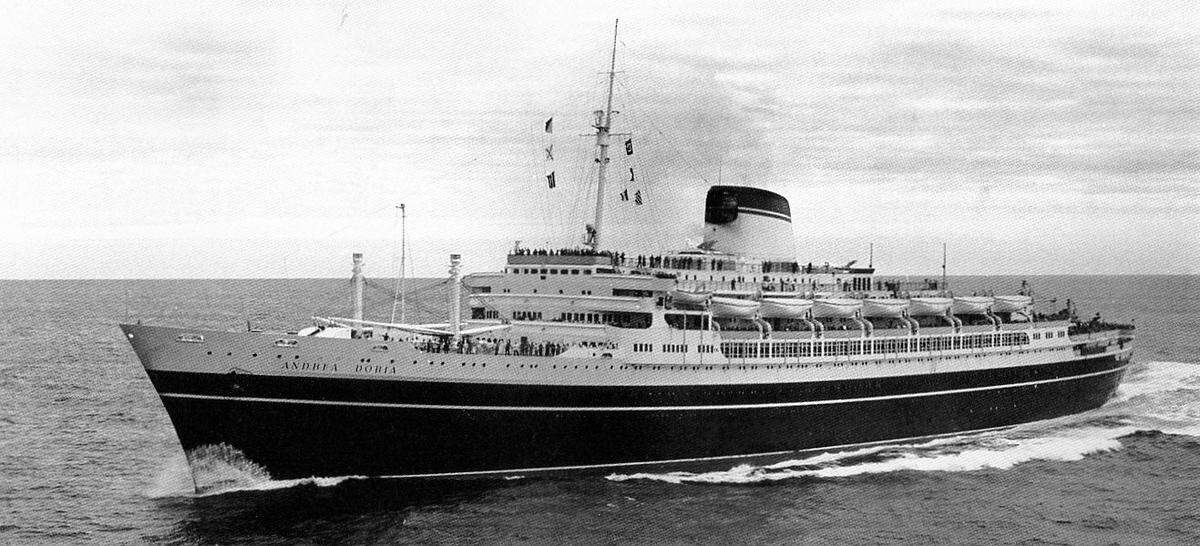
The SS Andrea Doria was loaded with 1,706 people when a Swedish ocean liner crashed into her side in 1956 off Nantucket Island, Massachusetts,, sending the ship on a slow descent to the Atlantic Ocean seafloor.
Countless bric-a-brac has been pulled from the shipwreck in the decades since, but on July 13, divers with Atlantic Wreck Salvage found something significant: a compass from the bridge.
_fitted.jpeg "2. IMG_3587 (2)_fitted.jpeg")
Given the once “glamorous” ocean liner’s demise was due to a collision in the dark, the navigation equipment is highly sought after, experts say.
“Finding any artifact from the Andrea Doria is significant because ... (the) collision and aftermath captivated both lay and maritime aficionados,” Atlantic Wreck Salvage President Joe Mazraani told McClatchy News in an email.
“The fact that the artifact here is a bridge wing compass repeater that will likely have been consulted during the fateful voyage and ultimate collision between Andrea Doria and Stockholm makes this find all the more meaningful.”
Better still, the compass was found in good condition, other than the glass and compass card being missing, he said.
It stands 5-feet tall, weighs 150 pounds and is made of bronze, which does not degrade as quickly as iron in the ocean, he said.
The compass is undergoing restoration and the process could take years. But the end result could have it looking like new, he said.
How the compass was found
The 700-foot-long wreck of the Andrea Doria sits 240 feet down in an area with “heavy and unpredictable currents,” Atlantic Wreck Salvage reports.
It has also become increasingly treacherous due to the wreck collapsing under its own weight.
Niches and crevasses are forming between the hull plates, and those tight spaces hold hidden artifacts, Mazraani says.
It’s in one such niche that the repeater compass was found, buried in a pile of debris that included fishing nets and cables.
“The fissure was about 20 feet wide and maybe 8 feet long. It was extremely difficult for a normal-sized person to get close to the compass,” Mazraani says.
“Diver Chris Ogden and I worked on raising this artifact together. We could touch it and move it, but it was very difficult to get near enough to it to have any significant leverage.”
It took four dives to retrieve the compass and raise it to the surface with a balloon, he says.
When restored, the compass will be made available for display at public events and exhibits, according to Atlantic Wreck Salvage spokeswoman Jennifer Sellitti, who is a crew member of the Diving Vessel Tenacious that retrieved the compass.
The same expedition also retrieved unbroken dinnerware, including pieces that may have been souvenirs purchased in Italy by passengers, she says.
“One of the pieces has been identified as Faenca-Gaofano-Carnation, a brand of hand-painted Italian ceramics. We have not specifically dated the dishware, but it is consistent with dishes made in the 1950s,” Sellitti said.
Andrea Doria’s demise
A collision with the MS Stockholm sank the Andrea Doria in a dense fog on July 25, 1956, the Noble Maritime Collection says.
“Both (ships) had radar equipment, but only the Stockholm had a reinforced steel bow, capable of breaking through icy waters in the North Atlantic — a feature which would prove disastrous,” the museum reports.
“At about 10:45 p.m. the radar on the Andrea Doria noted an approaching vessel at 17 nautical miles away. Captain Piero Calamai and the other officers determined that the other ship was on a parallel route and would soon pass the Andrea Doria.”
That assumption proved deadly. The ships were on a collision course, which was discovered too late, historians say.
“The impact killed 46 passengers in their cabins on the Andrea Doria and five crew members of the Stockholm who had been working in the bow,” the museum reports.
“Immediately the Andrea Doria began to dangerously list to her starboard side. Remarkably, she stayed afloat for 11 hours, allowing for the successful rescue of her surviving passengers and crew.”
Nearly 70 years later, the wreck is known as “the Everest of diving” because of its popularity.
“People often have strong reactions to the idea of historical salvage, and some express the belief that artifacts should remain with the ship,” Sellitti says.
“The reality is that wrecks in the North Atlantic deteriorate quickly, and our best chance of preserving their history is to raise artifacts and that more people can see them and connect to their history.”
This story was originally published July 29, 2025 at 10:39 AM with the headline "Telling artifact found on wreck of Andrea Doria that sank in 1956 off East Coast."