Roman ‘dry cleaners’ shop — almost 2,000 years old — uncovered along Pompeii street
You gather up your dirty clothes, wash them, dry them and put them away. Although routinely put off, laundry is a habitual task and, as archaeologists in Italy were recently reminded, also a very old task.
The ancient Roman city of Pompeii was buried when the nearby volcano, Mount Vesuvius, erupted in 79 A.D. The eruption froze inhabitants in their tracks. Daily life screeched to a halt. The well-preserved city became a partially stunning, partially horrific time capsule.
Archaeologists have been excavating Pompeii for over a century, but about a third of the ancient site remains unexplored, according to a Thursday, Feb. 27, news release from the Pompeii Archaeological Park.
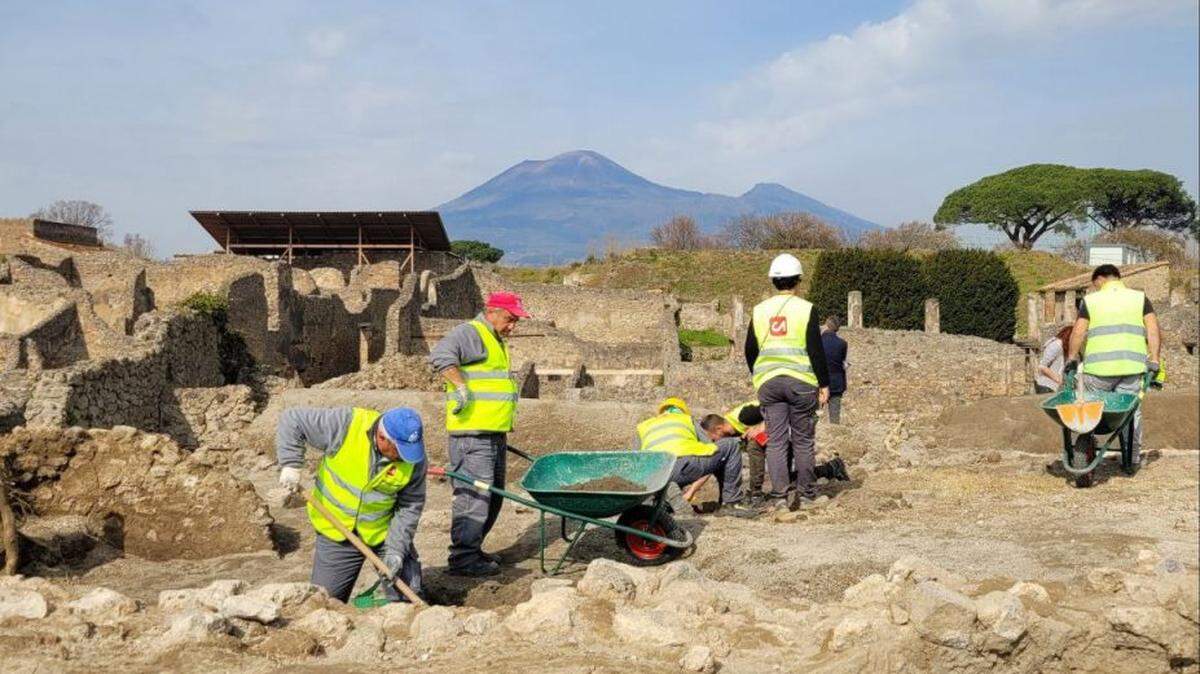
One of these previously unexplored portions is Insula 10 of Regio IX along the Via di Nola. This section, about the size of a city block, was used as farmland during the 18th and 19th centuries, the release said. People continued to farm this area until 2015, when the land became part of the archaeological park.
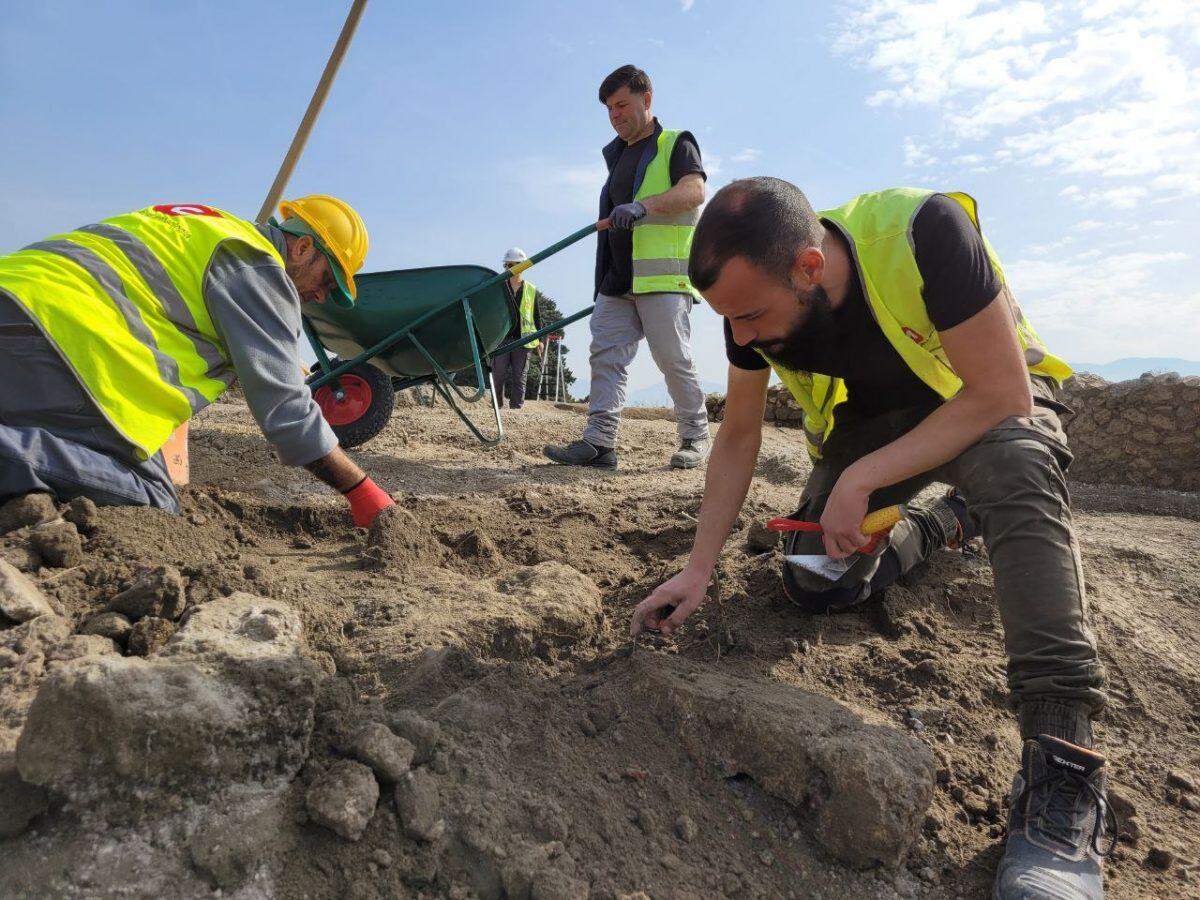
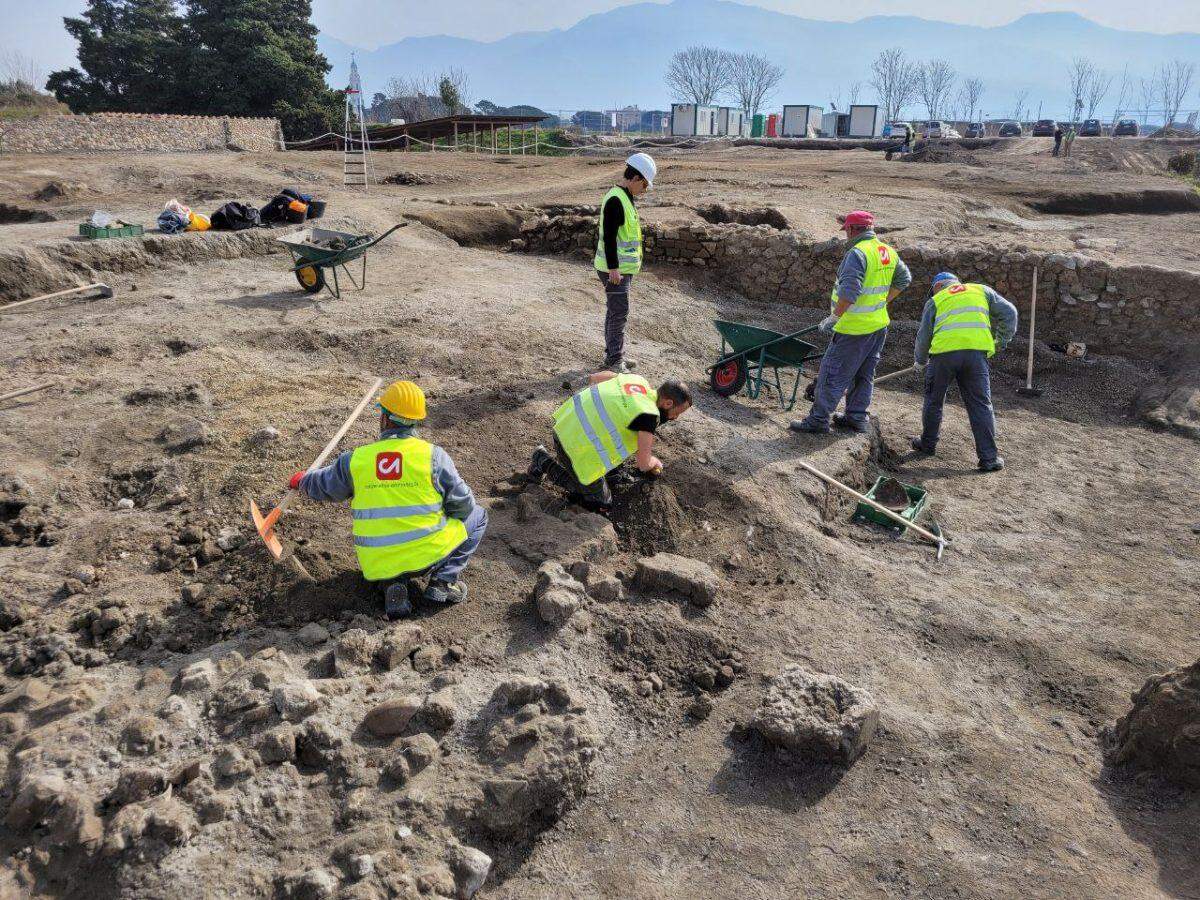
Excavations along the ancient street have just begun, but archaeologists already uncovered the ridges and upper floors of several buildings, park officials said.
One of these buildings was a house converted into a fullonica, or laundry shop, archaeologists said.
In ancient Rome, a fullonica, sometimes referred to as a fullery, was a shop where launderers were paid to do people’s washing, according to the World History Encyclopedia. Dry cleaner shops are the closest modern-day equivalent of fullonica.
Because soap was not yet invented, ancient Romans used urine — both animal and human — as laundry detergent, according to Pompeii Archaeological Park. The urine was collected in pots found along the city streets.
Urine contains ammonia, a base substance, which cleans dirt and grease stains by counteracting their slightly acidic nature, the Smithsonian Magazine reported.
Ancient Romans would bring their clothes to the fullonica and pay for laundry services, according to the World Encyclopedia. Laundry workers would first wash the clothes in vats filled with water and urine then walk barefoot on the clothes for a period of time. Next, the workers would rinse the clothes by hand and beat them with a stick to remove any lingering dirt. Once dirt and stains were gone, the clothes were dried on racks and either delivered to or picked up by their owners.
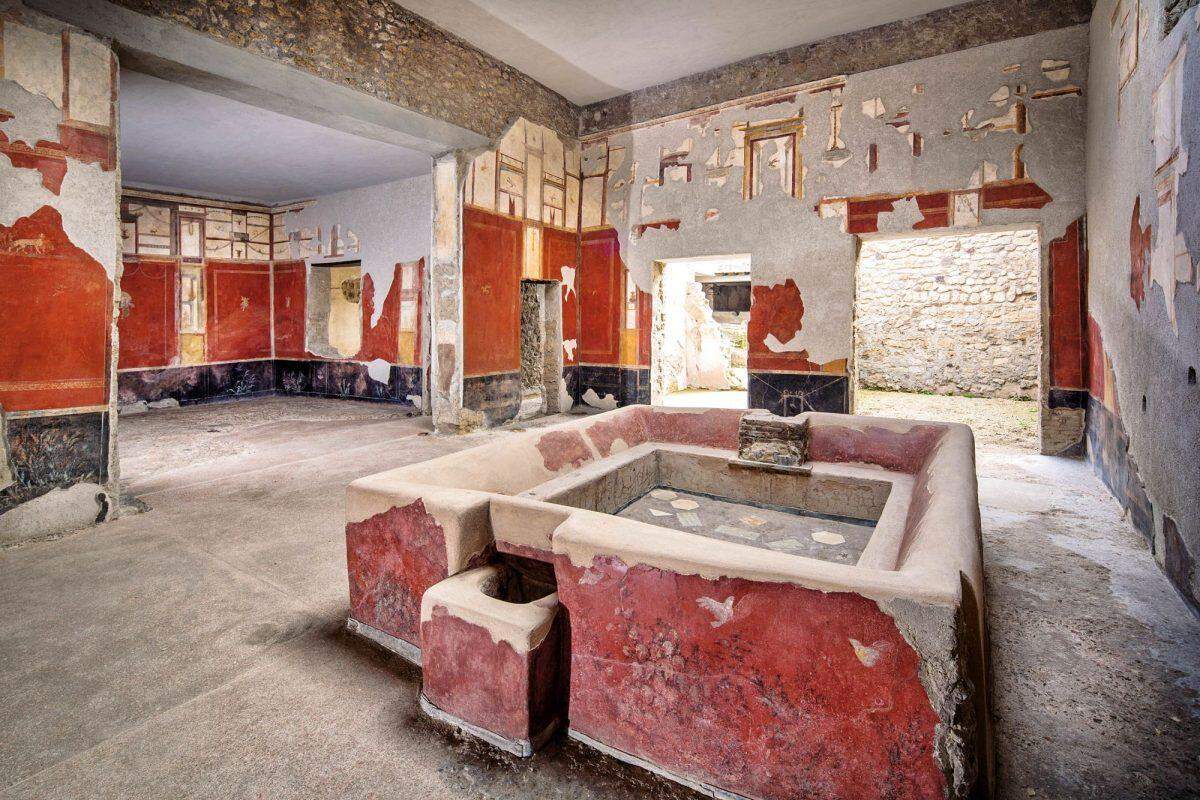
The 2,000-year-old ‘dry cleaners’ shop found in Insula 10 of Regio IX is not the first such shop found in Pompeii. Another shop, the Fullonica of Stephanus, was unearthed back in 1912, park officials said.
The Fullonica of Stephanus was originally a house later converted into the laundry facility, experts said. Photos show the large laundry vat, an almost bathtub-like structure, in one of the rooms.
Ten other fullonica shops have been found in Pompeii so far, according to the World History Encyclopedia.
In addition to the laundry shop, excavations in Insula 10 of Regio IX also unearthed a house with an oven and upper cell as well as a series of holes likely dug for volcanic rocky quarrying, the release said. Archaeological excavations are ongoing and hope to reveal more about life in the ancient city.
Pompeii is about 155 miles southeast of Rome.
Google Translate was used to translate the news release from and website of the Pompeii Archaeological Park.
This story was originally published February 28, 2023 at 4:12 PM with the headline "Roman ‘dry cleaners’ shop — almost 2,000 years old — uncovered along Pompeii street."