Can you find the horses in these 22,000-year-old carvings? French archaeologists did
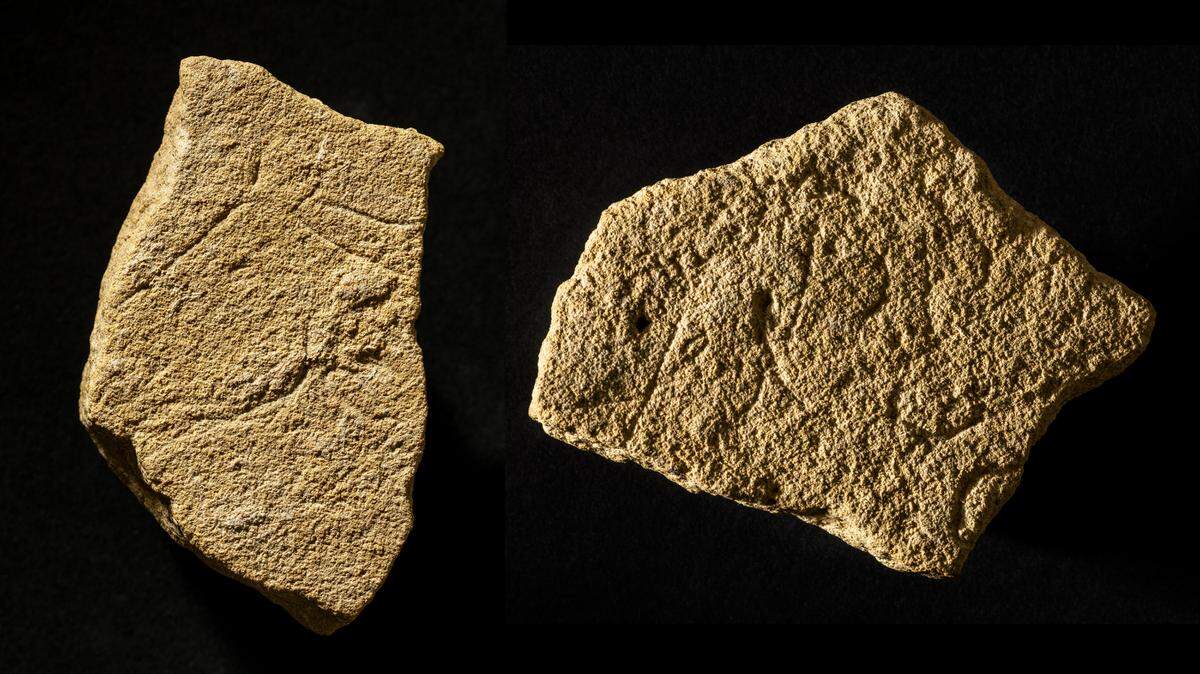
At first glance, these yellow-brown stones don’t look very exciting. They’re not made out of some hard-to-find material. They’re not decorated with faded but preserved pastel paints. They look like, well, rocks.
Yet French archaeologists are calling these rocks — and their engravings — “exceptional.” Why? You’ll see after a closer look.
Archaeologists were excavating a site near Bellegarde, France, and uncovered four pieces of art from the Paleolithic era, the French National Institute for Preventive Archaeological Research said in a March 31 news release also shared with McClatchy News in English. The engravings were left by the Magdalenians, an ancient culture that emerged about 20,000 B.C.
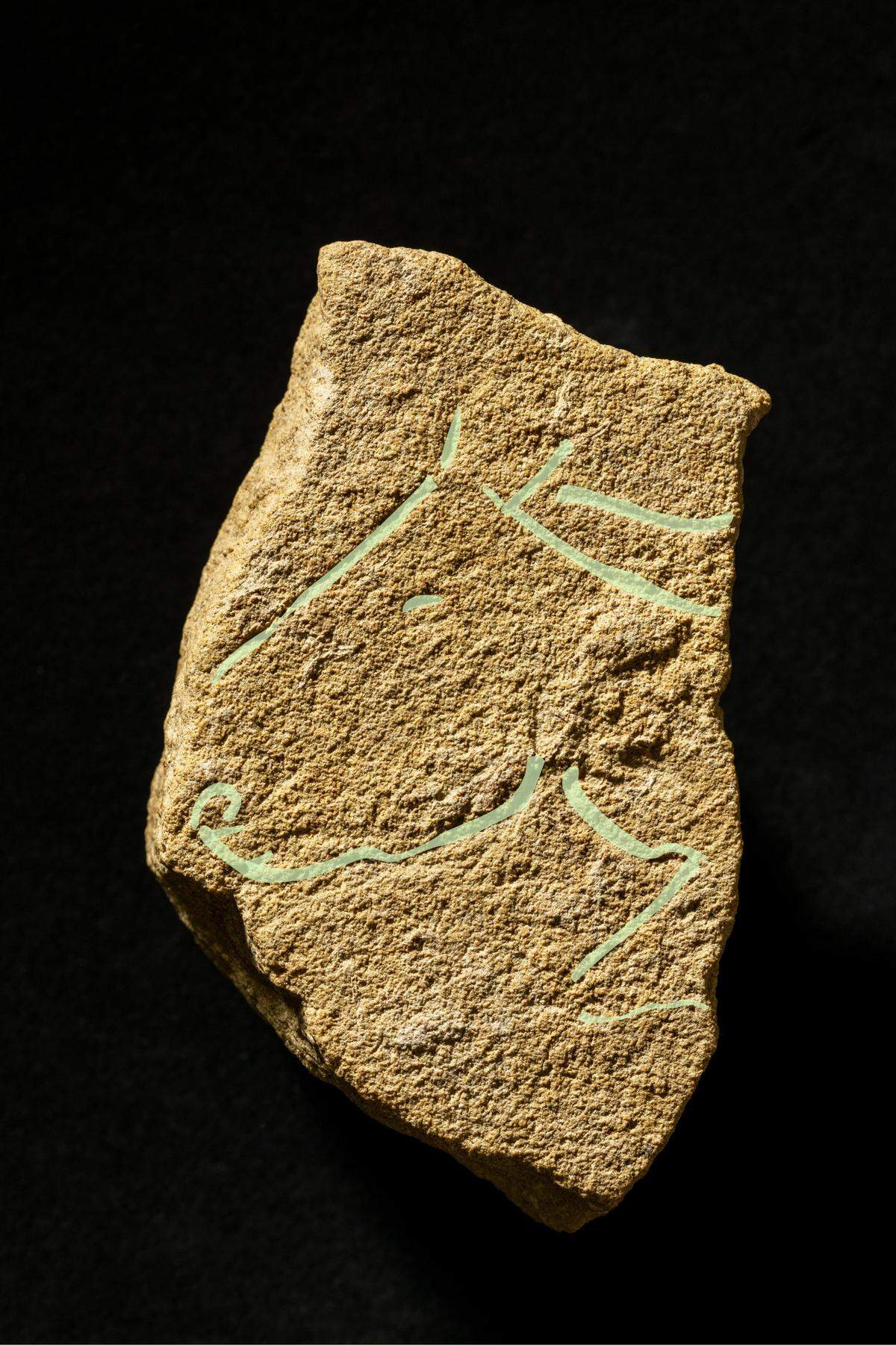
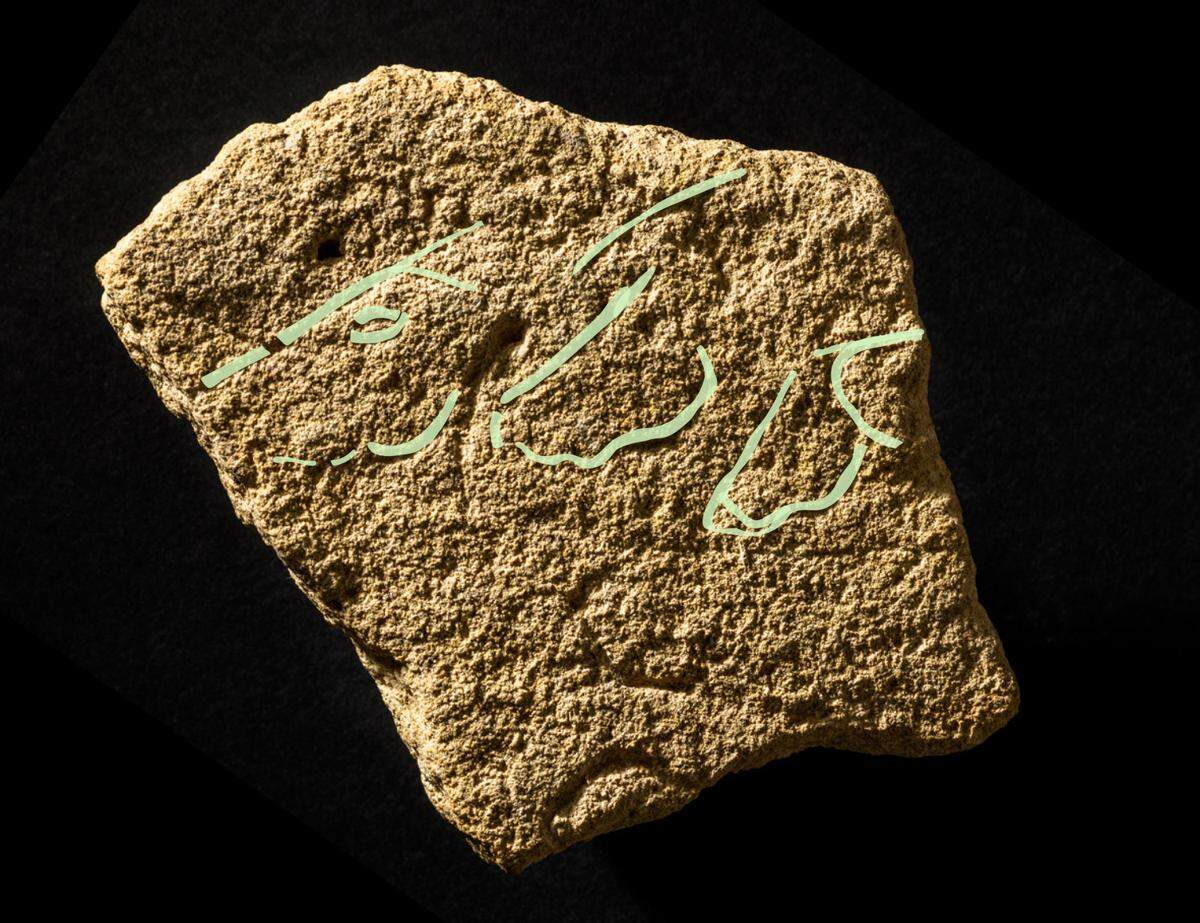
Two of these carvings were 22,000 years old and showed horse profiles with “many precise anatomical details,” archaeologists said.
One carving showed the left-hand side of a single horse’s head, photos show. The animal’s nose reaches the far left edge of the stone, its ears almost touch the top, and its neck — topped with a flowing mane — extends off the right-hand side.
A second carving showed a trio of horses, also facing the left side, photos show. The horses are grouped closely together, depicted by their disconnected, almost floating, heads. The animal on the farthest left has a distinctly carved eye. The center horse is defined by its jawbone. The right-hand horse appears to be looking partially downward, its neck extending off the rock.
Archaeologists uncovered another Magdalenian engraving from 18,000 years ago, the release said. This carving represents a female and shows an exaggerated vulva framed by legs. Photos show the design.
Experts emphasized the significance of this “exceptional” design, which has been found in “only one other specimen” of Magdalenian art, the release said.
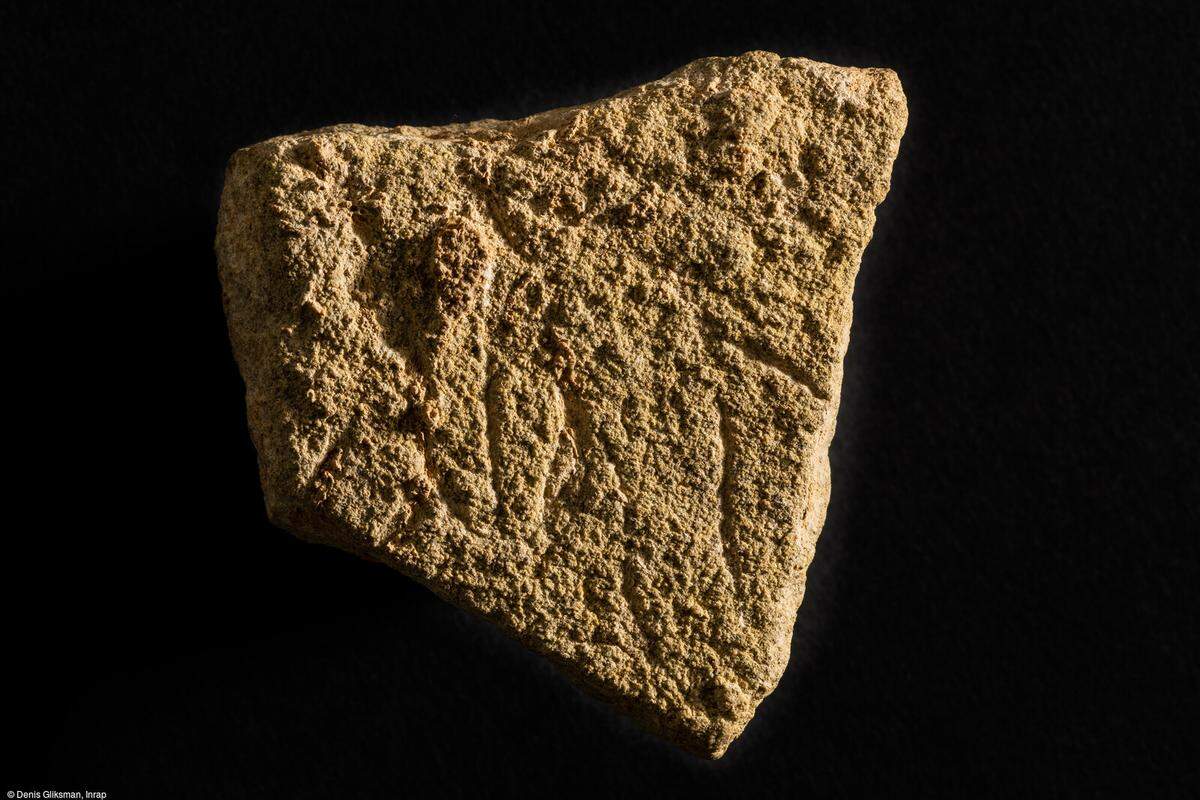
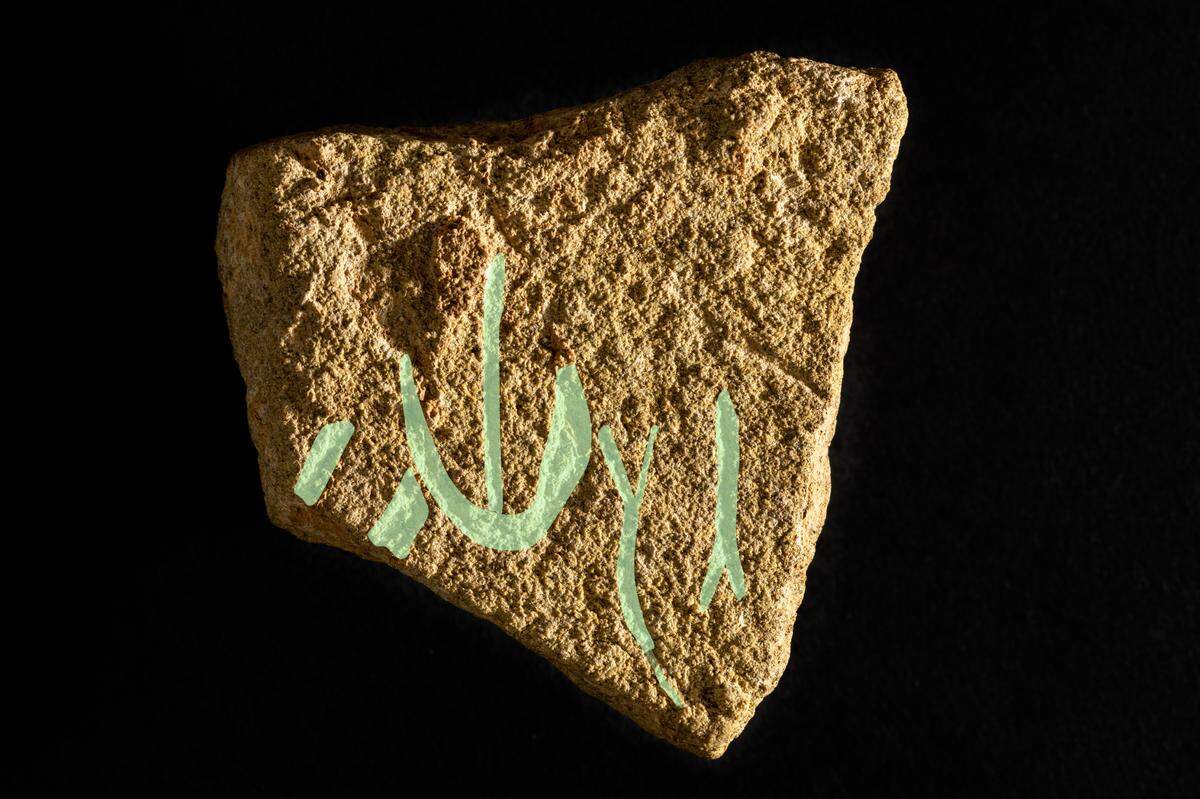
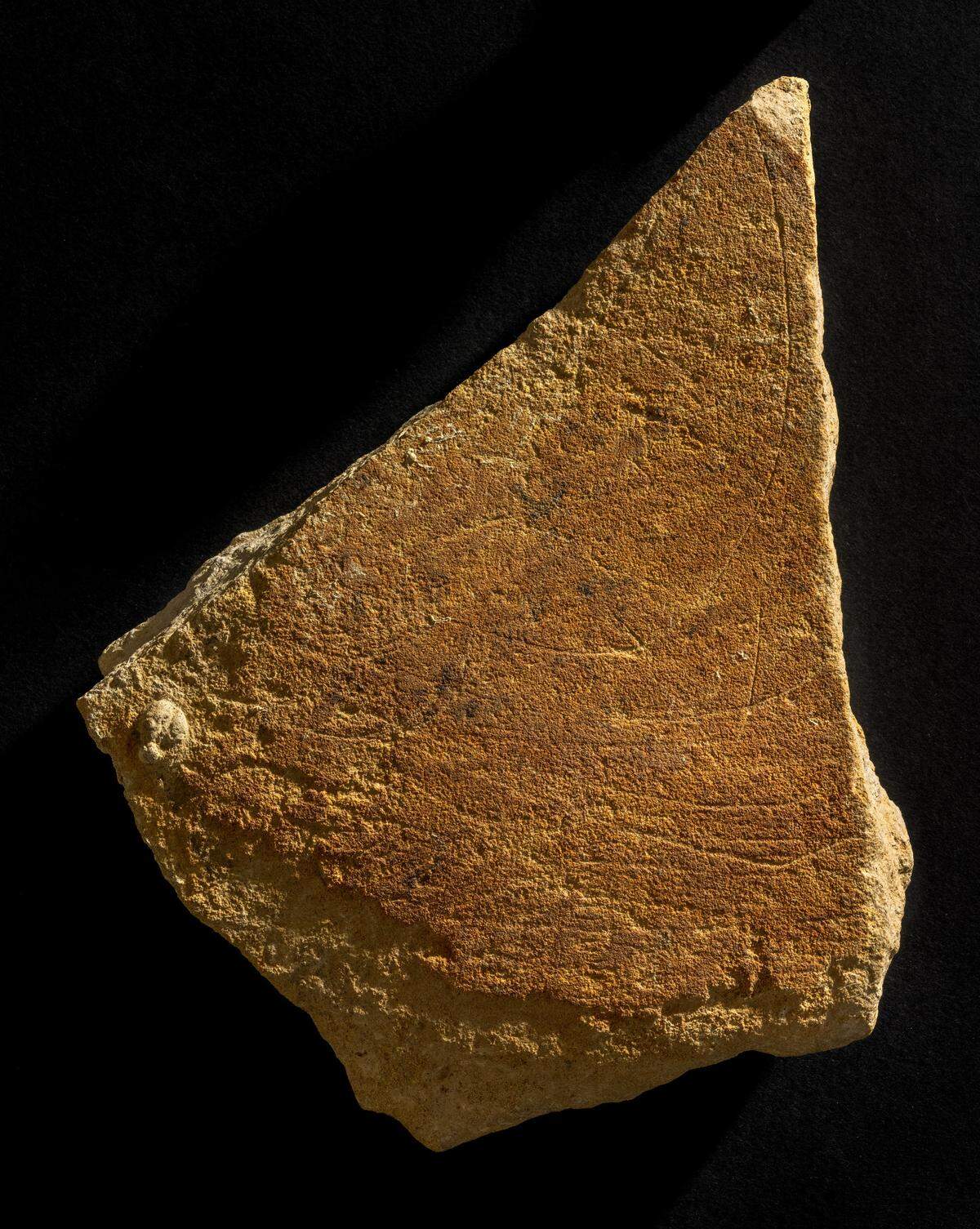
The fourth ancient artwork archaeologists unearthed was the most puzzling, the release said. This piece was a fragmented stone slab about 19 inches long. It probably sat upright but was found broken on the floor of a dwelling among pieces of knapped flint, researchers said.
The fractured slab has many small incisions on it, but archaeologists could not figure out what these carvings meant, the release said. Photos show the fractured piece and the thin carvings decorating it.

Ancient art thrived among the Magdelinians. They lived “semisettled” lives and had “abundant food” allowing them the “leisure time” for creative and decorative pursuits, according to Britannica.
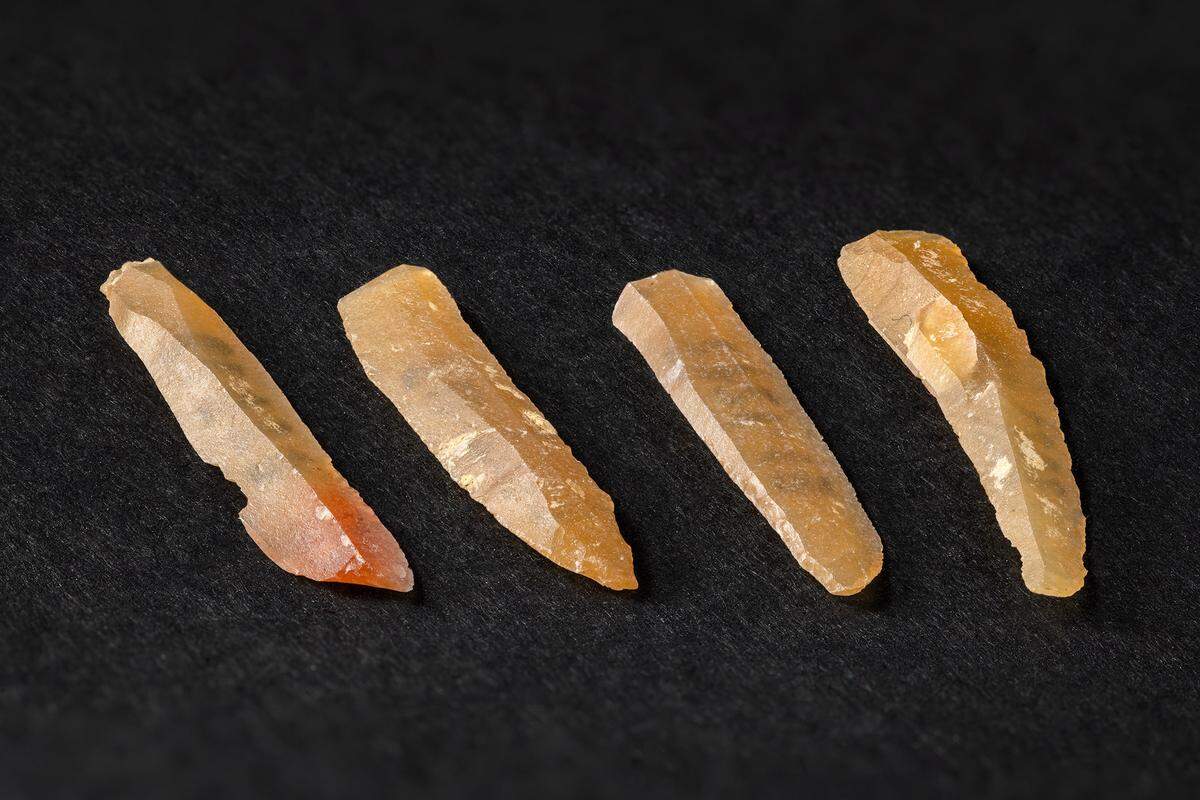
Other fragments of Magdelinian culture were also uncovered at the Bellegarde site, the release said. Archaeologists found many flint tools and weapons, reindeer bones and seashells that were used as beads, worn as adornments or attached to clothing. Photos show these ancient relics.
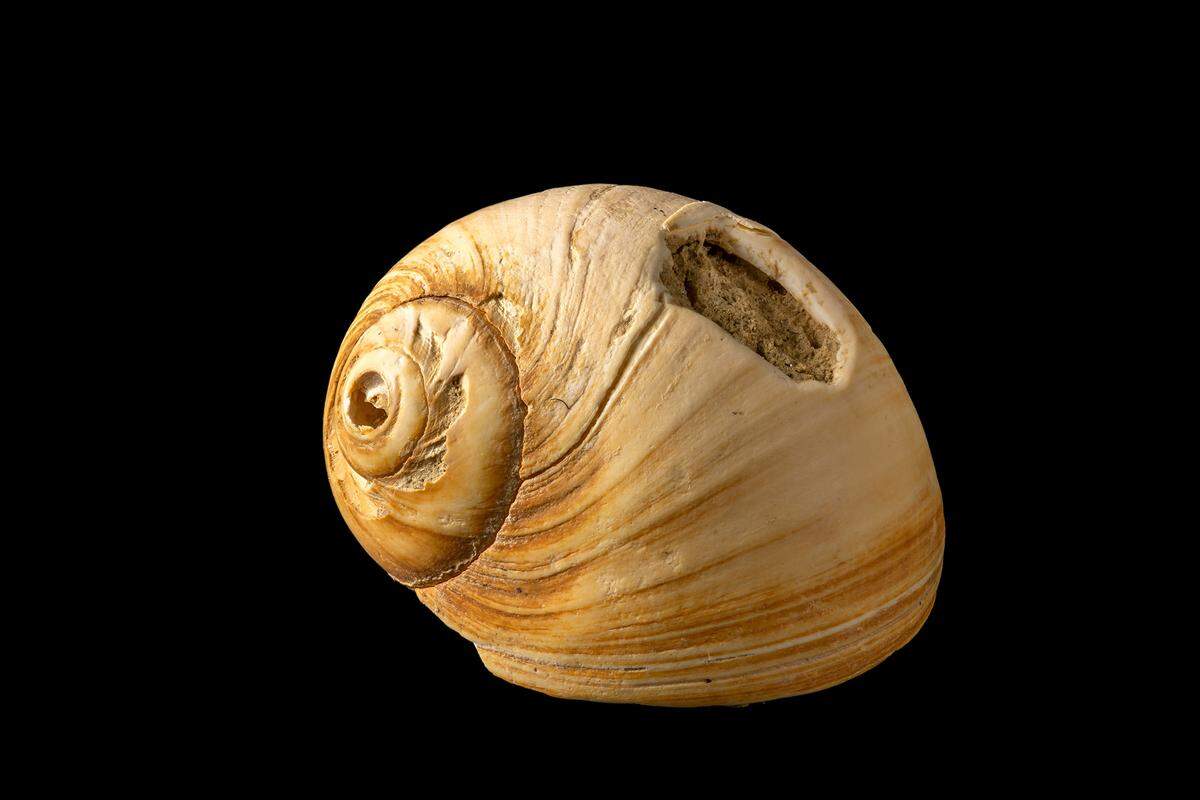
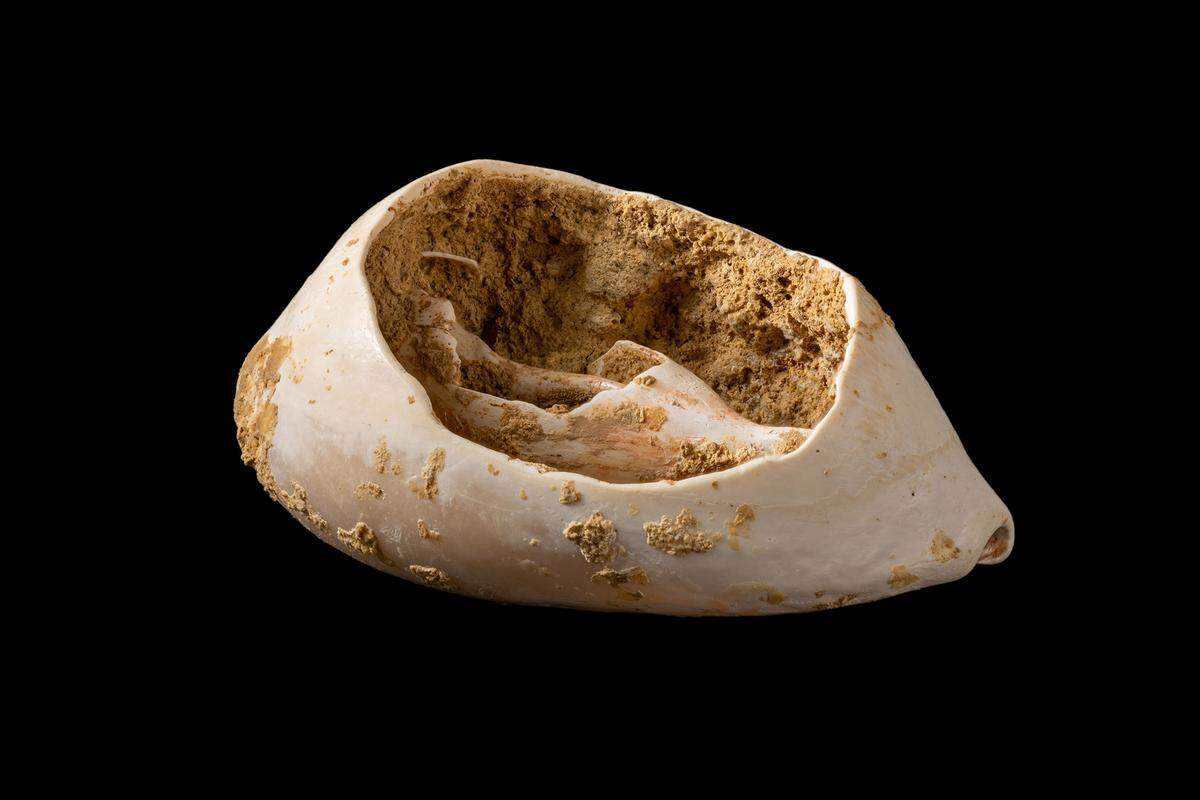
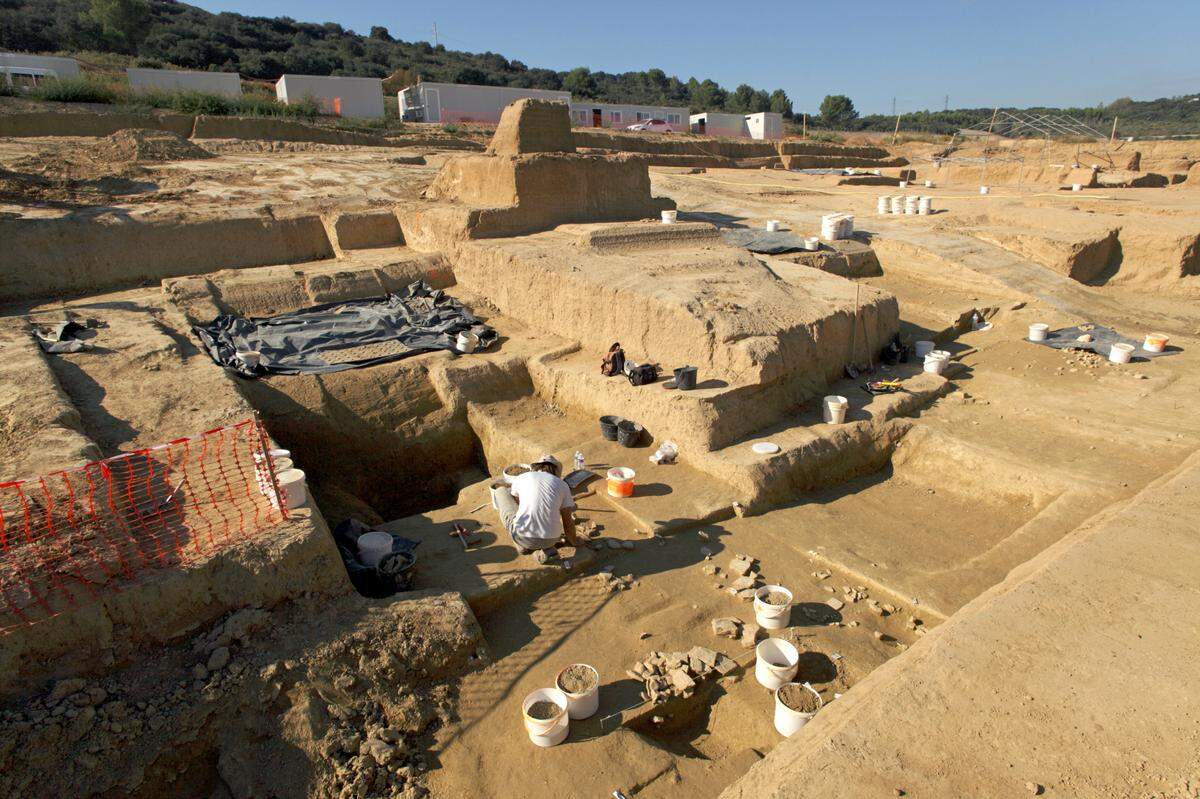
The archaeological site was found during the extension of a nearby landfill waste site, the release said. Subsequent excavations uncovered evidence that the site had been routinely, but not continuously, occupied since around 20,000 B.C., archaeologists said.
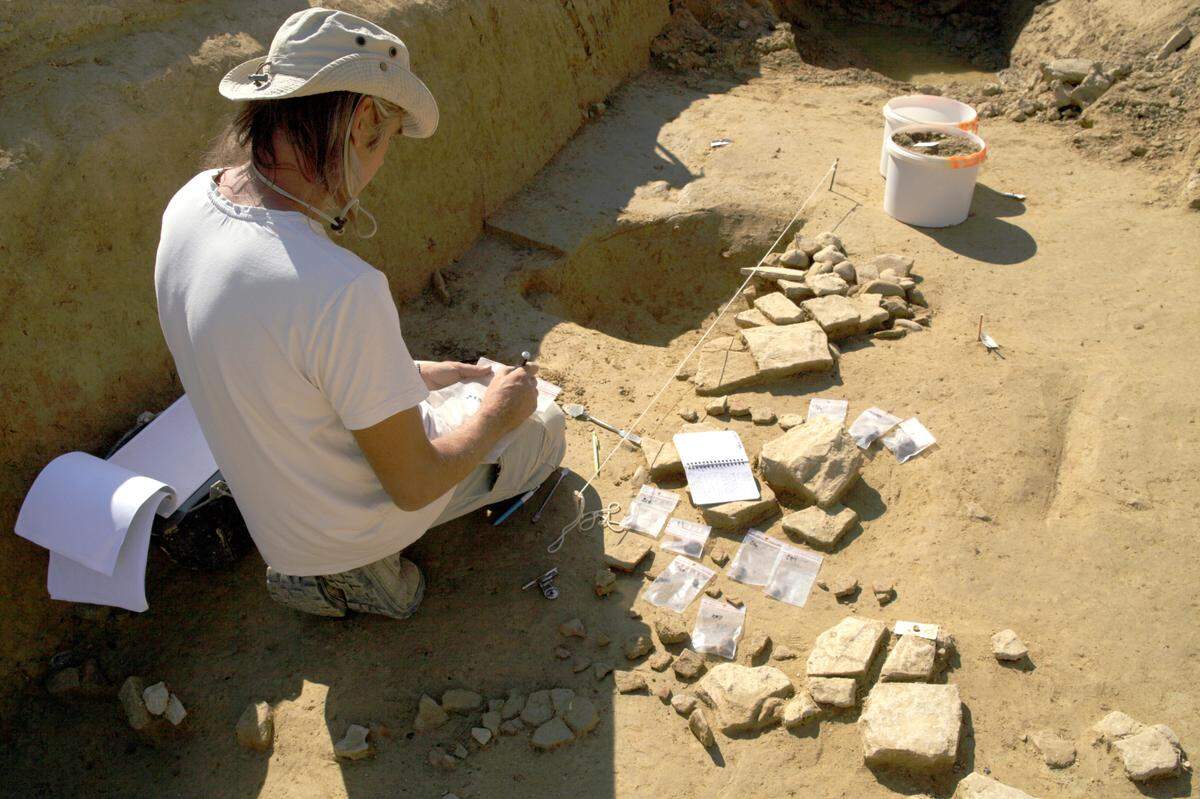
In total, archaeologists have found about 1,000 structures from a variety of periods and peoples. The structures included dwellings, storage spaces, craft workshops and agricultural buildings. Burials were also found at the site.
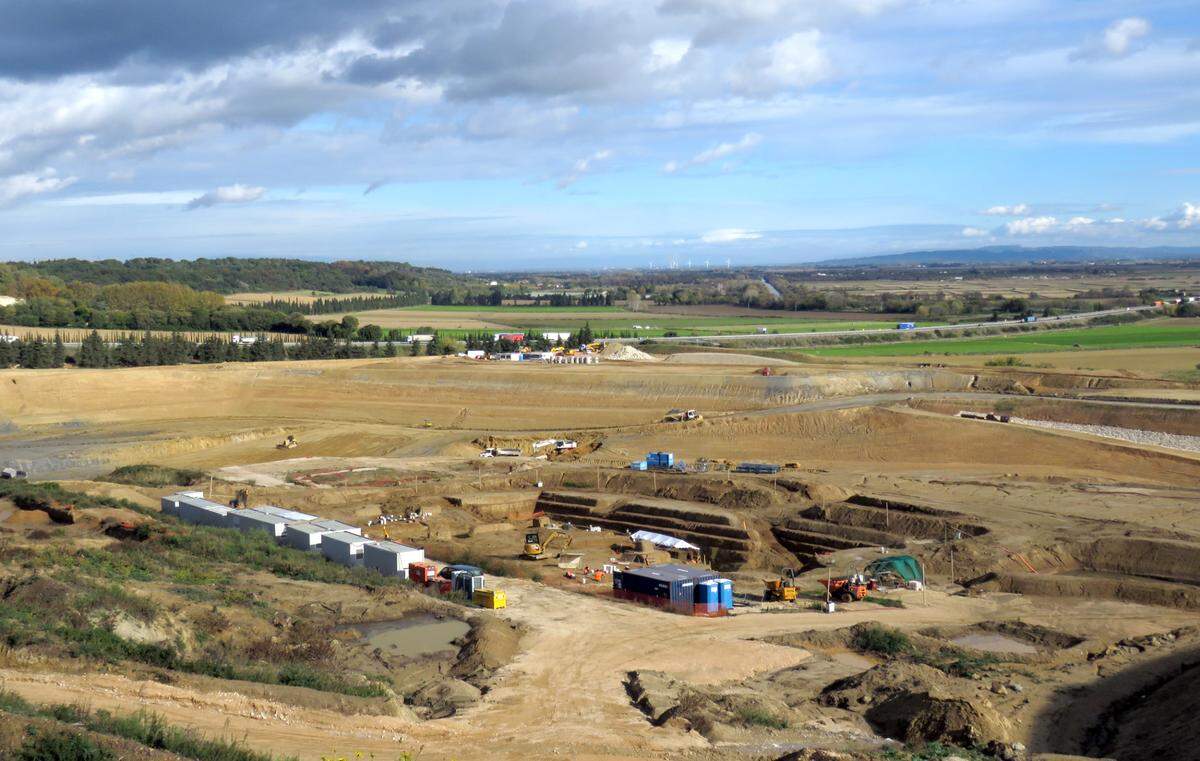
Bellegarde is near the coast of the Mediterranean Sea and about 415 miles southeast of Paris.
Google Translate was used to translate the release from the French National Institute for Preventive Archaeological Research (INRAP).
This story was originally published April 6, 2023 at 12:25 PM with the headline "Can you find the horses in these 22,000-year-old carvings? French archaeologists did."