Black-eyed creatures — with full stomachs — found as new species in depths of Pacific
In the depths of the north Pacific, long wriggling creatures were caught up in the trawl of a research vessel off the coast of Russia.
The animals were brought to the surface, their elongated bodies exposed to the light.
They belonged to two new species of eelpouts, a kind of fish that look generally like eels but have front fins and a slightly different tail shape.
“From my point of view, eelpouts are fascinating fishes,” researcher Ralf Thiel told McClatchy News in an email.
Eelpouts are primarily bottom-dwelling species, found in deep trenches or around hydrothermal vents in some of the planet’s most extreme environments, Thiel said.
The new species were both caught at depths around 11,400 feet, Thiel wrote in a study published Feb. 4 in the peer-reviewed journal Zootaxa.
The first species, Lycenchelys delanglei, is about 8 inches long with a black head fading to a gray body, according to the study.
The eelpout has pitch-black eyes at the front of its “relatively long” body and above a “steeply sloping snout tip,” researchers said.
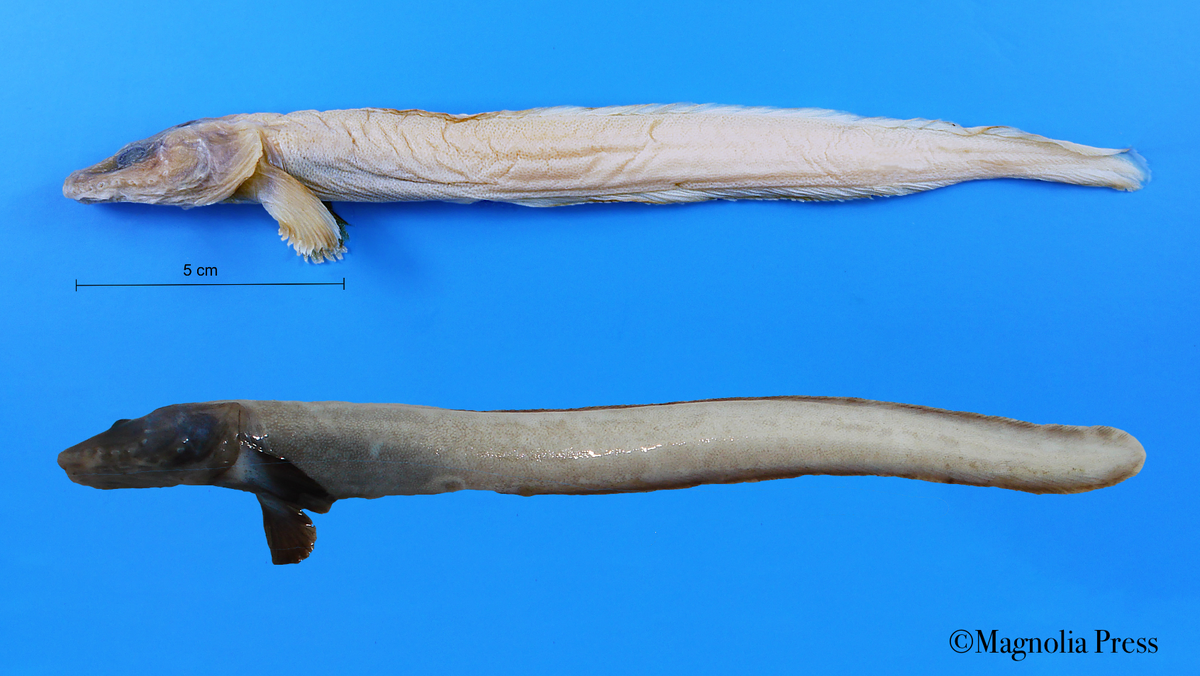
The species is named after Paul Antoine Fleuriot de Langle, a French naval commander and explorer in the mid-1700s, according to the study. He served as captain on expedition ships in the north Pacific.
“In the 1787 expedition ships navigated the waters of the Kuril-Kamchatka Trench, where the new species was discovered,” researchers said.
The environment at the bottom of the trench is primarily sand and clay, with an abundance of molluscs littering the seafloor, according to the study.
When researchers took X-rays of the new species, they found their last meals still in their stomachs. Researchers were able to identify the shelled species, suggesting they may be the “main food items” for the de Langle eelpout, according to the study.
The second new species, Lycenchelys renatae, was found in roughly the same place and is about the same size, but much lighter in color, researchers said.
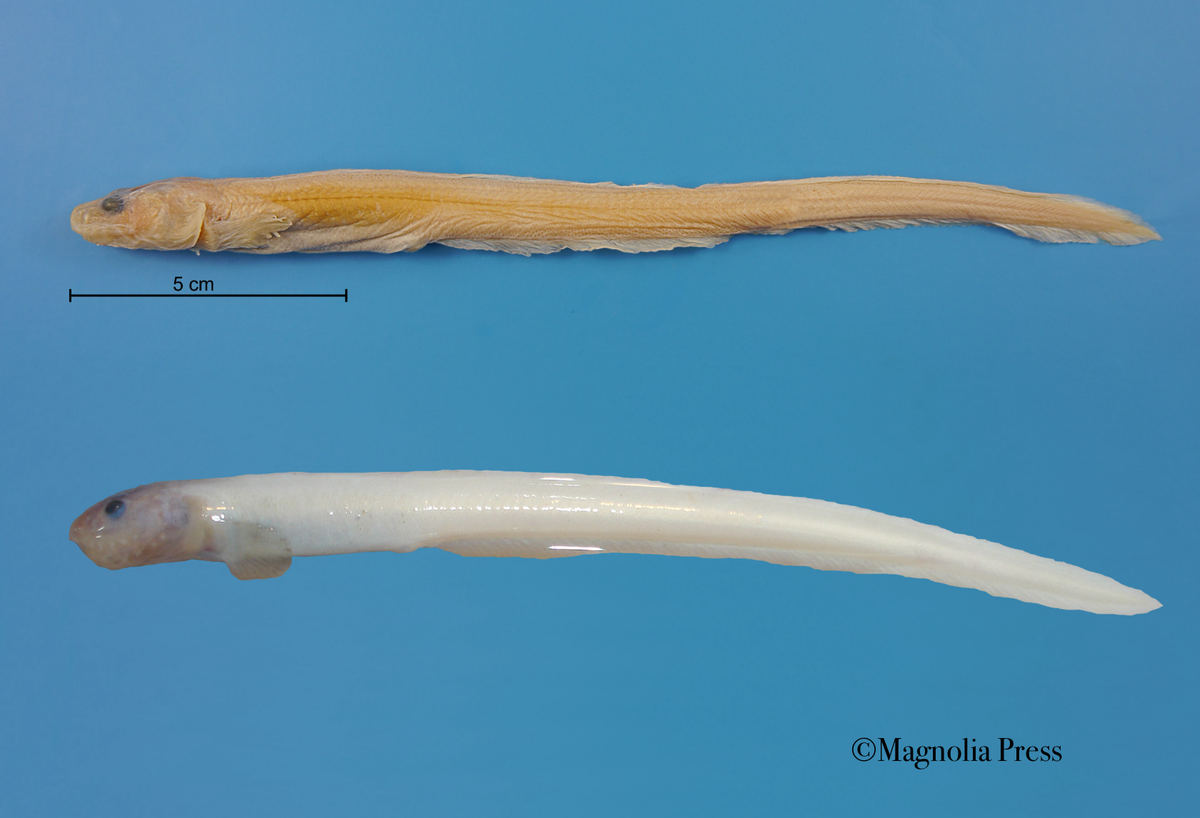
The fish has a scaleless head with small, cycloid scales on the body and belly, according to the study.
Its head is light brown, compared to the black of the de Langle eelpout, with a light beige body, researchers said. The species has black eyes.
The environment between the two species is the same, according to the study, and the second new species was found with mussels shells in its stomach.
“The new species is named after the first name of Renate Thiel, the wife of the first author, in recognition of her 23 years of outstanding data processing work in the context of ichthyology research projects,” the study authors wrote.
Eelpouts are a diverse group of fish, with more than 300 species, Thiel told McClatchy News. They can be found in oceans around the world.
An American eelpout species, for example, is known to have “antifreeze proteins in its blood, giving it the ability to survive in near-freezing waters,” Thiel said.
Another species, Zoarces viviparus, lives in the Atlantic and has live births, Thiel said.
“In this regard it is interesting that the name ‘eelpouts’ derives from the earlier belief that European eels were born from them,” Thiel said. “The background to this is that for a long time there was no explanation for the reproduction of eels in the Atlantic due to their migratory behavior.”
The two new species were found in the Kuril-Kamchatka Trench, near the Kuril Islands chain of eastern Russia.
The research team includes Thiel, Thomas Knebelsberger, Natalia Chernova and Irina Eidus.
This story was originally published February 12, 2025 at 1:32 PM with the headline "Black-eyed creatures — with full stomachs — found as new species in depths of Pacific."