‘Ghost’ creature — with visible organs — found under dying tree roots. See new species
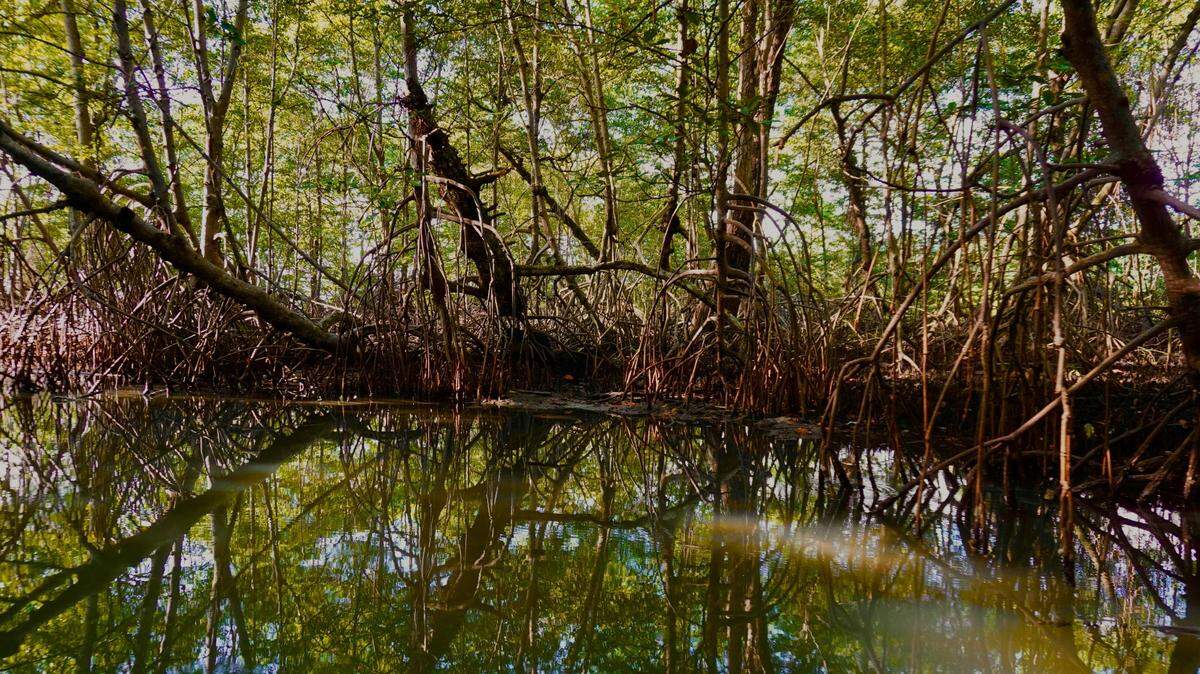
A researcher on Colón Island of Panama was searching for crustaceans among the coastal mangrove forests when he saw a section of mangroves in varying stages of decay.
The water was shallow and murky, but as he approached the dying trees he noticed something small below the surface — a “ghost.”
The researcher pulled out a metallic suction pump and sucked the creature up, allowing him to take a closer look.
The animal was a type of shrimp and a species new to science.
Arthur Anker, a researcher at King Abdullah University of Science and Technology in Saudi Arabia, announced his discovery in a study published Feb. 10 in the peer-reviewed journal Papéis Avulsos de Zoologia.
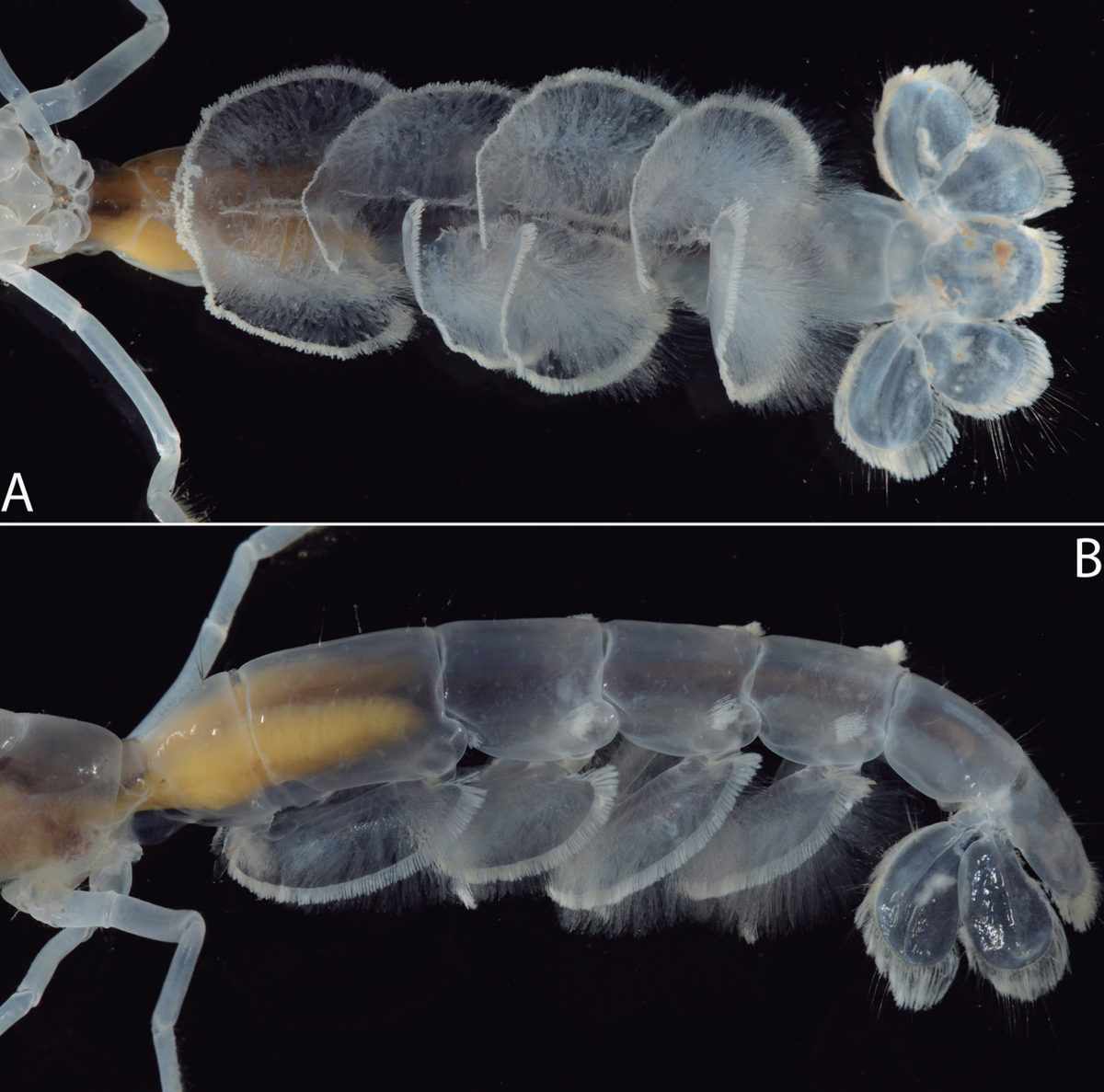
Trichocallia delicatula, or the beautiful hairy ghost shrimp, has “tubular, hair-like” growths on the pleopods, or fan-like structures on the tail of the shrimp, making it appear fluffy, according to the study.
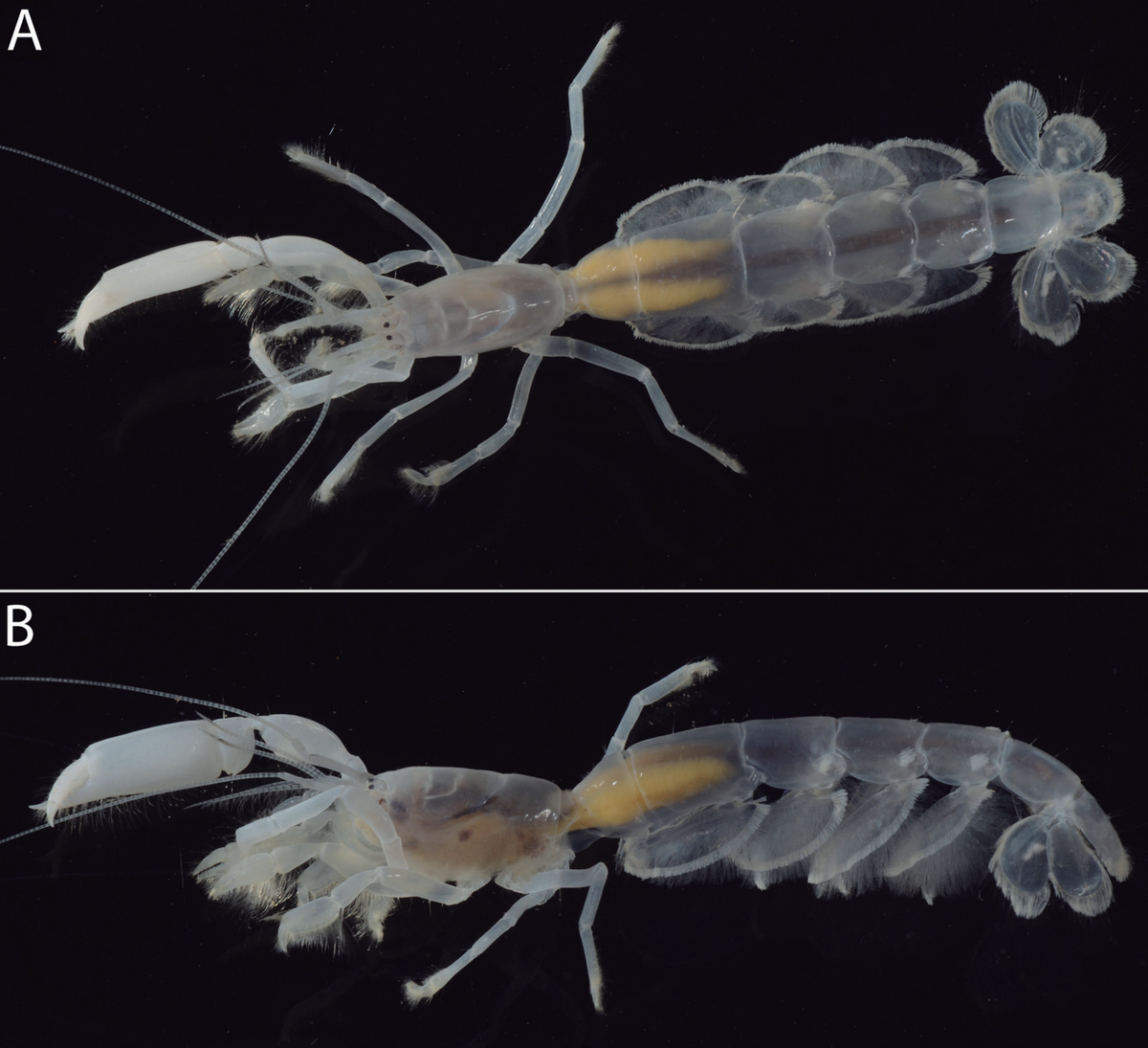
The feature earns the new species its name, stemming from the Greek word “trichos,” meaning hair, and “callia” from the family name Callianideidae, which means beautiful. The species name, delicatula, comes from the “fragile and rather delicate appearance” of the species compared to other, more robust, related species, Anker wrote.
The shrimp’s body is “translucent whitish, with slight pinkish tinge on (the) carapace and pale-yellow inner organs visible by translucence,” according to the study. “Most appendages are also translucent whitish, except for opaque, ivory-white chelipeds (the legs holding their pincers).”
The shrimp was found in water less than three feet deep, according to the study, and hidden along a “silty-muddy bottom covered with a matrix of decomposing and partly overgrown mangrove roots, however, at some distance from living mangrove trees.”
So far, the shrimp has only been found along the Caribbean coast of Panama, and the new species marks the fourth member of the Callianideidae shrimp family found in the western Atlantic.
The new species was found on Colón Island, on northwestern Panama’s Carribean coast.
This story was originally published February 13, 2025 at 1:57 PM with the headline "‘Ghost’ creature — with visible organs — found under dying tree roots. See new species."