Mystery ruins turn out to be ‘once-in-a-lifetime’ ancient find in North Macedonia
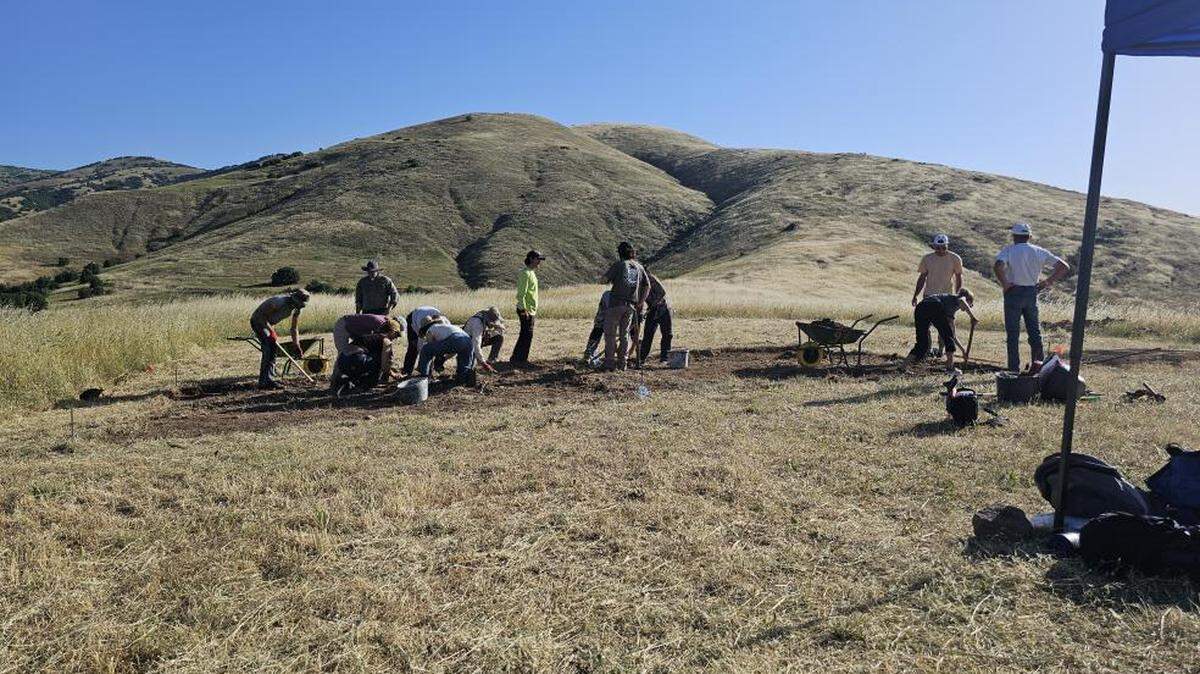
Under a grassy field in southeastern Europe sat some mysterious ancient ruins. Archaeologists had known about the site for decades but didn’t know much about its age or purpose — until now.
Recent excavations and radar scans showed the site to be a “once-in-a-lifetime discovery.”
A joint team of American and Macedonian archaeologists decided to revisit the archaeological site of Gradishte near Crnobuki, North Macedonia, in 2023 and 2024. Known since the 1960s, past archaeologists had excavated Gradishte and suspected it was “a military outpost built to defend against Roman attacks,” California State Polytechnic University, Humboldt, said in an April 4 news release.
In hopes of solving the mystery, the team used “ground penetrating radar and cutting-edge drone-deployed LIDAR” scans to survey Gradishte. To their surprise, the scans revealed the ruins actually spanned over 7 acres.
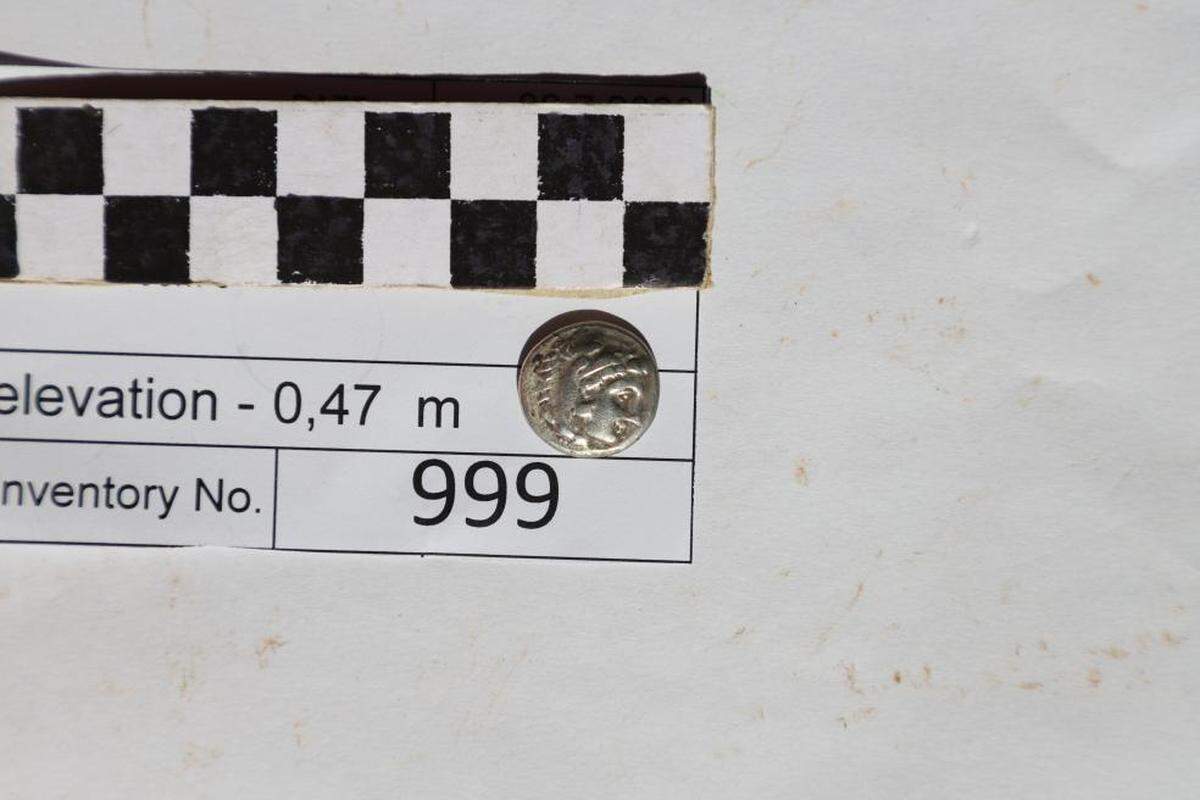
When the team began digging, they encountered another surprise: a small silver coin made during the reign of Alexander the Great, about 2,300 years ago, the university said. They also found game pieces, tools, pottery and even a theater ticket.
Based on their finds, archaeologists identified Gradishte as a forgotten city established by ancient Macedonians before the rise of the Roman Empire.
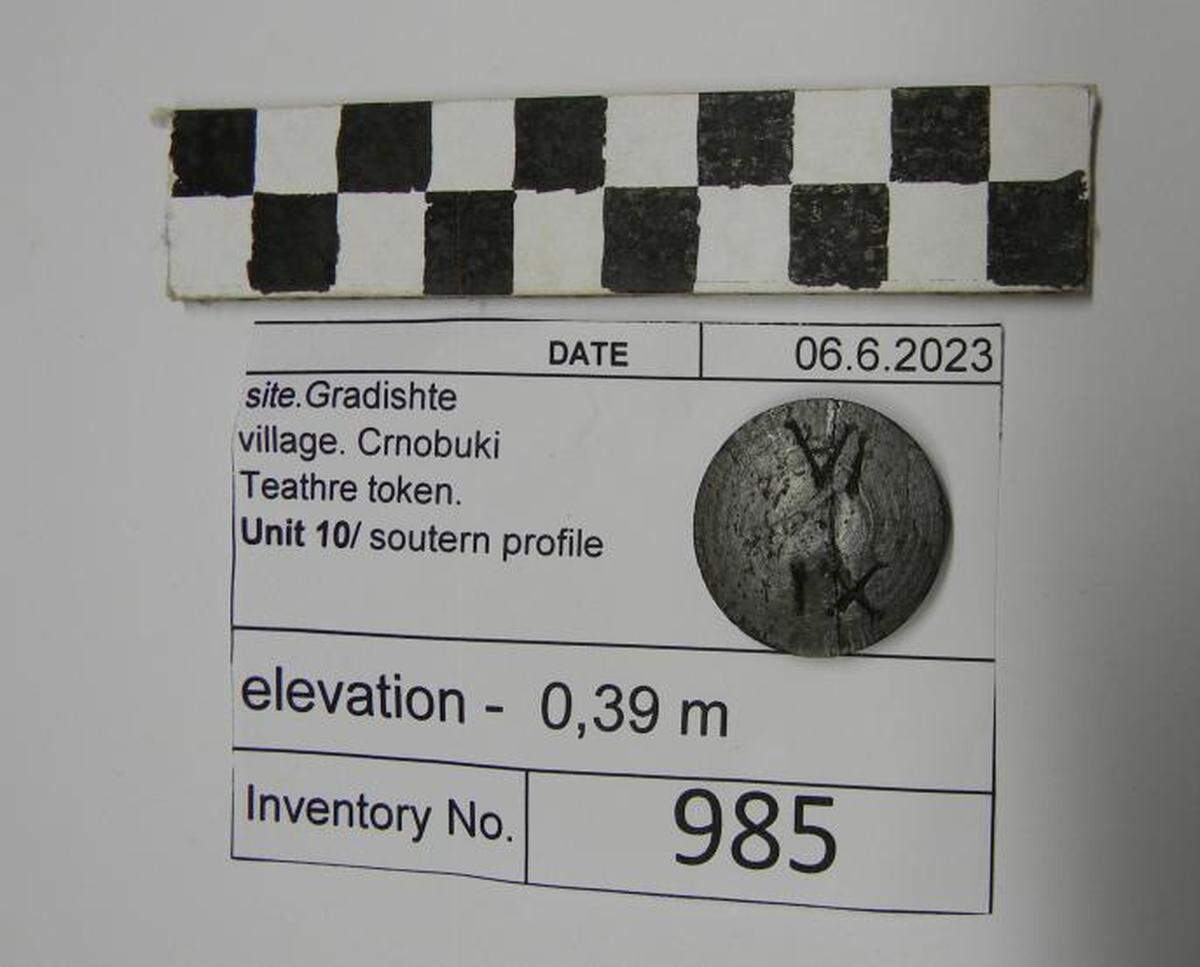
Archaeologists described it as “a once-in-a-lifetime discovery,” the university said.
“This discovery is significant,” Nick Angeloff, a university professor and archaeologist, said in the release. “It highlights the complex networks and power structures of ancient Macedonia, especially given the city’s location along trade routes to Constantinople (modern-day Istanbul, Turkey).”
Much about the ancient city remains a mystery. Archaeologists suspect the city ruins may have a “Macedonian-style theater” yet to be discovered.
Angeloff theorized that Gradishte could be “the lost capital city of the Kingdom of Lyncestis” or the birthplace of “the grandmother of Alexander the Great,” but neither possibility has been confirmed.
“All these studies are just a small part of the research of early European civilizations,” Engin Nasuh, an archaeologist with North Macedonia’s National Institute and Museum Bitola, said in the release. “We’re only beginning to scratch the surface of what we can learn about this period.”
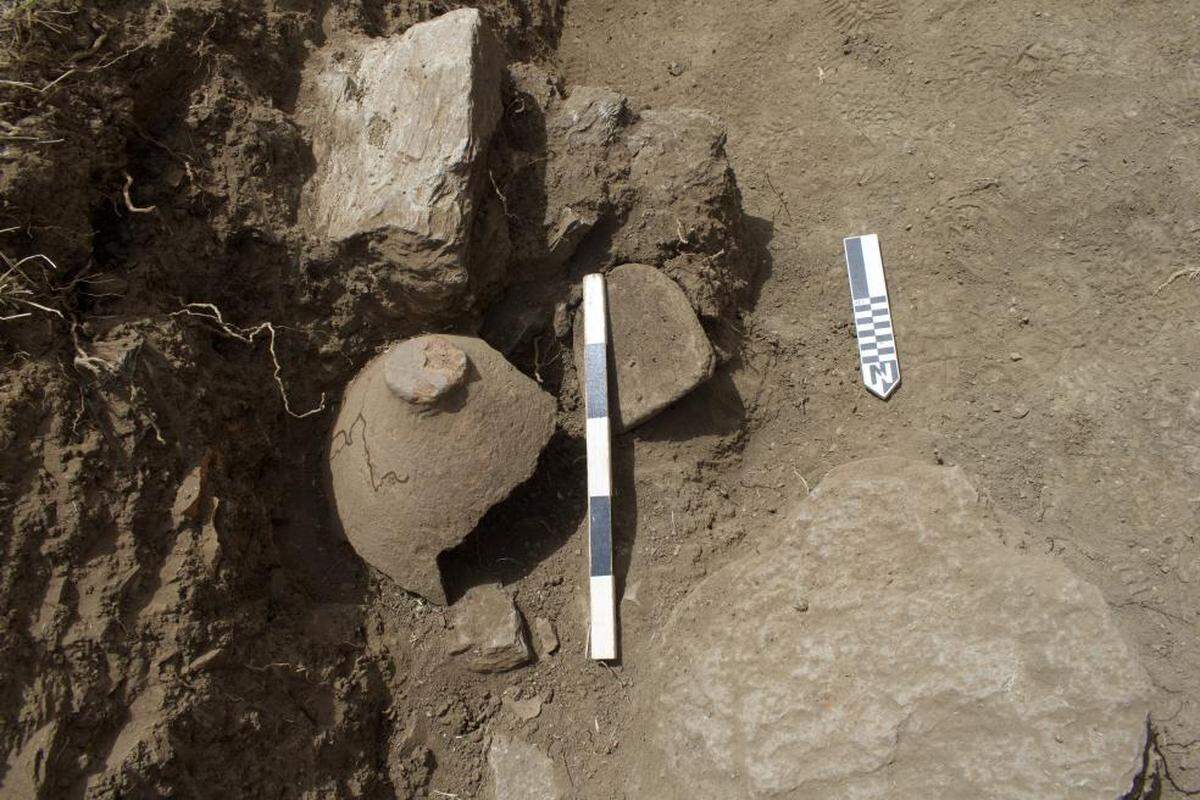
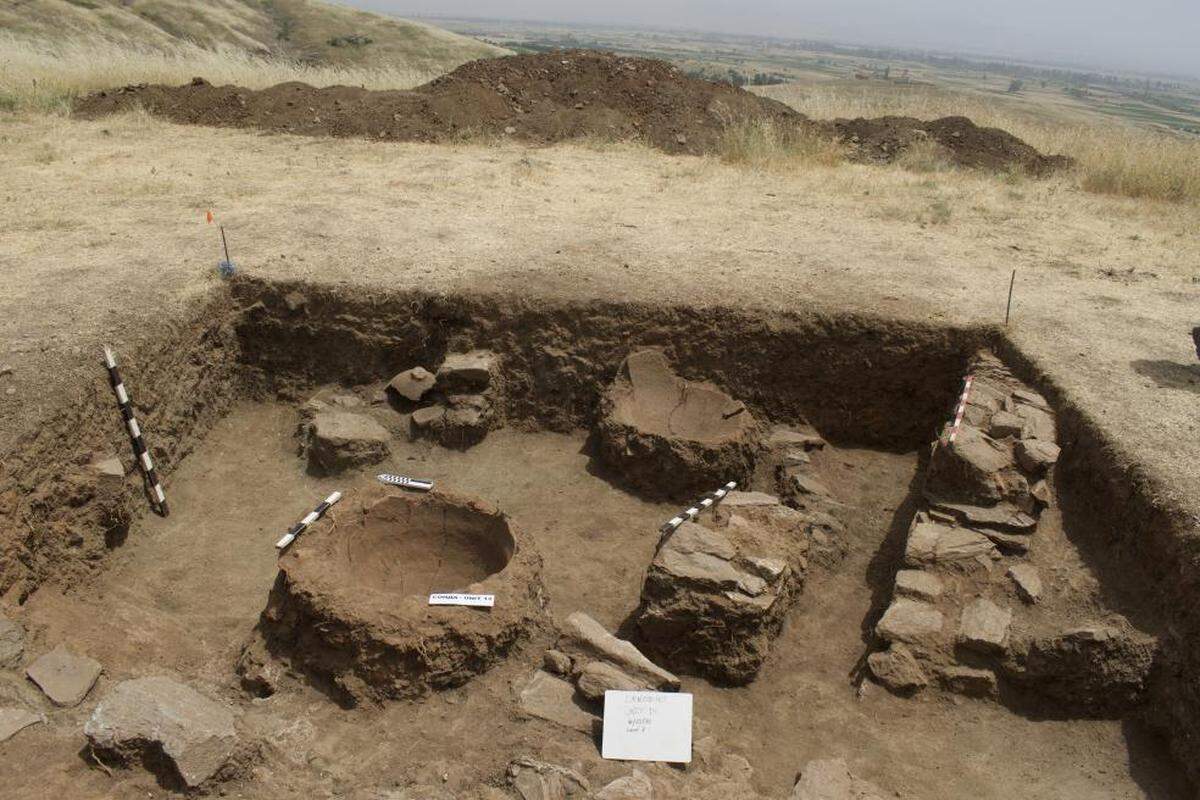
Excavations at Gradishte also unearthed a roughly 4,000-year-old workshop used for “seed processing” and “milling,” suggesting “humans began occupying (the area) as far back as the Bronze Age.”
Archaeologists plan to continue work at the Gradishte site. North Macedonia is a landlocked country in southeastern Europe, bordering Albania, Bulgaria, Greece, Kosovo and Serbia.
This story was originally published April 10, 2025 at 3:17 PM with the headline "Mystery ruins turn out to be ‘once-in-a-lifetime’ ancient find in North Macedonia."