
Dolphin was stranded on Irish beach — then locals, tourists stepped in, photos show
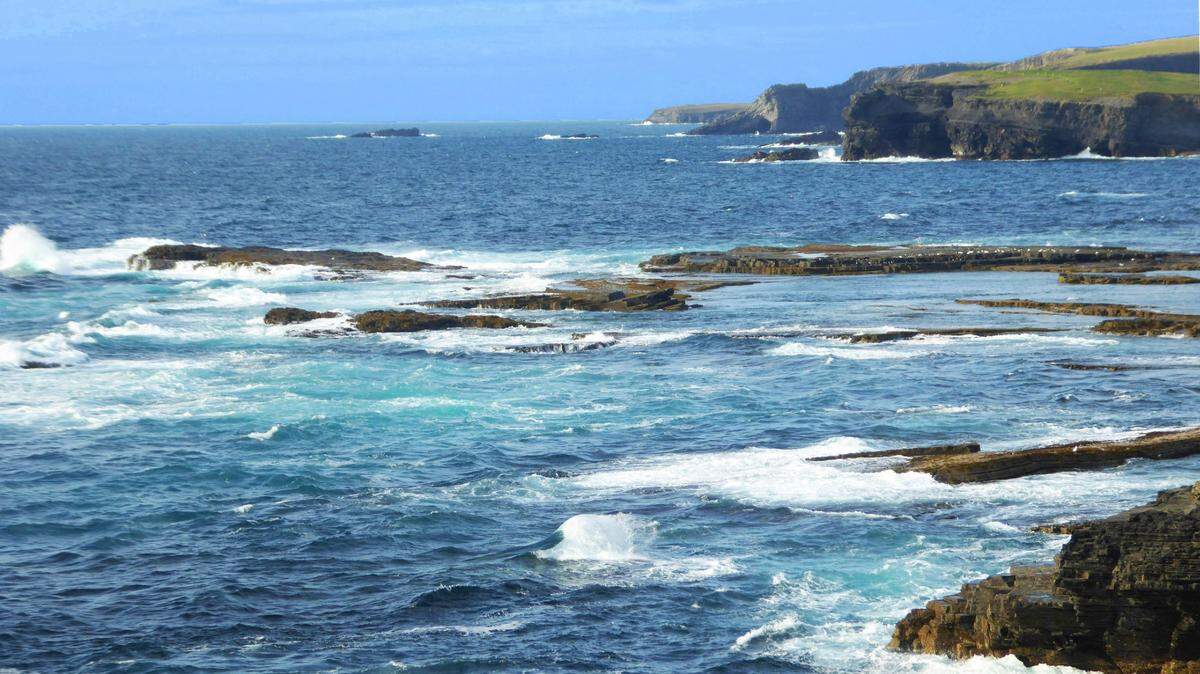
A dolphin stranded on the coast of Ireland was saved from death thanks to a quick-acting group of people — including experts, locals and even visiting tourists — who rushed in to help.
The incident took place in Tarmon, a village on the tip of the Mullet Peninsula, located on Ireland’s west coast.
On April 25, three common dolphins were seen swimming in the shallow waters off Tarmon, a hot spot for strandings.
“With the tides not yet at the peak of the spring cycle, there was every chance the pod would be okay, despite the shallow conditions,” the Irish Whale and Dolphin Group (IWDG), a conservation non-profit, said in a news release.
Aerial footage by the organization shared on Facebook shows the marine mammals calmly moving through the shallow water in unison.
IWDG monitored the animals as the tide receded — at which point they were still swimming.
But, the next morning, it was reported that two dolphins had been stranded on the sandy shores of Tarmon — one alive and one dead. It’s not clear what happened to the third dolphin.
This is when people sprang into action.
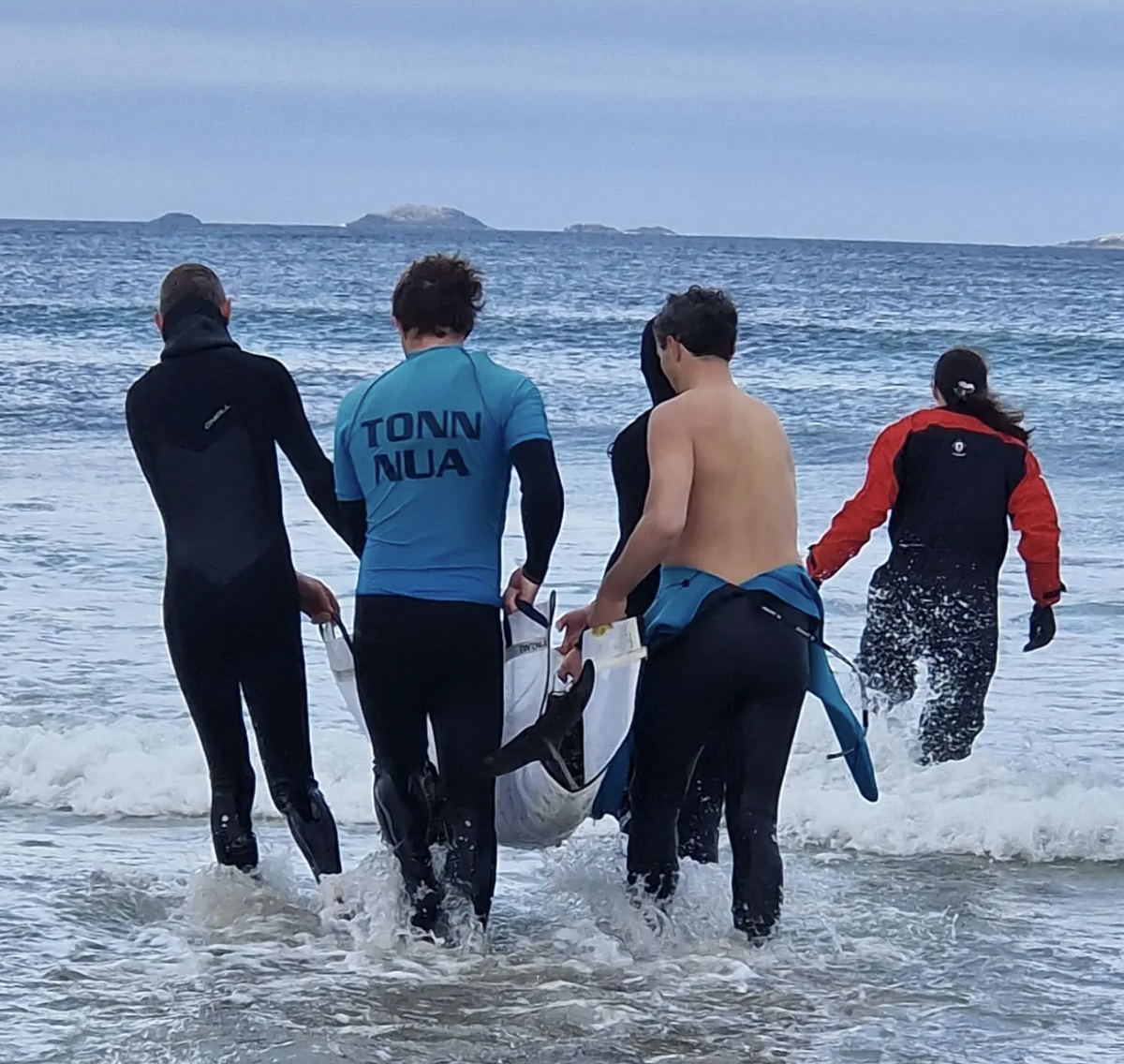
“What began as a quiet, lonely 20 minutes on the beach for those first on scene soon turned into an incredible community response,” IWDG said. “Local people and visiting tourists soon pitched in to help, without hesitation, bringing energy, care, and vital support to the situation.”
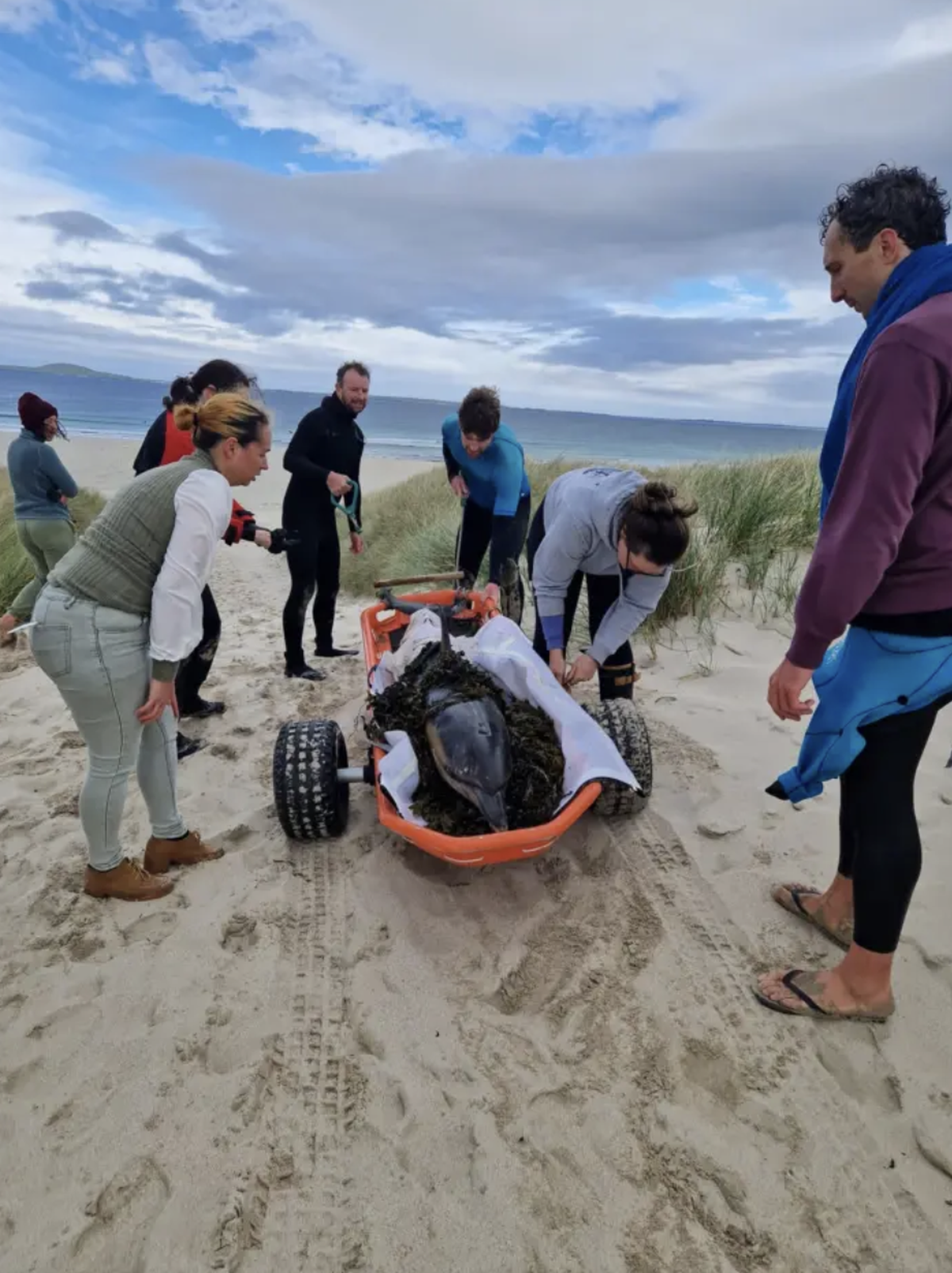
In photos, responders can be seen carrying the dolphin in a net and using a wheeled transport device.
The surviving dolphin was then relocated to deeper waters on the other side of the peninsula in order to keep it from stranding again in the same spot.
After being acclimated to the new terrain, the dolphin was released and ushered past the surf line by local surfers.
“Once she was out back, she had calm surroundings and deep water to recuperate after the traumatic experience of live stranding,” IWDG said. “She did not make any attempt to swim back to shore and was soon lost from sight.”
The beach has been checked multiple times since the rescue, and there have been no signs of the dolphin.
The area has long proved troublesome for dolphins. In fact, just one week before, another dolphin was found washed ashore on the beach.
There are a number of factors that make the underwater terrain difficult for marine mammals to navigate. For one, it is surrounded on three sides by land— like Cape Cod — forming “a geographic trap” in which dolphins enter the shallows and get stuck when the tide goes out.
The area is also distinguished by “gently sloping beaches” and “shifting sandbars,” which could also play a role in strandings.
This story was originally published April 25, 2025 at 4:53 PM with the headline "Dolphin was stranded on Irish beach — then locals, tourists stepped in, photos show."