Ancient Romans threw treasures into huge crater left by flood. See what remains
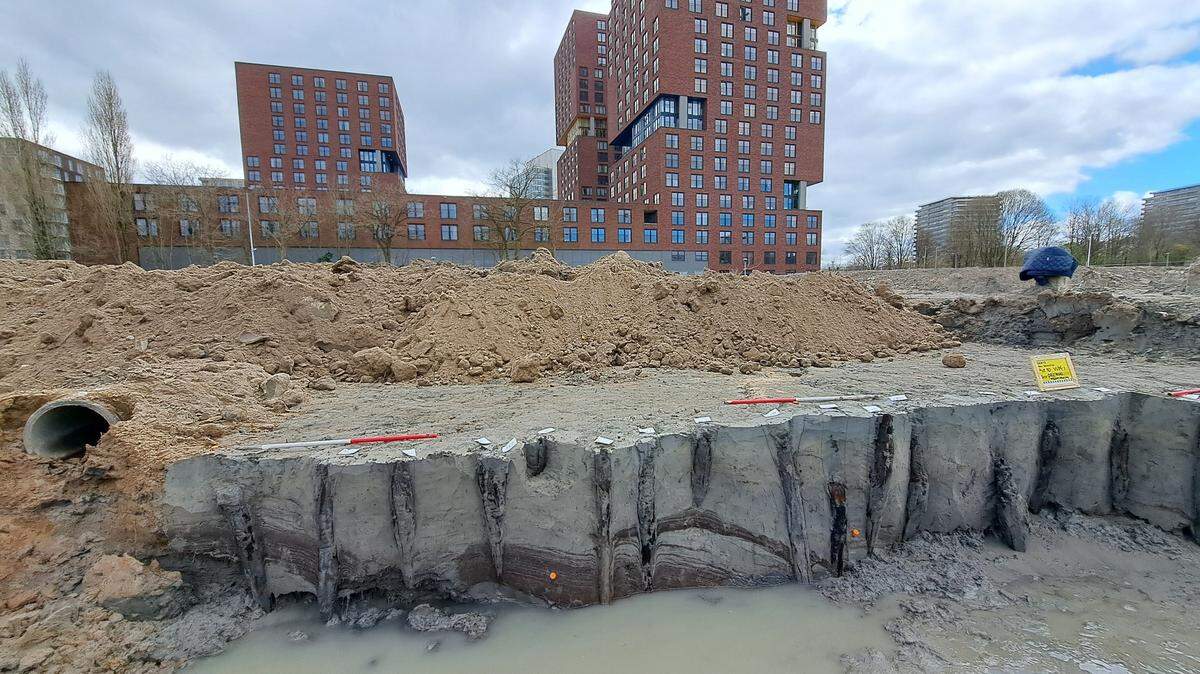
Digging into the squishy mud of a canal in the Netherlands, archaeologists uncovered dozens and dozens of wooden posts. The mundane-looking objects revealed the story of when disaster struck an ancient Roman city, the reconstruction efforts and its lingering consequences.
Archaeologists began excavating a canal in downtown Utrecht as part of a large-scale redevelopment project, the Municipality of Utrecht said in a May 7 news release. The dig had already uncovered a key ancient Roman road in December, so the team hoped to find even more ruins.
As they worked, archaeologists found hundreds of well-preserved wooden posts from 1,900 years ago, officials said. Individually, the posts didn’t look like much, but together they revealed the location of ancient Roman bridges, piers, culverts and roads.
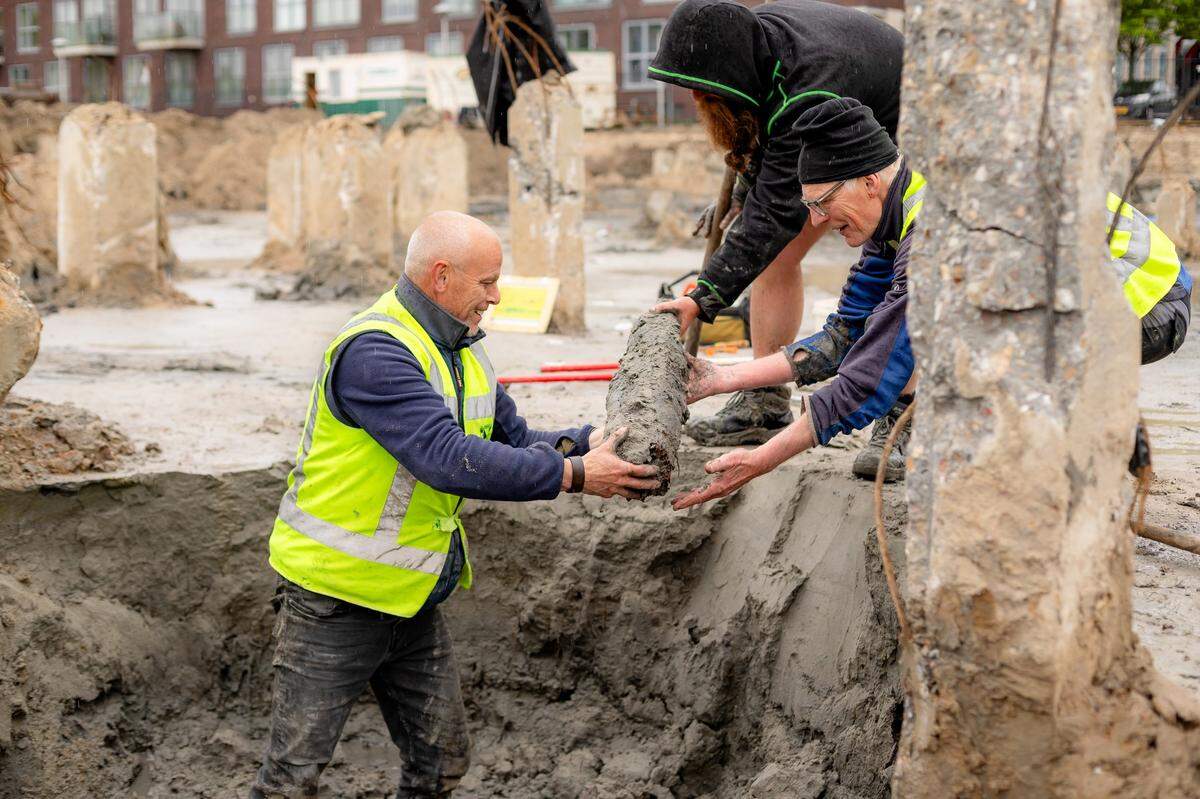
In ancient Roman times, the modern-day city of Utrecht was known as Trajectum ad Rhenum and functioned as a border fort built around a branch of the Rhine River. Based on their recent finds, archaeologists concluded that a huge flood struck the city around 100, causing serious damage to its infrastructure and washing away a bridge, officials said.
The collapsed bridge left a massive crater, roughly 32 feet deep and 150 feet across, that filled with water, archaeologists said. The hole took centuries to naturally fill back up with mud and sediment, and the ground remained weak and prone to sinking until the 1900s.
In response to the natural disaster, the ancient city began rebuilding itself around 125 at the direction of the Roman Emperor Hadrian, archaeologists said. One of the structures built during this time was a roughly 450-foot-long road that ran around the massive crater.
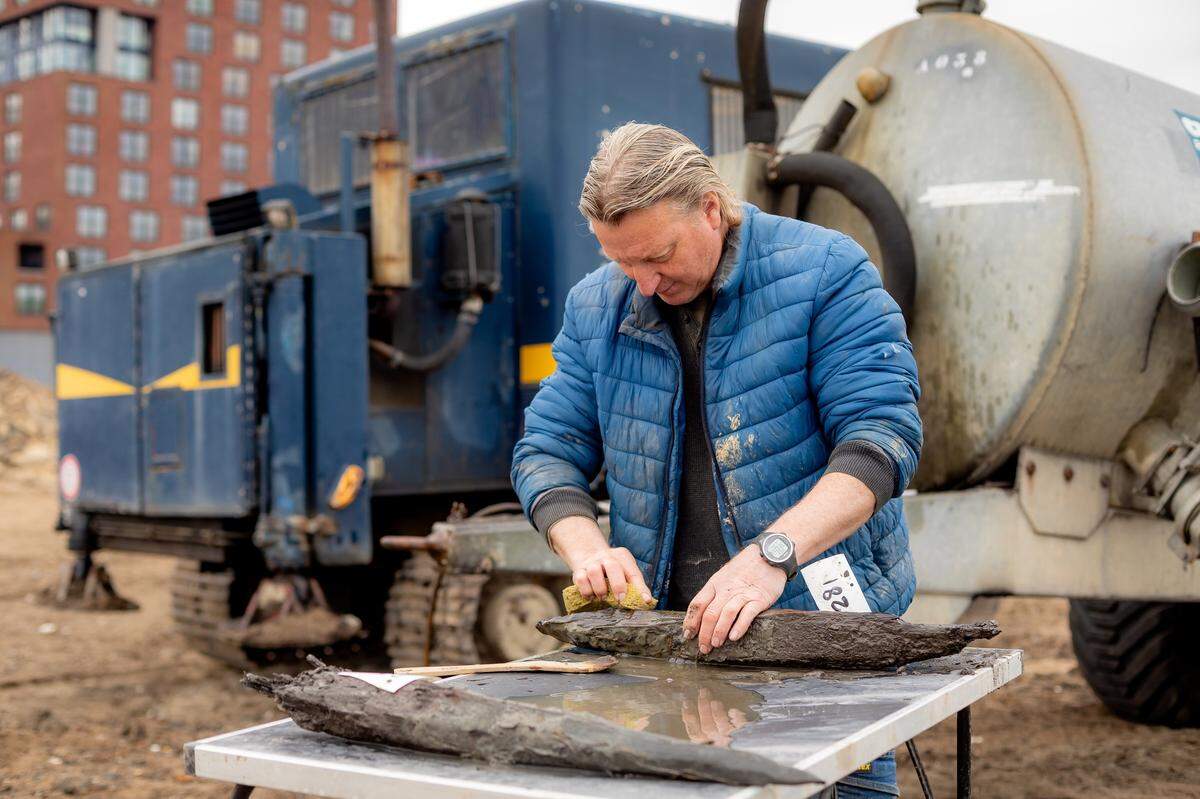
Photos show some of the ancient wooden posts used to build the rerouted road. Wooden artifacts or structures are generally rare finds for archaeologists because the material disintegrates quickly unless preserved in a low-oxygen environment, such as in mud or water.
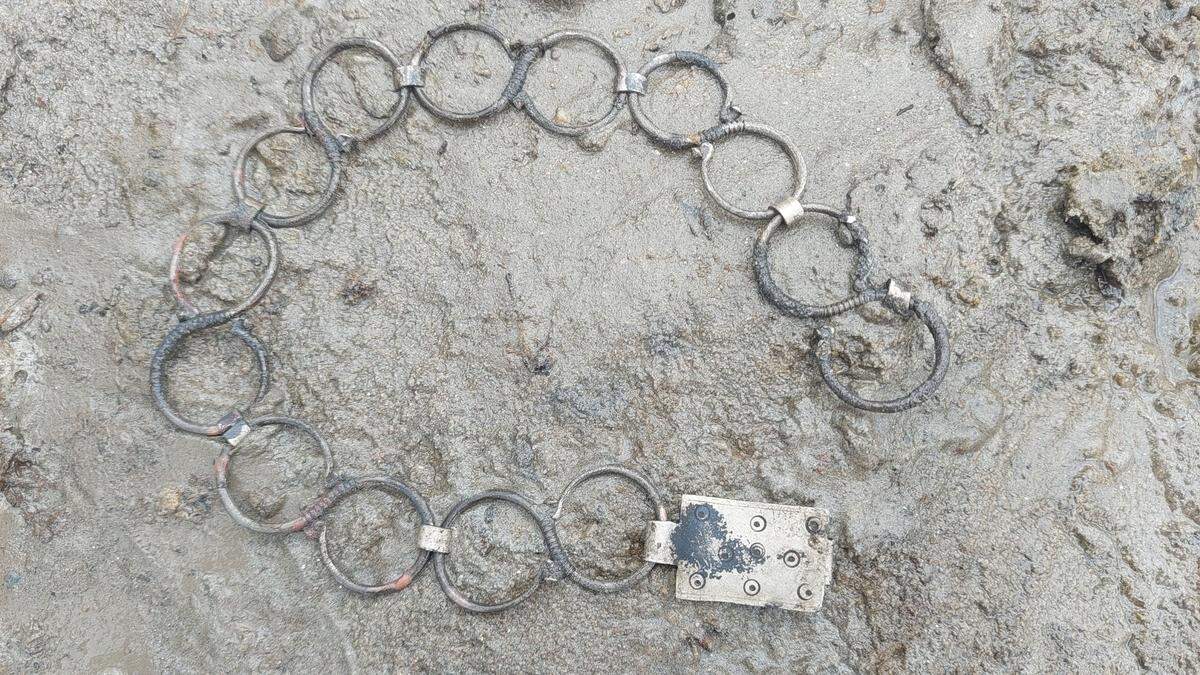
Excavations of the massive crater uncovered several artifacts, such as a silver chain and a belt fitting inlaid with glass, officials said. These treasures were thrown into the hole by ancient Roman passersby as offerings.
Archaeologists did not excavate the largest part of the hole but suspect more treasures may be hidden within.
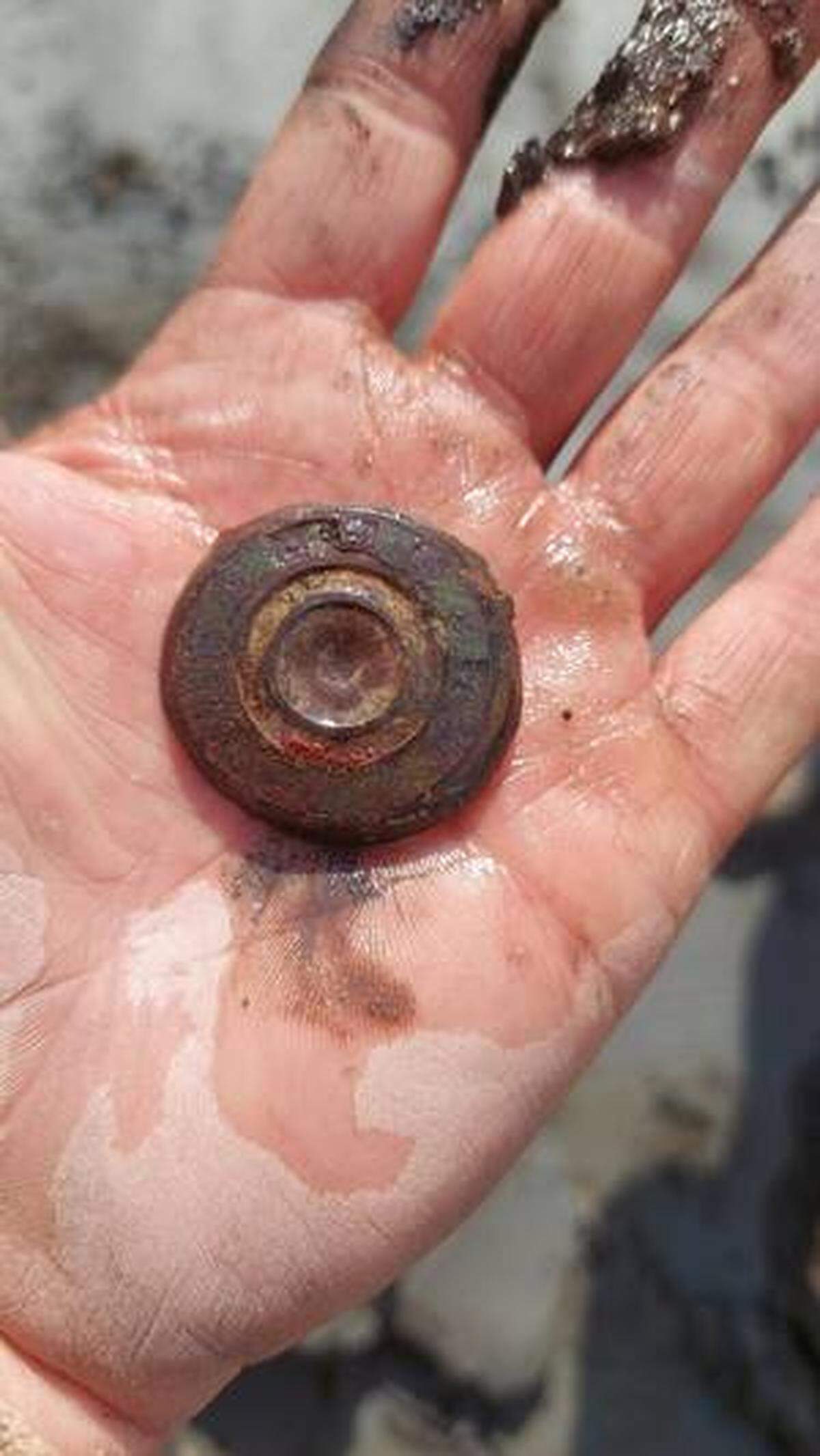
City officials shared photos of the ancient Roman finds in a May 7 Facebook post.
The redevelopment project in downtown Utrecht is ongoing. Utrecht is a city in the central Netherlands and a roughly 25-mile drive south from Amsterdam.
Google Translate was used to translate the news release and Facebook post from the Municipality of Utrecht.
This story was originally published May 8, 2025 at 10:50 AM with the headline "Ancient Romans threw treasures into huge crater left by flood. See what remains."