Ancient ‘ice mummies’ found in Siberia had hidden tattoos. Now, we can see them
.jpg "In the frigid landscape of Siberia, frozen tombs held ice mummies with newly analyzed tattoos.")
Nearly a century ago in the frigid Altai Mountains of southern Siberia, explorers discovered frozen tombs.
They were described as “mounded monuments” with underground chambers “lined with log cabin-like constructions” deep below the surface, according to a study published July 31 in the peer-reviewed journal Antiquity.
Researchers known by the names V. Radlov, M. Gryaznov and S. Rudenko contributed to their discovery and excavations between 1895 and the middle of the 20th century, according to the study.
“Some of these tombs were encased within a permafrost lens, leading to the preservation of a rich assemblage of organic artefacts made from wood, leather, felt and textiles, as well as mummified human bodies,” researchers said.
For decades, researchers have known that the “Pazyryk ice mummies” were decorated with tattoos, but the full extent of their artistic expression was unknown — until now.
The site dates to the early Iron Age, or a little more than 2,000 years ago, according to the study.
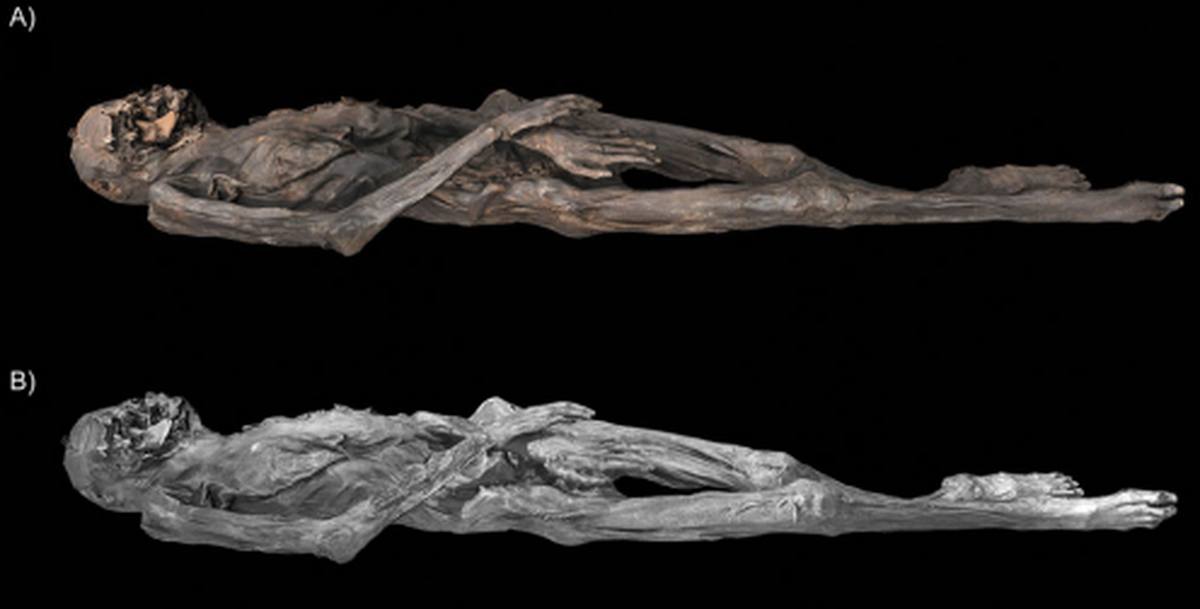
In the past, archaeologists have only been able to see poor-quality, monochrome interpretations of the tattoos on the mummies based on drawings, leaving out both the intricate designs as well as the techniques used to create them, according to the study.
Tattoos were first noticed on the ice mummies on a male from tomb 2 in the 1940s, but no tattoos were identified on the female from the same tomb, or the male or female from tomb 5, according to the study.
New infrared imaging of these bodies now shows that this wasn’t accurate, and all four bodies had been tattooed, researchers said.
The study specifically examined the female mummy found in tomb 5, and a combination of floodlights, digital cameras and near-infrared imaging showed her detailed tattoos for the very first time.
“The tattoos on the body of the female individual from Pazyryk tomb 5 broadly cluster into four regions: left hand, left forearm, right hand and right forearm,” according to the study. “While the images on the hands are mostly simple designs, the most elaborate of which is a rooster on the left thumb, the forearms display some of the most complex Pazyryk tattoos currently identified.”
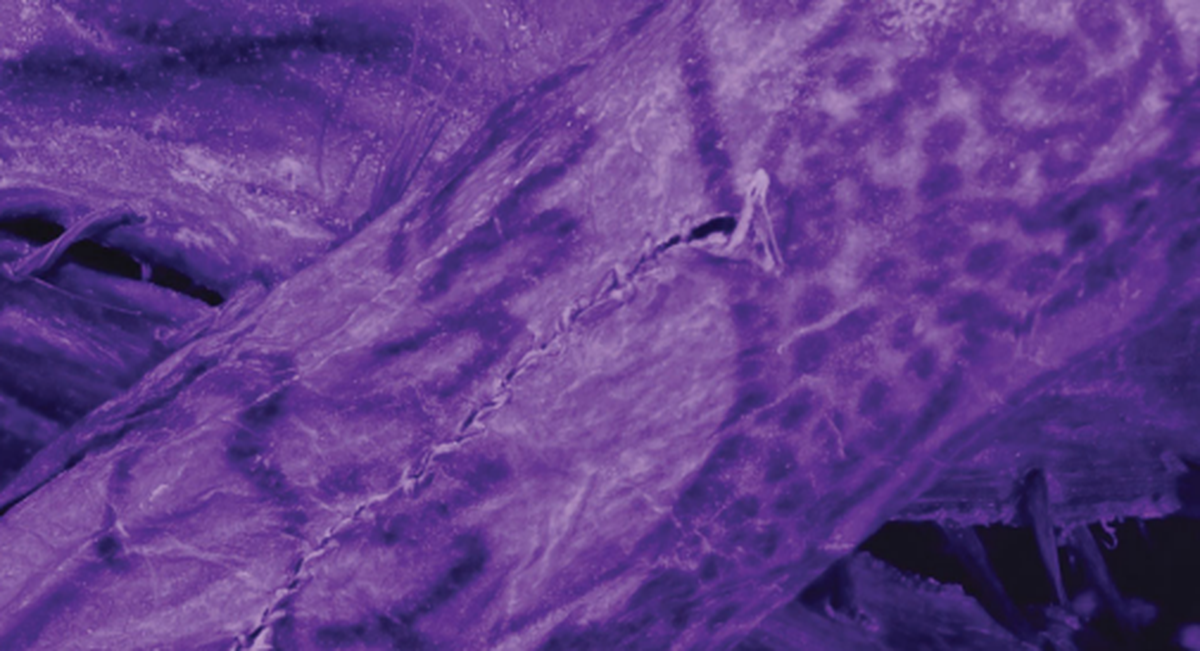
The tattoos showed varying degrees of line thickness, skill and precision, suggesting that multiple kinds of tattoo tools were used, as well as potentially multiple artists, according to the study.
One of the tattoos on the woman’s forearm was likely completed in multiple sessions and uses “clever” placement to utilize the natural contours of the woman’s wrist to “enhance” the animal’s form on the body, researchers said.
“This decision showcases the artist’s expertise while also establishing the central feline as the main focal point of the design,” according to the study. “The tattooist skillfully applied and expanded upon rules of perspective, depicting the heads of the leopard and upper tiger turned to face the viewer.”
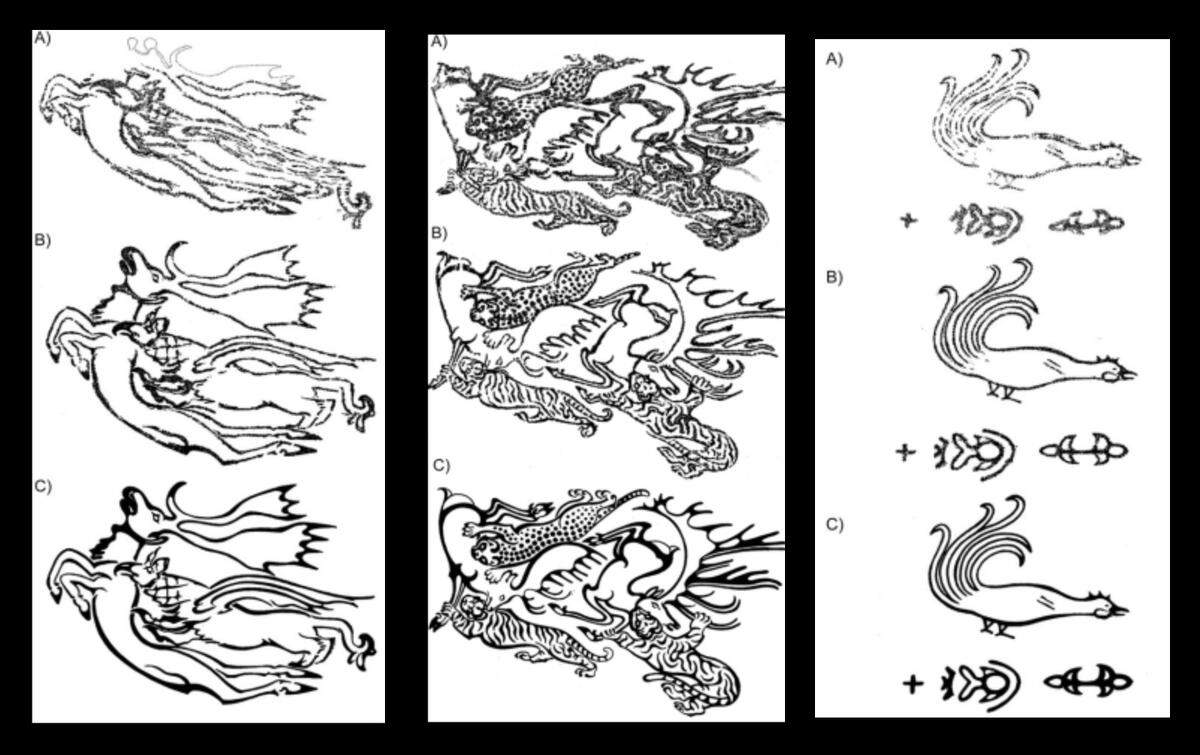
The tattoo on the woman’s right forearm provides evidence of various tool use, researchers said.
“The use of clear parallel lines with negative space, along with the finer details in the hooves, stripes, paws and antler tips, likely required at least two different tool arrangements. The linework is clear and consistent, with nearly double the amount of outlining present on the left forearm,” researchers said. “Achieving such crisp and uniform results, especially with hand-poked methods, would be a challenge even for contemporary tattooists using modern equipment.”
Some gold tattoo needles have been found at the frozen tomb sites, but researchers haven’t discovered tools with multiple needles that could have been used to create these more complex images, according to the study. The exact process for these images, therefore, remains a mystery.
The new images of the mummy also helped researchers better understand the ancient people’s cultural relationship with tattoos because cut marks made while preparing the body for burial went directly through some of the tattoos.
“The global cross-cultural sample of indigenous and historic tattooing traditions includes multiple examples of belief systems wherein the presence of intact tattoos was critical in the spiritual transition to the afterlife,” according to the study. “The apparent disregard for preserving tattoo designs during Pazyryk burial preparation suggests that the social or spiritual function of the marks ended with the death of the individual. We thus posit that the tattoos of the Pazyryk people were intricately tied to the world of the living and had limited relevance in a burial context.”
The site is located in modern-day central Russia.
The research team includes Gino Caspari, Aaron Deter-Wolf, Daniel Riday, Mikhail Vavulin and Svetlana Pankova.
This story was originally published July 31, 2025 at 4:54 PM with the headline "Ancient ‘ice mummies’ found in Siberia had hidden tattoos. Now, we can see them."