Ancient ‘fairy houses’ — still filled with treasures — found in Italy. See them
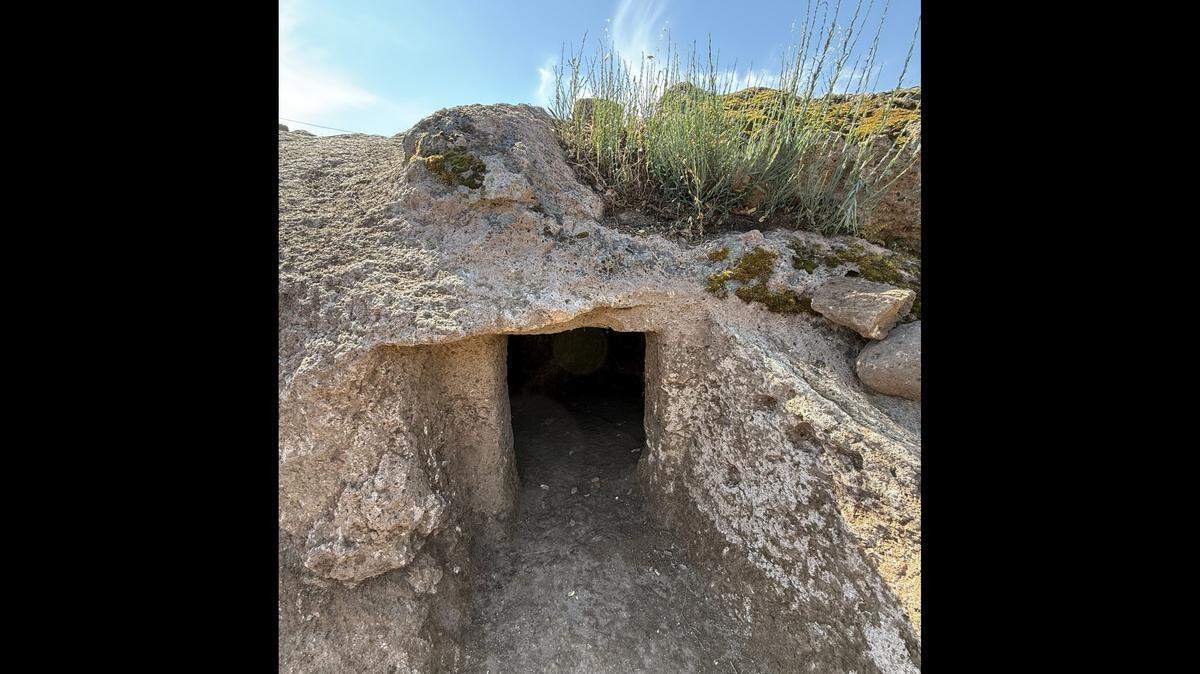
In the rocky landscape of Sardinia, Italy, sat a trio of ancient “fairy houses.” Archaeologists had spent almost 200 years excavating and studying the area, but these small, underground structures went overlooked — until now.
A team of archaeologists began work at the Necropolis of Saint Andrea Priu, a site on Sardinia island with a mixture of ruins from prehistoric times until the Early Middle Ages, as part of an ongoing project to excavate, restore and generally improve the complex, the Regional Secretariat of the Ministry of Culture for Sardinia said in a July 29 news release.
While working on a rocky plateau, archaeologists noticed something in between two exposed tombs. Something about the landscape suggested it might hide an unexplored structure, officials said.
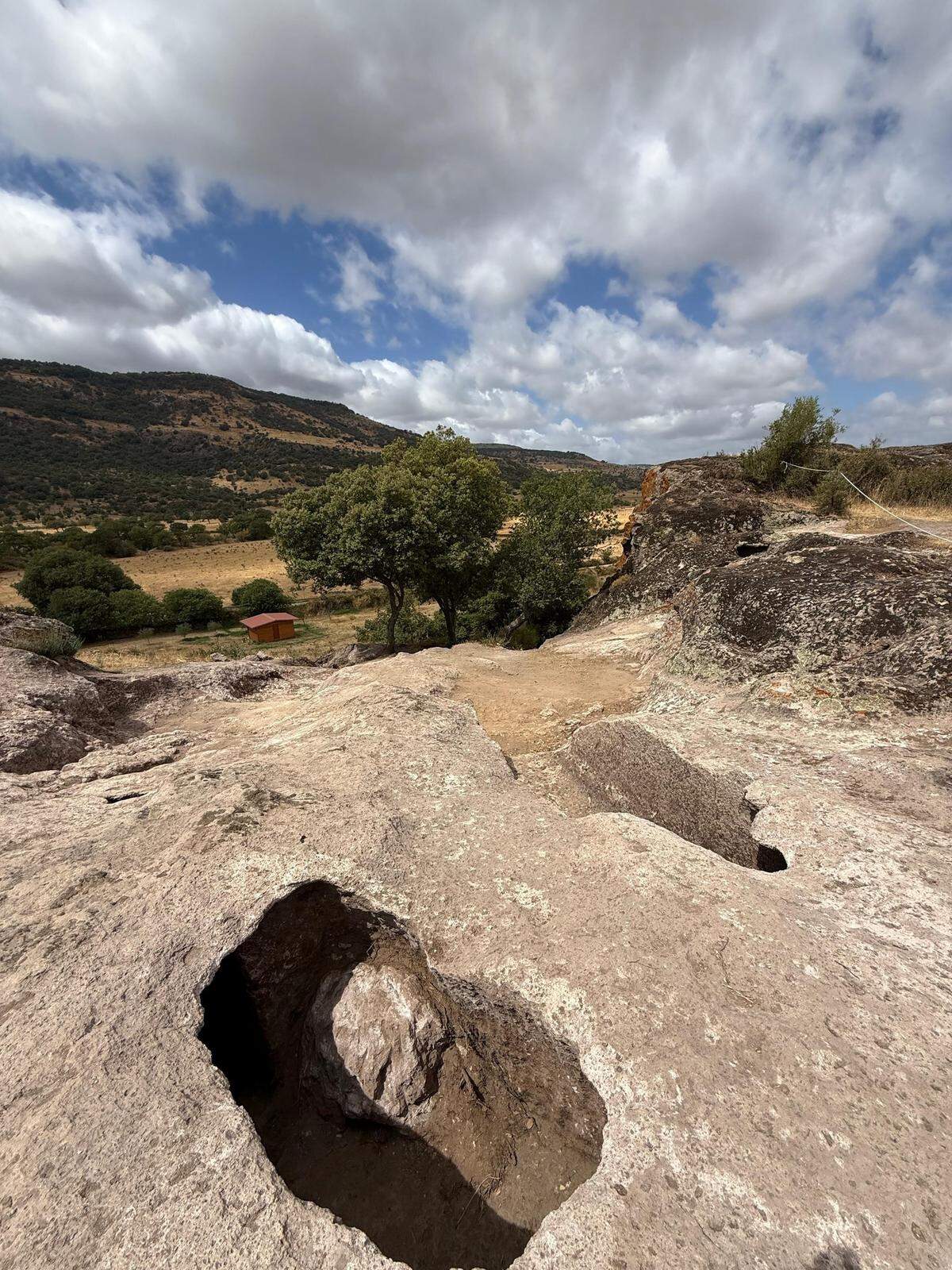
Archaeologists began digging, and what reemerged surpassed their expectations: They found three domus de janas.
“Legend has it that the Janas were small fairies who lived in tiny houses carved into the rock, called Domus de Janas, or fairy houses,” according to the Italian Ministry of Tourism. “Some say that fairies used to spend their time weaving on their magnificent golden looms and watching over the children’s sleep. Some say they lavished their riches on those who deserved it, there are those who swear they saw them in person playing or fighting with other fantastic creatures such as elves and goblins.”
In reality, domus de janas are small “rock-cut tombs” carved between 5,000 and 7,000 years ago “that reflect the funerary practices, spiritual beliefs, and social evolution of Sardinia’s prehistoric communities,” according to UNESCO World Heritage Convention. These underground burials “feature complex layouts, symbolic decorations, and figurative motifs.”
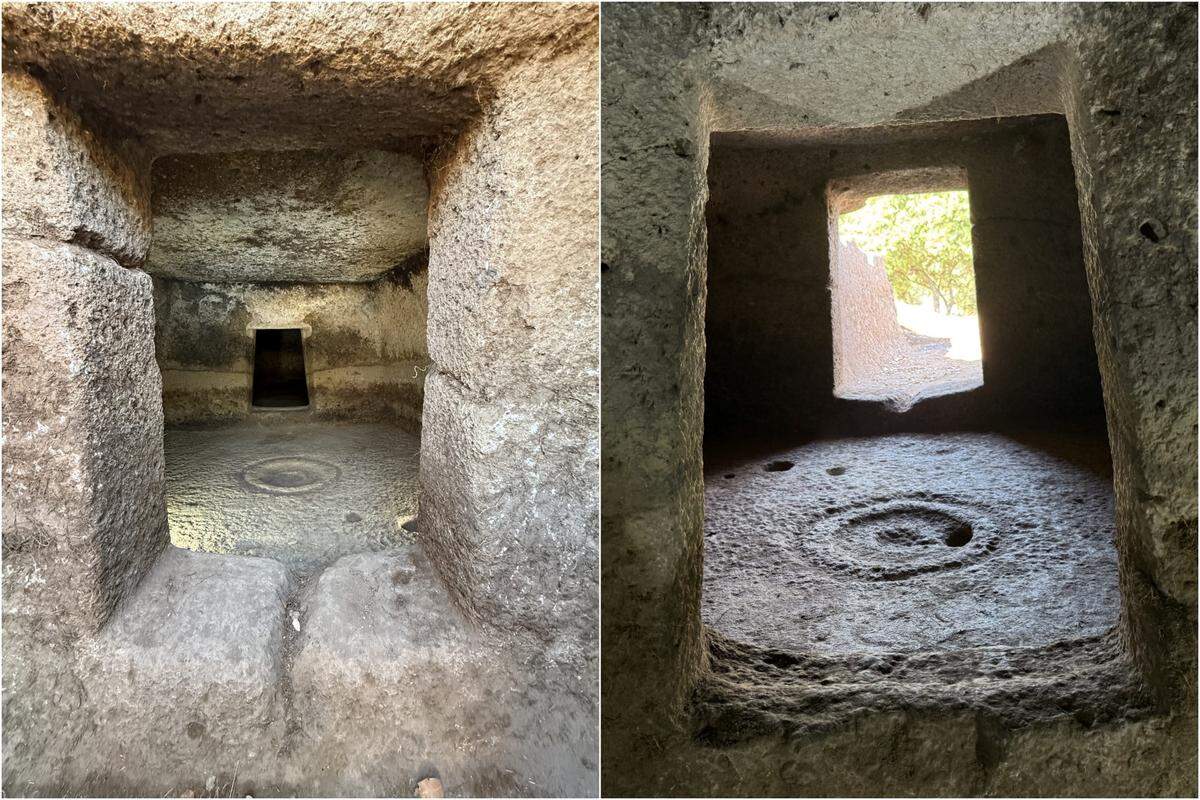
Archaeologists named the three newly uncovered “fairy houses” Tomb XVIII, XIX and XX, officials said. The exact size of the tombs was not provided but, based on photos from the excavation, the structures are roughly child-sized.
Tomb XVIII has a corridor-like entrance leading to a rectangular chamber with a hearth, depicted as two concentric circles, archaeologists said. The rectangular chamber connects to two more chambers. Around the tomb entrance, excavations found pickaxes, obsidian fragments and a spindle.
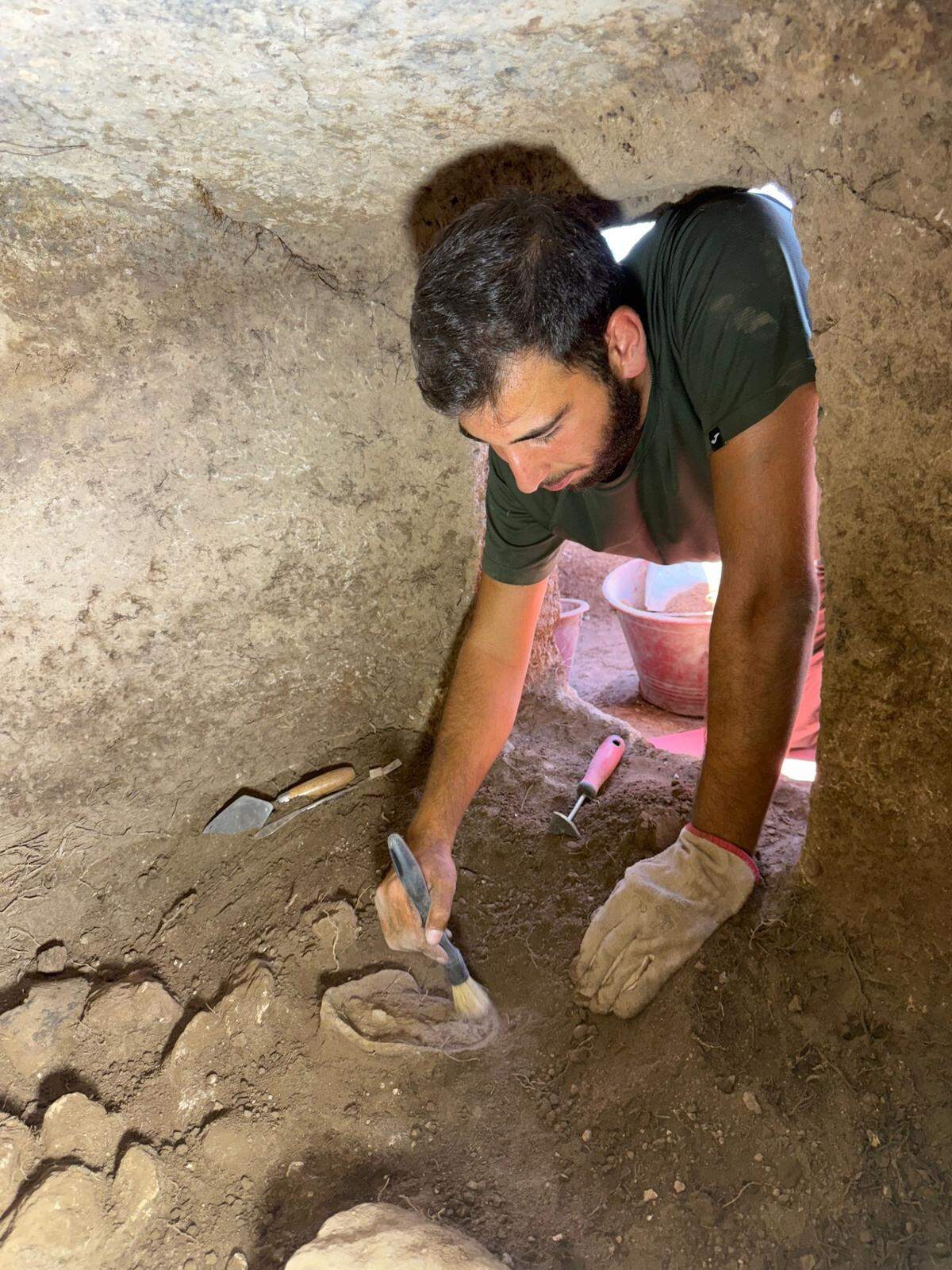
Tomb XIX is the smallest of the three domus de janas, officials said. It has an external pavilion structure, a central rectangular chamber and a secondary rounded chamber. Inside, archaeologists found a miniature vase and other pottery.
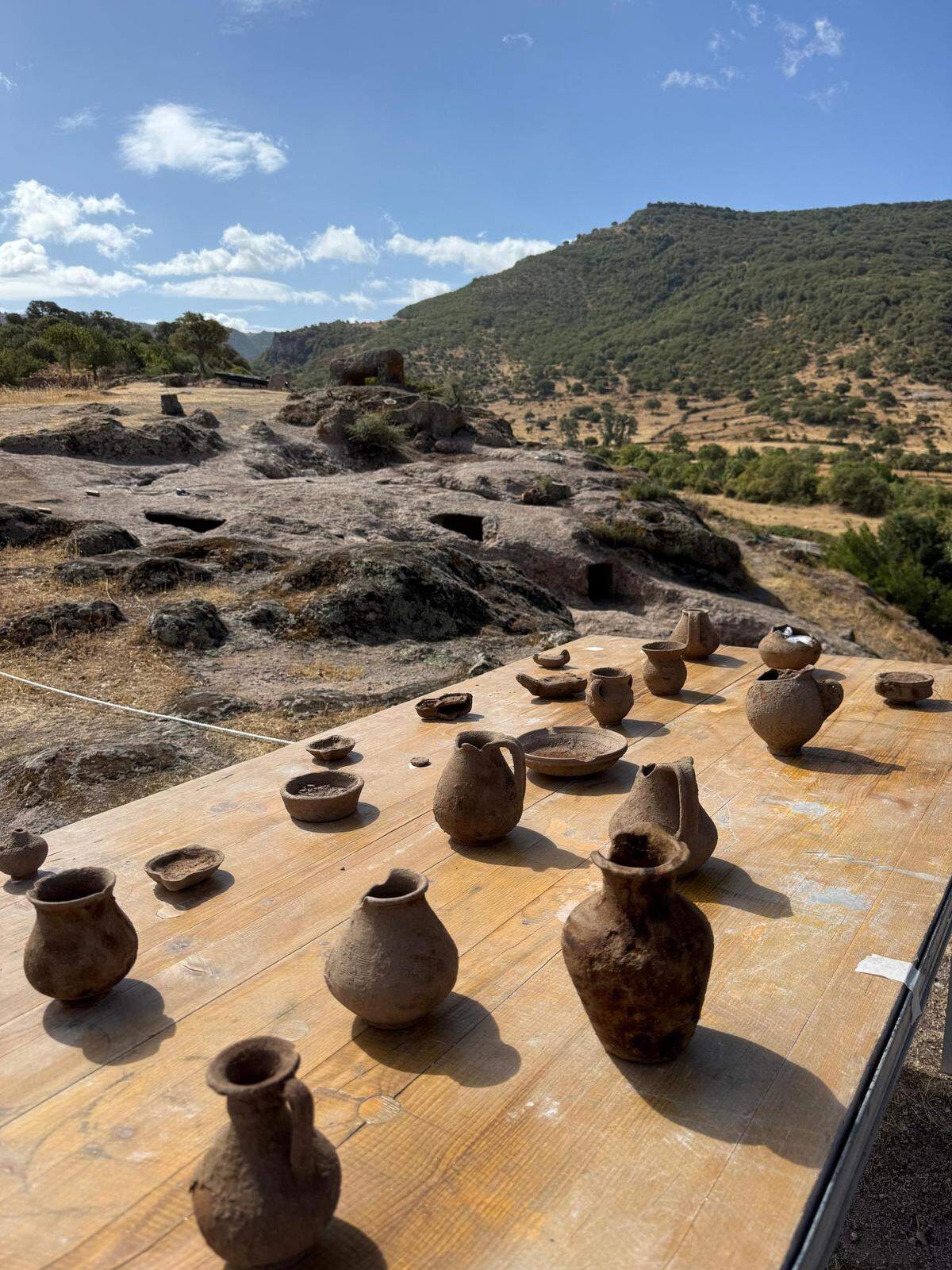
Tomb XX is the most complex of the three and has seven chambers, archaeologists said. One chamber still had some decorative paint, while the others had over 30 Roman-era artifacts such as jugs, plates and lamps.
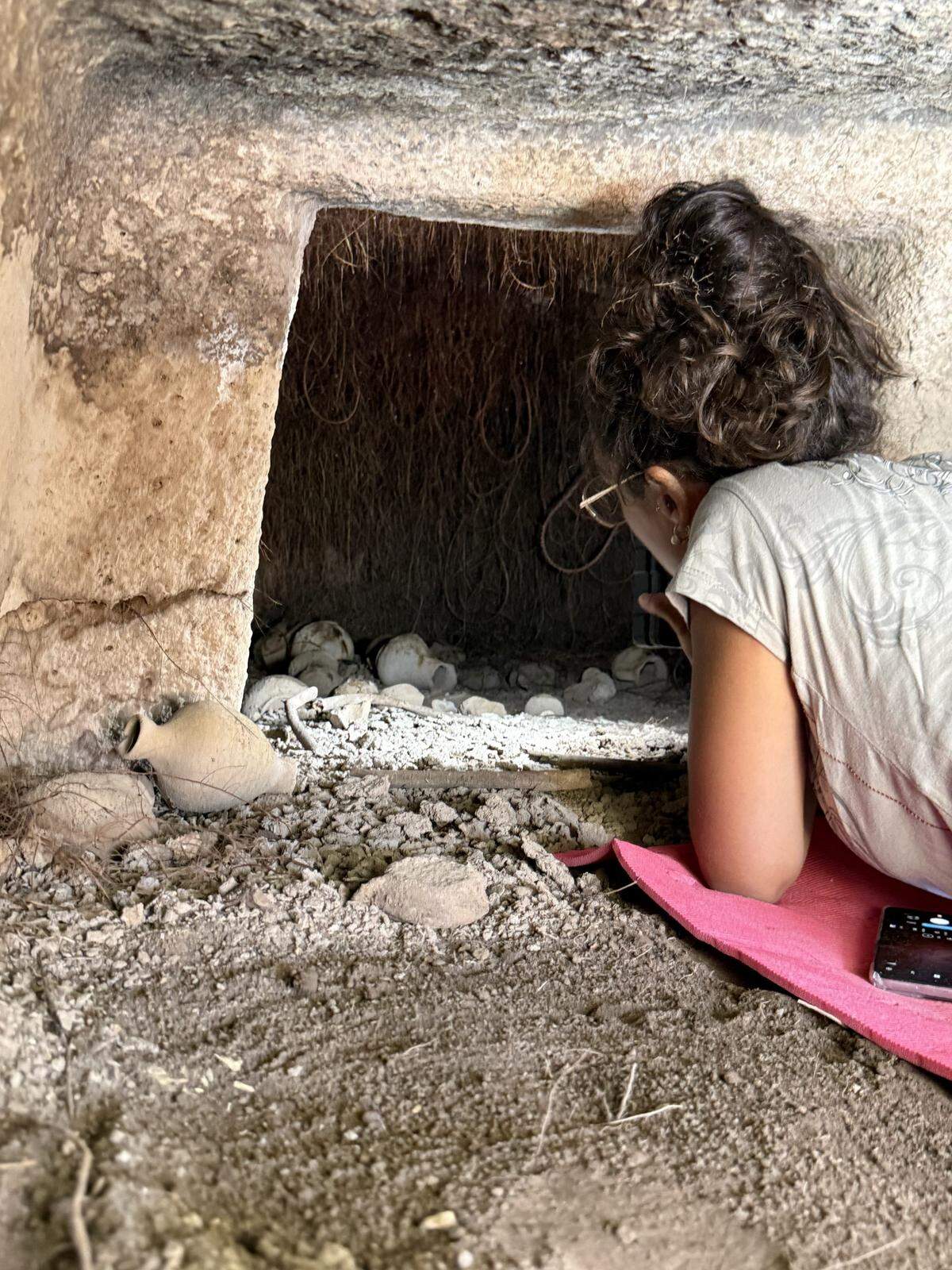
Officials shared photos of these ancient Roman-era artifacts in a July 28 Facebook post.
Archaeologists did not provide exact ages for the newly uncovered “fairy houses” but said these types of structures are generally prehistoric and over 5,000 years old.
Tombs XVIII, XIX and XX are already accessible to visitors at the Necropolis of Saint Andrea Priu, and other excavation work is ongoing, officials said.
The Necropolis of Saint Andrea Priu is in central Sardinia, an island off the western coast of Italy and in the Mediterranean Sea.
Google Translate was used to translate the news release and Facebook post from the Regional Secretariat of the Ministry of Culture for Sardinia.
This story was originally published August 5, 2025 at 9:49 AM with the headline "Ancient ‘fairy houses’ — still filled with treasures — found in Italy. See them."