Melting ice reveals fragments of ‘extraordinary’ Viking cargo net in Norway
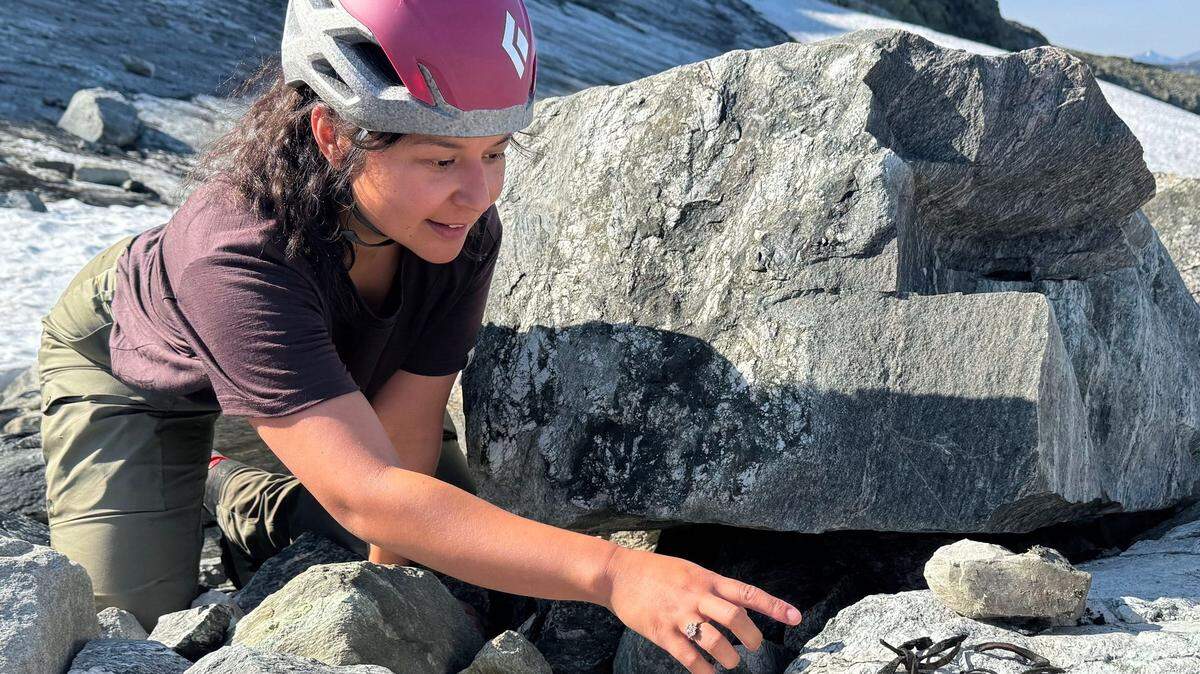
As the late summer sun beat down on a national park in Norway, archaeologists trekked across the glacial landscape, scouring the surfaces exposed by melting ice. Something tucked between the rocks caught their attention.
They carefully pulled the items out — and realized they’d found part of a Viking cargo net.
Two teams of archaeologists headed into Jotunheimen National Park in mid-August as part of an annual project to systematically survey the area’s melting glaciers for ancient artifacts, Secrets of the Ice wrote in an Aug. 18 Facebook post.
“We last worked here back in 2012, but heavy snow kept our finds to a minimum then,” the group said. “Still, we know the area contains exciting finds… This year, with lighter snow, we are hopeful for more discoveries!”
The expedition’s first stop was a site where, in 2011, “our colleague Jostein Bergstøl made an unbelievable discovery: the only known Viking Age packhorse net,” or cargo net, the group said in another Facebook post. They hoped more sections of the net had melted out of the ice.
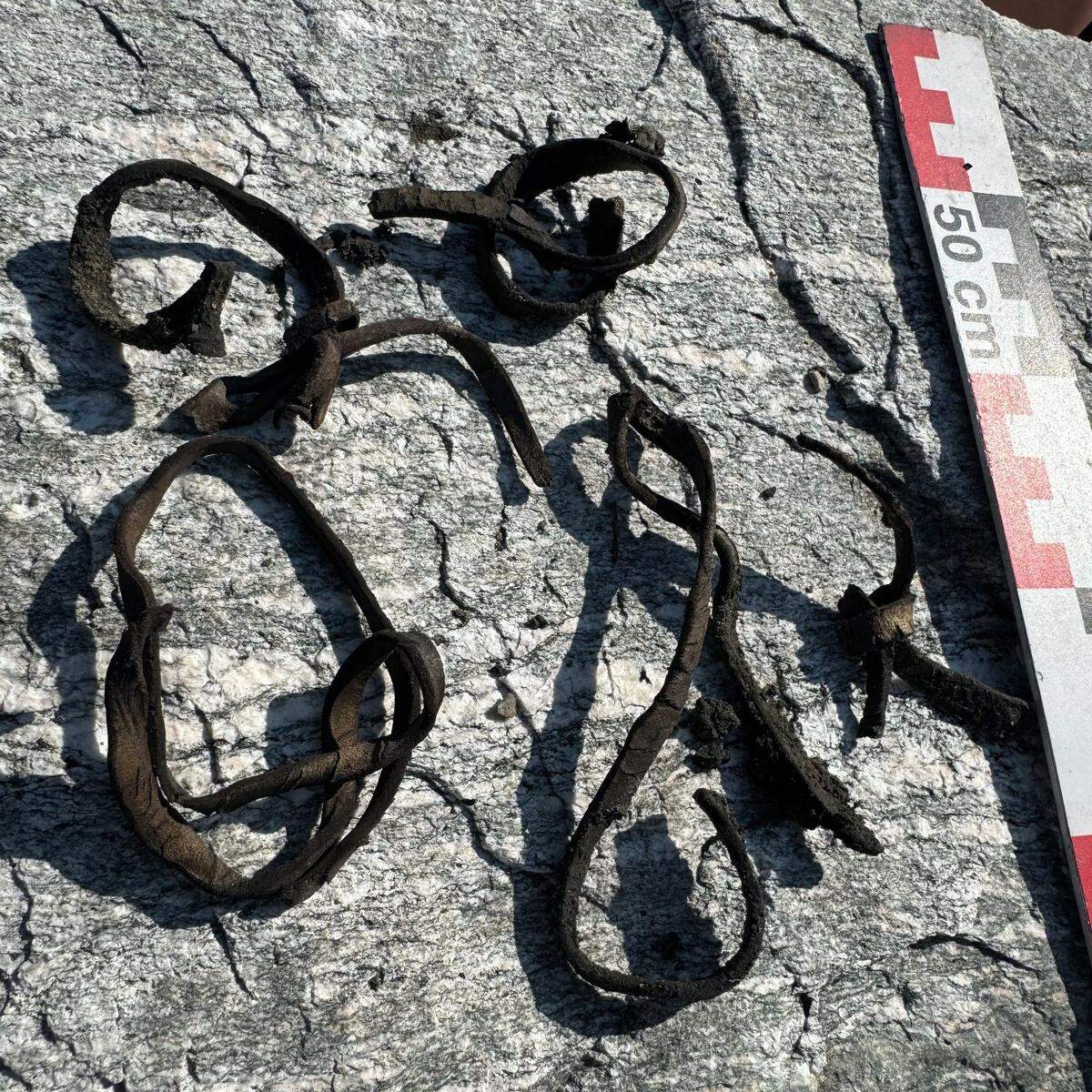
Sure enough, archaeologists found several leather fragments tucked amid the rocks and identified them as “more pieces of the world’s only Viking Age packhorse net.”
A photo shows the leather loops of the net. Some fragments have knots. All of them look worn but relatively well-preserved.
Generally, artifacts made from leather, wood or fabric are rare finds for archaeologists because these organic materials disintegrate quickly in most environments. Glaciers, waterways and mud are exceptions to the norm. In these low-oxygen environments, delicate artifacts are much more likely to be preserved and only begin to deteriorate after being reexposed to the air.
“The Viking Age packhorse net is a unique find — nothing like it has ever been recovered elsewhere in the Viking world,” Lars Holger Pilø, the project’s co-director, told McClatchy News via email.
“Similar nets were used in recent times here in Norway, so we know its purpose: It would have contained goods and been strapped on to a packhorse for transport,” Secrets of the Ice wrote in a 2023 Facebook post. Photos show the roughly 1,000-year-old cargo net found in 2011.
“The newly discovered net fragments were found at the same site and are very similar to the pieces recovered earlier,” Pilø said. “They almost certainly belong to the same Viking Age packhorse net.”
“Since we knew the original discovery was incomplete, every additional fragment we can rescue brings us closer to fully reconstructing this extraordinary artefact.” Pilø said.
“We could not be more excited – history is literally unfolding before our eyes,” Secrets of the Ice said.
Archaeological surveys at Jotunheimen National Park are ongoing. The park is in southern Norway and a roughly 160-mile drive northwest from Oslo.
This story was originally published August 19, 2025 at 4:22 PM with the headline "Melting ice reveals fragments of ‘extraordinary’ Viking cargo net in Norway."